What is a draining effect, and why is it essential?
The draining effect refers to the body’s ability—or that of the substances that support it—to stimulate the elimination of stagnant fluids, metabolic waste, and toxins accumulated in the tissues. It primarily involves the lymphatic system, the venous system, and the emunctory organs (liver, kidneys, and intestines). Its visible effects include reduced swelling, relief from heavy legs, and a reduction in the sensation of general heaviness, as well as improved complexion and skinhydration. Effective drainage also supports the immune system (via lymphatic circulation) and effectively complements weight-loss efforts by reducing excess fluid retention.
What are the signs of insufficient drainage?
Several telltale symptoms indicate that drainage is compromised:
- Heavy legs and swollen ankles at the end of the day.
- Swelling in the hands upon waking or a general feeling of bloating.
- Orange-peel skin or worsened cellulite linked to lymphatic stasis.
- Persistent fatigue with no obvious cause.
- A tendency toward recurrent infections.
- Appearance or worsening of varicose veins.
These signs may indicate venous insufficiency, an unbalanced diet (excess salt), a lack of physical activity, or lymphatic dysfunction. A medical evaluation can rule out any underlying medical causes.
Which foods and herbs promote drainage?
Certain foods naturally support drainage function through their diuretic and detoxifying properties:
- Parsley, celery, asparagus: natural diuretics rich in flavonoids that stimulate kidney filtration and reduce fluid retention.
- Pineapple (bromelain): an anti-inflammatory enzyme that improves drainage of post-traumatic and post-surgical edema.
- Meadowsweet: a plant rich in natural salicylates with diuretic and anti-inflammatory properties, traditionally used for water retention and inflammatory joint pain.
- Green tea, birch, dandelion: versatile diuretic plants that support both kidney and liver function, ideal for seasonal treatments.
- Reduce salt intake to less than 5 g/day: the most effective dietary measure against fluid retention—each gram of sodium retains approximately 10 grams of water in the tissues.
How does aromatherapy support the draining effect?
Certain essential oils are known for their drainage and decongestant properties:
- Cypress: a veinotonic and lymphotonic agent, it reduces edema and improves venous return—particularly suitable for heavy legs and varicose veins.
- Juniper: a diuretic and renal purifier, it stimulates the elimination of waste through urine. Contraindicated during pregnancy and in cases of kidney failure.
- Grapefruit: With lymphatic-draining and lipolytic properties, it is used in anti-cellulite massages to reduce the appearance of orange peel skin.
These oils are used in massage, diluted to 2–3% in a vegetable oil (jojoba, sweet almond), and applied toward the lymph nodes. A preliminary skin test is essential.
How can you incorporate drainage into your daily routine?
An effective drainage program is based on simple, regular habits:
- Drink 1.5 to 2 L of water per day—paradoxically, hydration is the foundation of drainage, as water dilutes retained sodium and facilitates its elimination through the kidneys.
- Engage in 30 minutes of cardiovascular activity daily (walking, swimming, cycling)—muscle pump action is the main driver of the lymphatic system.
- Elevate your legs for 15 to 20 minutes in the evening to promote lymphatic and venous return.
- Perform self-massage to promote drainage, working toward the lymph nodes from the bottom to the top of the limbs.
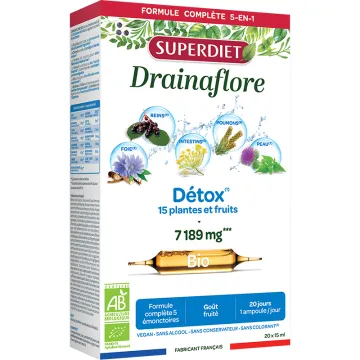
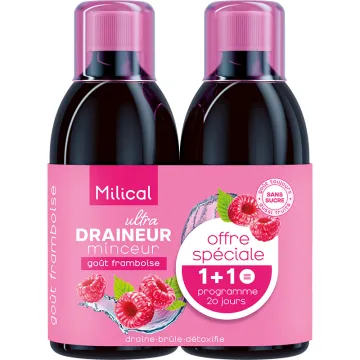
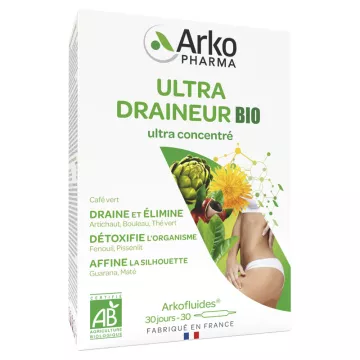
- Undergo two courses of herbal drainage treatments per year, lasting 3 to 4 weeks, at the change of seasons (spring and fall).
If symptoms persist despite these measures, a medical consultation is necessary to assess venous, lymphatic, and renal function and adjust treatment accordingly.