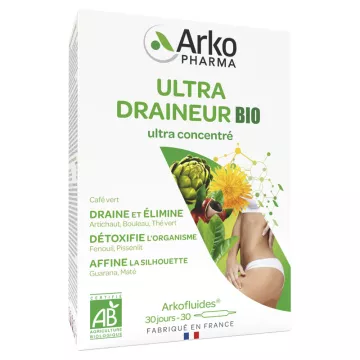
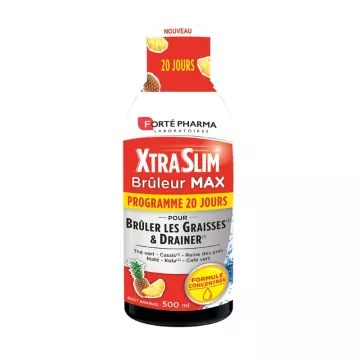
What is a diuretic, and how does it affect the body?
A drainage supplement is a dietary supplement formulated to stimulate the body’s natural elimination of toxins and excess water from the tissues. It works primarily through two mechanisms: a diuretic effect (increased urine output) and a liver and lymphatic drainage effect (stimulation of bile production, improved fluid circulation). Drainage supplements are used to reduce water retention, relieve heaviness in the lower limbs, support a weight-loss regimen, and speed up elimination after a period of overeating. They do not cause direct weight loss but reduce water accumulated in the tissues and optimize elimination pathways, thereby supporting the function of other excretory organs.
What active ingredients should you look for in an effective diuretic?
The most well-documented formulas combine several plants with complementary properties:
- Cherry stems and orthosiphon: among the best-studied diuretics, effective for renal elimination and uric acid.
- Dandelion (root): supports liver and gallbladder function and acts as a diuretic; rich in potassium—compensates for mineral losses associated with the diuretic effect.
- Fucus: a seaweed that stimulates metabolism, supports thyroid function (a natural source of iodine), and promotes intestinal transit.
- Hawkweed: A powerful diuretic plant, particularly effective for generalized water retention and edema of the lower limbs.
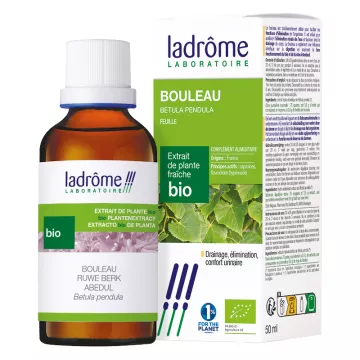
- Birch sap, red vine, artichoke: complementary drainage agents targeting the renal, venous, and hepatic systems for a comprehensive effect.
Multifunctional combination formulas—kidney + liver + venous—offer the best results for people experiencing both water retention and heavy legs. The presence of potassium or potassium-rich plants (dandelion, stinging nettle) in the formula ensures electrolyte balance during prolonged treatment.
How should a drainage supplement be used, and what treatment duration is recommended?
A drainage treatment must follow a specific protocol to be effective and safe:
- Standard duration: 3 to 6 weeks, no longer, to avoid dependence on the diuretic effects and the risk of electrolyte imbalance.
- Break between treatment courses: at least 4 weeks to allow the body to function independently.
- Increased hydration: Drink 2 to 2.5 L of water per day during the treatment—diuretics increase fluid loss.
- Low-sodium diet: Sodium counteracts the diuretic effect by promoting fluid retention.
Combining a diuretic with a weight-loss program improves comfort (by reducing edema) and may facilitate weight loss by reducing fluid retention, though it should not replace a balanced diet.
Who can use a diuretic supplement, and what are the contraindications?
Drainage supplements have several important contraindications:
- Kidney failure: increased stimulation of renal filtration can worsen the condition.
- Heart failure: fluctuations in fluid volume can destabilize cardiac balance.
- Pregnancy and breastfeeding: Most diuretic herbs are not recommended.
- Diuretic or antihypertensive medications: risk of interactions and hypotension.
- Kidney stones: Depending on the type of stone, certain herbs (containing oxalates) may worsen the condition.
Medical advice is essential before starting any treatment, especially for people on long-term medication.
How can you optimize the results of a detox regimen?
A detox regimen alone produces limited effects without a healthy lifestyle:
- Regular physical activity: Calf muscle contractions are the best natural lymphatic pump for relieving heavy legs.
- A diet low in salt and rich in potassium (bananas, legumes, avocados).
- Elevate your legs in the evening to facilitate lymphatic drainage.
- Incorporate it into a comprehensive weight management plan—drainage alone does not resolve excess weight.