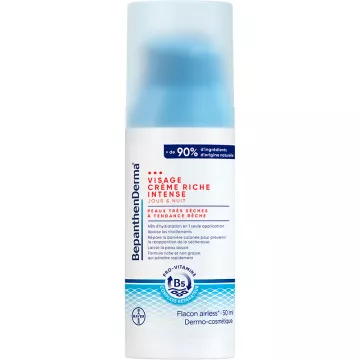
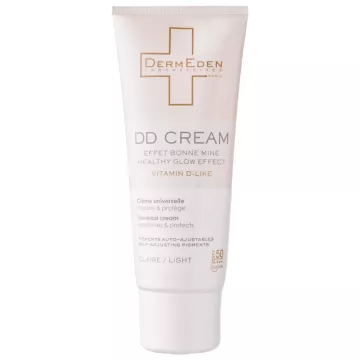
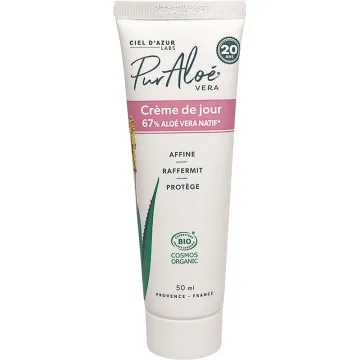
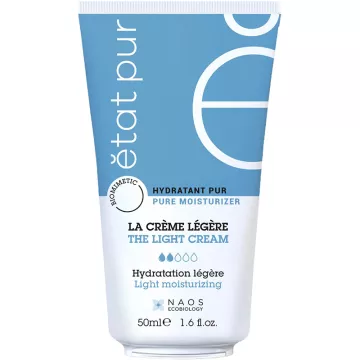
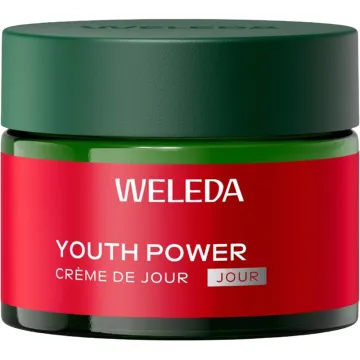
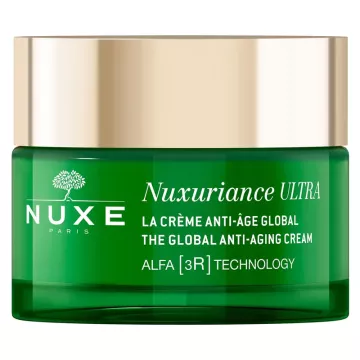
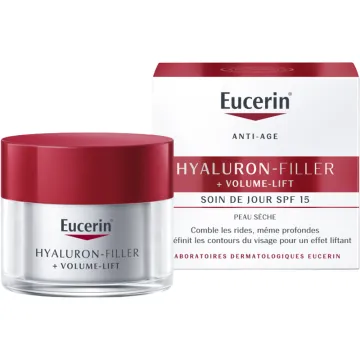
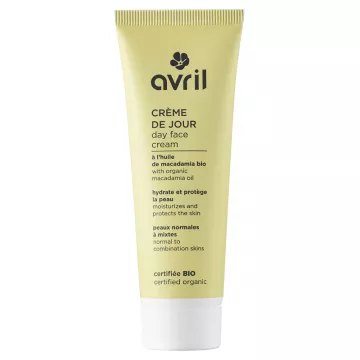
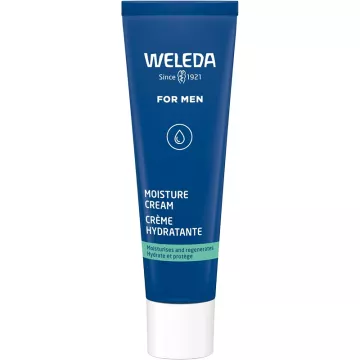
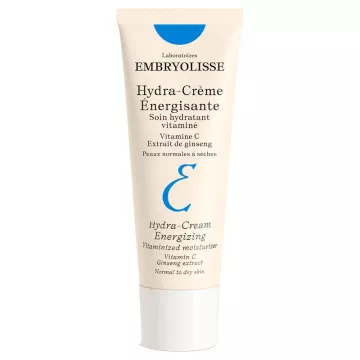
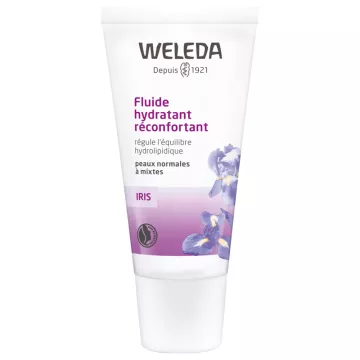
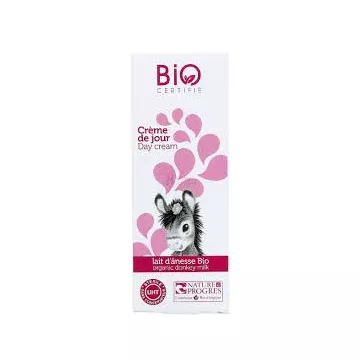
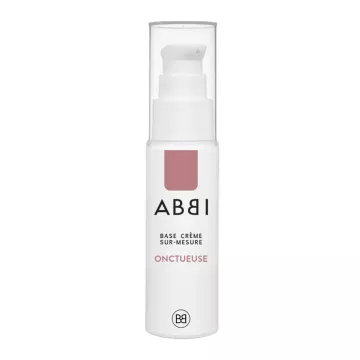
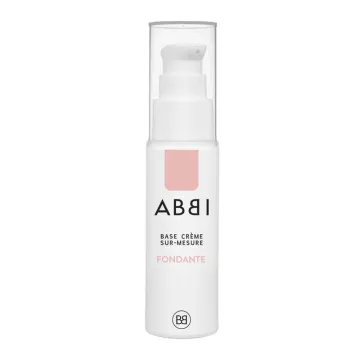
A day cream is a cosmetic product designed to moisturize, protect, and nourish the skin during the day.
It contains active ingredients suited for daytime use: antioxidants, vitamins, moisturizing agents, and sometimes a built-in sun protection factor (SPF) to shield against environmental aggressors.
Its main role is to defend the skin against free radicals generated by pollution, oxidative stress, and exposure to environmental UV rays.
Daily use helps preserve the skin’s elasticity, suppleness, and natural radiance; to explore our selection, browse our day cream section.
Choosing a day cream depends directly on your skin type and its needs:
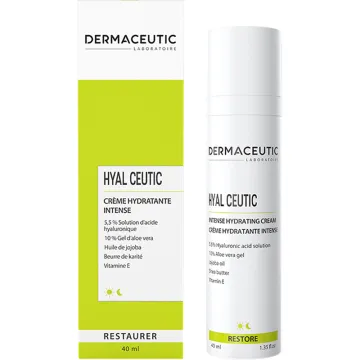
For dry skin, opt for creams rich in moisturizing agents such ashyaluronic acid, shea butter, or ceramides, which help restore the skin’s barrier.
Oily skin will benefit from lightweight, non-comedogenic formulas (gel-creams, lotions) with a mattifying finish that hydrate without feeling heavy.
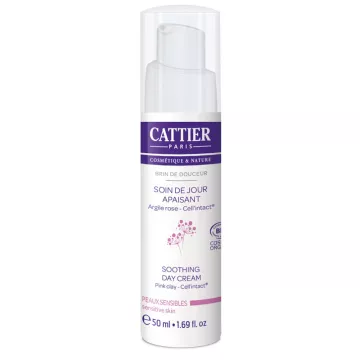
For sensitive skin, look for fragrance- and alcohol-free products enriched with soothing ingredients like aloe vera or chamomile; also explore our sensitive skin section.
An effective day cream combines several families of active ingredients with complementary functions:
Antioxidants (vitamin C, vitamin E, polyphenols) neutralize free radicals and support cell regeneration.
Sun filters (zinc oxide and titanium dioxide for mineral-based filters; octocrylene and avobenzone for chemical-based filters) protect against UV rays; they complement but do not replace a proper sunscreen during prolonged sun exposure.
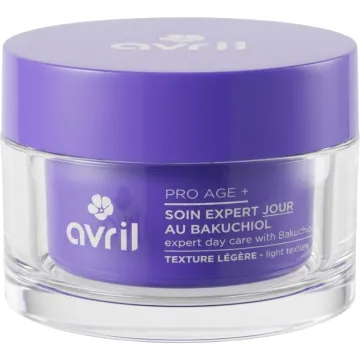
Retinol, with its anti-aging properties, accelerates cell renewal; it makes the skin more sensitive to light and is best applied in the evening, or in a daytime formula provided it is combined with an SPF of at least 30.
Proper application of a day cream directly affects its protective effectiveness:
Regular use of a day cream provides cumulative benefits for the health and appearance of the skin:
Gradual improvement in skin hydration, texture, and suppleness over the course of several weeks.
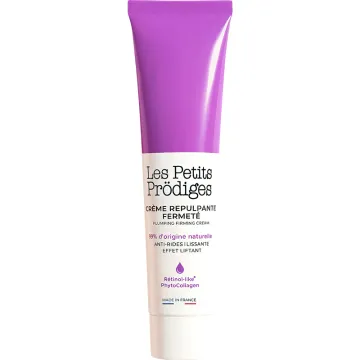
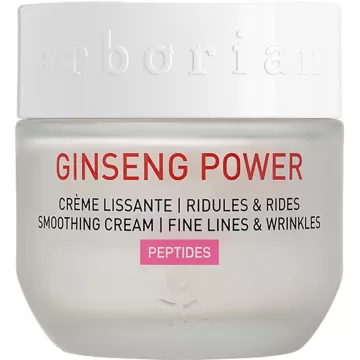
Visible reduction in wrinkles and fine lines thanks to anti-aging active ingredients (retinol, peptides, vitamin E) included in certain formulas.
Daily protection against environmental UV rays and free radicals, which helps prevent premature aging and the formation of dark spots over the long term; complement your routine with our anti-aging skincare line.
Day and night creams serve two very distinct cosmetic purposes.
Day creams protect the skin from environmental factors (pollution, UV rays, wind) and have a lightweight texture that works well under makeup.
Night creams are richer, contain higher concentrations of targeted active ingredients (retinoids, peptides, ceramides), and support cellular regeneration, which intensifies during sleep.
The two products are perfectly complementary: use a day cream in the morning (with SPF) and a night cream as part of your evening skincare routine to optimize skin repair.
Regular use of a day cream significantly helps prevent skin aging.
The sunscreens and antioxidants in the formula protect the skin from oxidative stress and UV damage, the leading causes of premature aging.
Daily application of a cream containing these active ingredients helps minimize the formation of wrinkles, fine lines, and age spots over time.
For optimal protection, also browse our sun protection section and complement your routine with a true SPF 30 or 50 sunscreen, depending on your level of sun exposure.
Apply day cream every morning as part of a consistent daily routine.
The recommended amount: a pea-sized amount is enough to cover the face and neck evenly.
Using too much can leave a greasy feeling and interfere with makeup application; using too little won’t provide even protection.
Apply using upward strokes across the entire face and neck to promote optimal absorption and stimulate microcirculation.
The environment and the season directly influence the choice of a suitable day cream.
In hot, humid climates, a lightweight gel texture or one with mattifying properties helps control excess sebum and skin shine.
In cold, dry climates, a richer, emollient formula protects the skin from dry winds, cold temperatures, and the contrast with indoor heating.
During the summer months, a day cream with a high SPF and concentrated antioxidants provides effective protection against increased UV exposure.
Even oily or acne-prone skin benefits greatly from a day cream tailored to its specific needs.
Paradoxically, a lack of hydration triggers compensatory sebum overproduction, which exacerbates shine and blemishes.
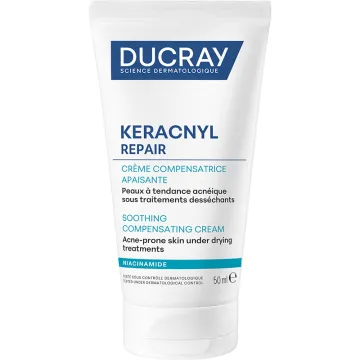
Opt for non-comedogenic, oil-free formulas that contain hyaluronic acid for hydration and niacinamide to regulate sebum and soothe redness.
If you havemoderate to severe acne, consult a dermatologist to tailor your skincare routine to any medical treatment you may be receiving (which may include retinoids or topical antibiotics).