What exactly is a cut?
A cut is a wound caused by a sharp object (blade, glass, paper, metal) that cleanly severs the skin, usually with smooth, even edges. It is thus distinct from an abrasion (superficial rubbing) or a laceration (tearing). Depending on the depth, cuts are classified as superficial (affecting only the epidermis), moderately deep cuts (the dermis is affected, with more significant bleeding), and deep cuts (involving subcutaneous tissue, muscle, or a tendon—situations that require immediate medical attention). Quickly determining the severity guides the entire course of treatment.
What steps should you take in an emergency?
The first-aid sequence:
- Wash your hands thoroughly before touching the wound;
- Apply firm pressure to the area with a sterile gauze pad or clean cloth for 5 to 10 minutes to stop the bleeding;
- Elevate the limb if possible;
- Once the bleeding has been controlled, rinse the wound thoroughly with tap water for several minutes to remove debris and foreign objects;
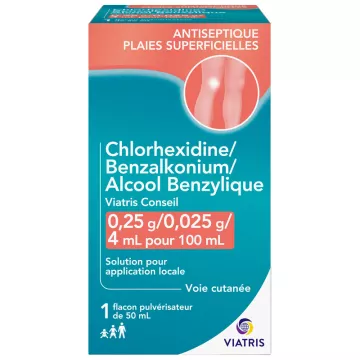
- Apply a suitable antiseptic (aqueous chlorhexidine, or iodine solution—except on large areas or for children under 30 months of age);
- Gently dry the area and apply a sterile bandage;
- Monitor the wound for 48 hours.
Heavy, uncontrolled bleeding after 10 minutes of pressure, pulsating jet, or a laceration: call 15 or 112 immediately.
Should the wound be sutured or treated with Steri-Strips?
Several decision criteria indicate the need to see a doctor:
- Stitches likely needed: length greater than 1 cm, gaping edges, facial wound (cosmetic scar), joint wound, wound bleeding profusely, depth exposing subcutaneous fat;
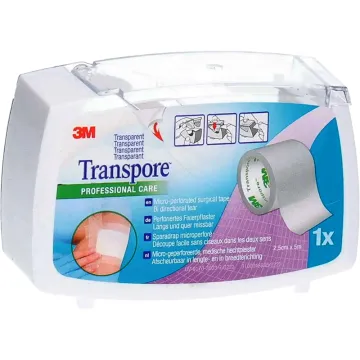
- Steri-strips or skin adhesive may be considered: short linear wound (< 1 cm), clean edges that align spontaneously, controlled bleeding, not on the face or a functional area, not in a tension zone;
- The time window for suturing a “clean” wound is 6 hours (up to 24 hours on the face); beyond this time, the risk of infection warrants postponing the procedure;
- “Dirty” wounds (dirt, rust, animal or human bites): never seal tightly; seek prompt medical attention.
If in doubt, consult a pharmacist or doctor for a quick decision.
How do you properly clean a cut?
Cleaning is the key step in preventing infection:
- Tap water (potable quality) at a moderate flow rate, for 2 to 5 minutes;
- Mild, unscented liquid soap if the wound is very dirty;
- Rinse thoroughly with clean water;
- Gently dab with a sterile gauze pad—do not rub;
- Apply the antiseptic solution by dabbing, without reapplying to the same area multiple times (which reduces effectiveness);
- Observe the recommended contact time (30 seconds to 2 minutes, depending on the product);
- Do not mix two different antiseptics (possible incompatibilities: chlorhexidine + iodine-based products = inactivation);
- Avoid 70° alcohol, concentrated hydrogen peroxide, and mercurochrome—these are harsh on healthy tissue and harmful to the healing process.
Which dressing should you choose based on the area?
The choice of dressing depends on the situation:
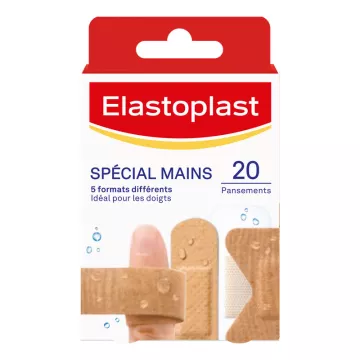
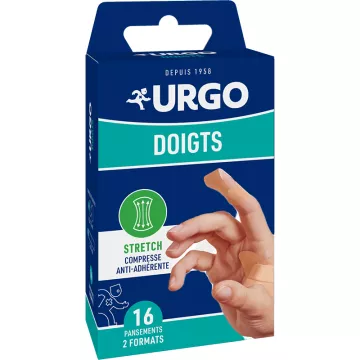
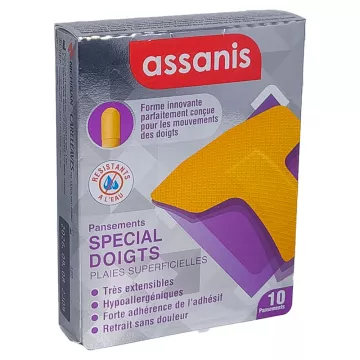
- Simple adhesive bandage (St. Bernard bandage, standard bandage): well-cleaned superficial cut, area with little movement;
- Hydrocolloid dressing: promotes healing in a moist environment; useful after the first 24 hours and for joint areas (fingers, elbows);
- Oily dressing (tulle or silicone interface): useful for larger superficial wounds to prevent adhesion;
- Sterile gauze pads + bandage: larger wounds on the trunk or limbs;
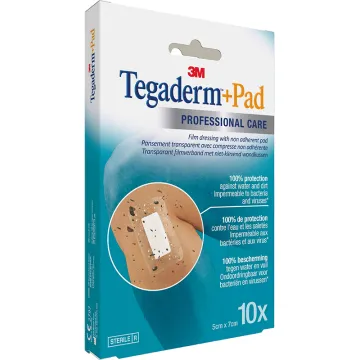
- Waterproof dressing: for showering; remove immediately afterward;
- Change the dressing every 1 to 2 days, or immediately if it becomes wet or soiled;
- On the face, use clear dressings or simply apply a wound-healing ointment after the first 48 hours.
Is a tetanus vaccination essential?
Yes—this question should be asked for every cut, even a superficial one. Tetanus is a serious infection caused by Clostridium tetani, a bacterium found in soil, rusty metal, and certain animal saliva. Tetanus vaccination has been mandatory in France since 1940; the vaccination schedule calls for booster shots every 20 years between the ages of 25 and 65, and then every 10 years after age 65.
- “Clean” cut (glass, household blade) with up-to-date booster: no additional injection;
- Contaminated cut (dirt, rust, animal bite, plant splinter): routine verification of vaccination status;
- Uncertainty about vaccination status or a booster given more than 20 years ago: medical consultation to update the vaccination status, or even administration of immunoglobulins depending on the case;
- A vaccination record or rapid tetanus immunity test is available at pharmacies in certain emergency situations.
How should wound healing be monitored?
Wound healing follows predictable phases:
- 0–3 days: inflammatory phase, with mild, normal redness;
- 4–14 days: proliferation phase, formation of new tissue, possible dry scab;
- 2 weeks to several months: remodeling phase, gradual fading of the scar;
- Watch for signs of infection that should be reported immediately: increasing redness beyond the edges of the wound, localized warmth, intensifying pain, swelling, yellow or greenish pus-like discharge, a red streak extending up the limb, fever;
- A scar kept out of the sun for 6 to 12 months (strict use of SPF 50 sunscreen) remains inconspicuous;
- If you have any concerns about how the scar is healing, consult a healthcare provider—this is the best course of action.
What should you avoid doing to minimize scarring?
- Do not pick at the scab before it falls off on its own—it protects the healing tissue;
- Avoid exposing the area to the sun for 6 to 12 months (risk of lasting post-inflammatory hyperpigmentation);
- Do not apply undiluted essential oils to an open wound;
- Do not immerse the area for long periods (swimming pool, bath) until it has fully healed;
- Minimize friction and tension on the area (clothing, exercise);
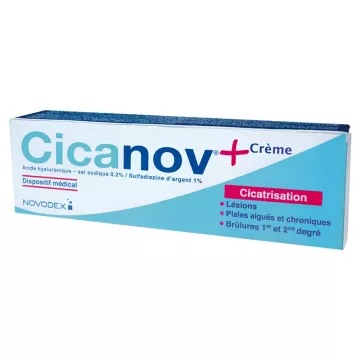
- Once the scar has closed, gently massage it with a specialized treatment (centella, allantoin, panthenol, dexpanthenol, topical silicone)—begin only after consulting a doctor in the case of a complex wound;
- For highly visible or hypertrophic scars after several months: work with a dermatologist to support the healing process.