Cryotherapy, or cold therapy, is a technique that involves exposing all or part of the body to very low temperatures for the purposes of recovery, muscle and joint comfort, or overall well-being. It comes in two main complementary forms used in pharmacies, medical offices, and specialized centers.
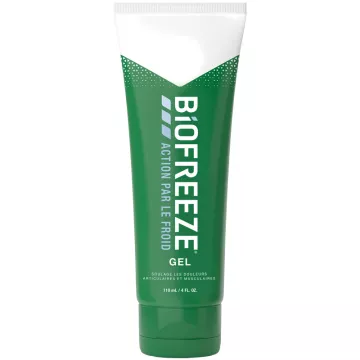
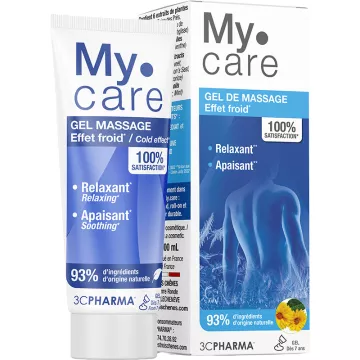
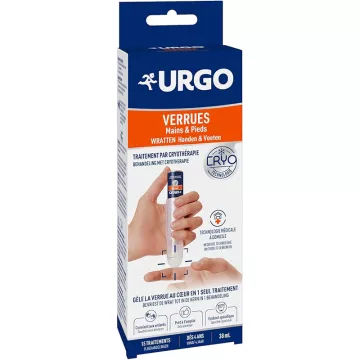
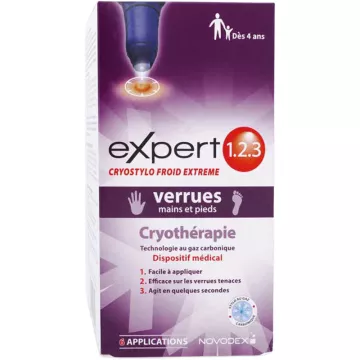
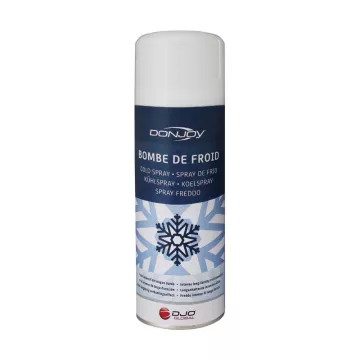
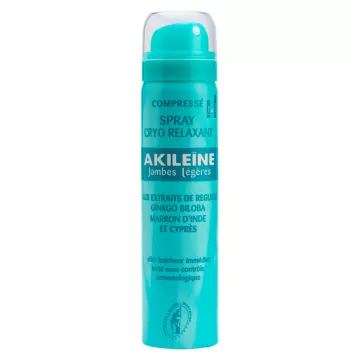
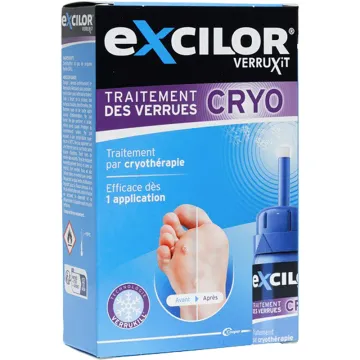
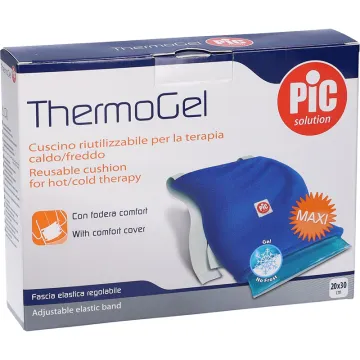
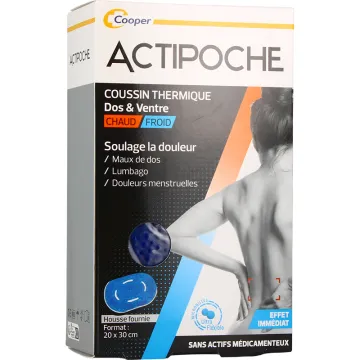
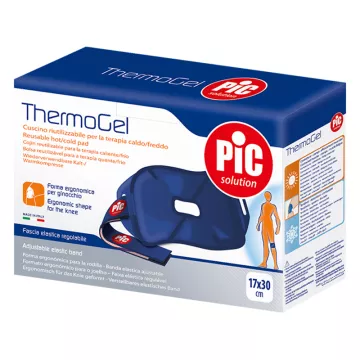
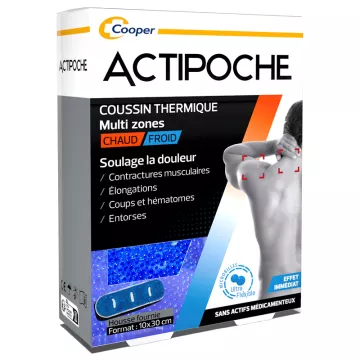
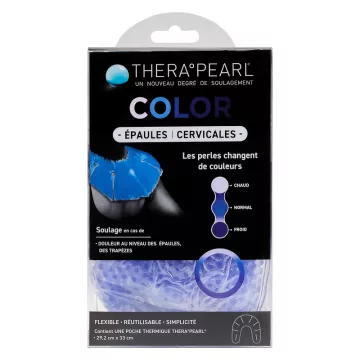
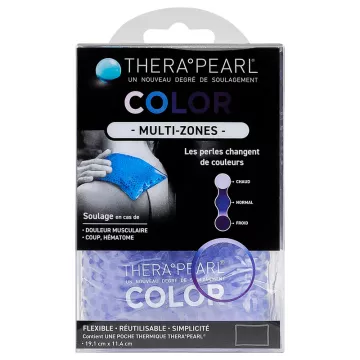
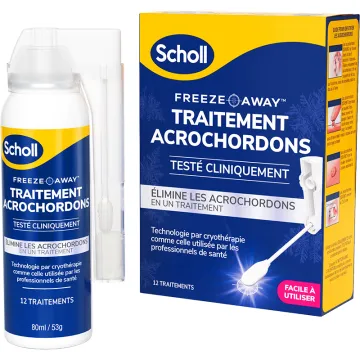
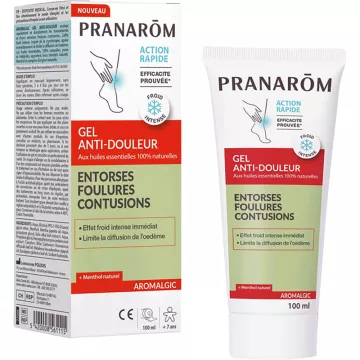
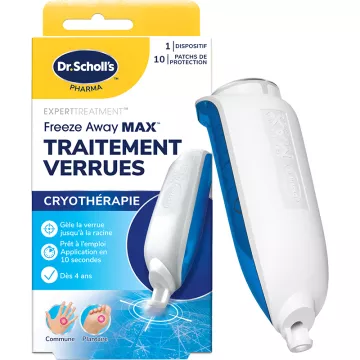
Whole-body cryotherapy (WBC) exposes the patient to an environment ranging from -110 °C to -160 °C for one to three minutes in a dedicated cabin or chamber. Local cryotherapy applies cold to a specific area using ice packs, cryogenic sprays, gel packs, or chilled pouches. Both approaches are distinct from aesthetic cryolipolysis and medical cryosurgery, which serve different purposes. Our selection of over-the-counter products can be found in the “sports cryotherapy” category.
The application of cold triggers a well-documented two-stage physiological reaction. These sequential effects explain the technique’s value in pain management and recovery.
First, the cold causes superficial vasoconstriction: small blood vessels constrict, which reduces local blood flow, limits swelling, and lowers nerve sensitivity. In the second phase, after exposure ends, a reactive vasodilation restores oxygenated blood flow to the tissues, supporting the phagocytosis of cellular debris and recovery. On a systemic level, whole-body cryotherapy also triggers the release of endorphins and norepinephrine, contributing to the perceived sense of calm and vitality.
The benefits traditionally described are numerous, but the level of scientific evidence varies depending on the indication. The evidence base is stronger for local cryotherapy than for whole-body cryotherapy.
The best-documented uses include reducing swelling within the first 48 hours following a sprain, acute tendinitis, or a blow resulting in a hematoma; relief of acute post-traumatic pain as part of the RICE protocol (Rest, Ice, Compression, Elevation); post-exercise comfort and athletic recovery from muscle soreness and microtears caused by training. Psychologically, some users report improved mood and reduced symptoms of stress after whole-body cryotherapy, when used under supervised conditions.
Thorough preparation is essential for the safety and effectiveness of the session, particularly for whole-body cryotherapy. The specialized center generally provides the necessary protective gear.
Here are a few basic rules to follow: wear the provided protective gear (gloves, thick socks, booties, a headband, and a mask to protect the mucous membranes, along with dry cotton underwear) to protect your extremities and sensitive areas; thoroughly dry your skin and avoid any lotions, creams, or perfumes before the session, as they could freeze on the skin; remove jewelry and conductive metal accessories; disclose any medical history (high blood pressure, heart conditions, asthma, pregnancy, cold allergy) before the first session, and obtain prior medical advice if you have a chronic condition. Strict adherence to the prescribed duration (1 to 3 minutes for CCE) is essential.
Although cryotherapy is generally safe when performed under supervised conditions, it carries risks that should be understood. The majority of reported incidents result from inadequate protection or an incorrect initial indication.
Skin frostbite is the most common adverse effect, particularly on poorly protected extremities or during sessions extended beyond the recommended durations. Respiratory comfort may be impaired in sensitive individuals: breathing in such cold air puts strain on the respiratory tract, which can trigger discomfort or spasms in patients with asthma. Transient skin reactions (redness, tingling, a superficial burning sensation) are common and subside within a few minutes. Vagal reactions or fainting may occur during initial exposure to extreme cold, which is why a trained operator must be present. Performing whole-body cryotherapy exclusively in a specialized center with regularly inspected equipment remains the basic safety requirement.
Cryotherapy has several formal contraindications that a healthcare professional must systematically rule out before the first session. The following list is not exhaustive.
The main contraindications includeuncontrolled high blood pressure, a history ofmyocardial infarction, unstable angina, significant heart rhythm disorders; severe arterial diseases and Raynaud’s syndrome; cold-related diseases such as cryoglobulinemia, cold urticaria, and cold agglutinin disease; severe respiratory disorders (uncontrolled asthma, advanced COPD); pregnancy; uncontrolled epilepsy; progressive neoplastic conditions; severe skin sensitivity disorders; open or infected wounds in the treatment area. A prior medical consultation is required to confirm eligibility, particularly for whole-body cryotherapy.
The optimal frequency depends on the treatment goal, clinical condition, and individual tolerance. There is no universal protocol that applies to all individuals.
For elite athletes, the protocols mentioned call for one to two sessions per day during periods of intensive training or post-competition, for a limited duration. For general well-being or the management of chronic mechanical pain, two to three sessions per week over a 3- to 5-week course is a regimen frequently recommended at centers. In local cryotherapy, the application of ice or a cold pack follows a different approach: 15 to 20 minutes at most, several times a day during the first 48 hours after an injury, with a protective barrier (a thin cloth) between the cold source and the skin. A healthcare professional tailors the program to the clinical situation.
Several users report a perceived improvement in sleep after a few sessions of whole-body cryotherapy. This observation should be interpreted with caution, as the scientific literature is still limited on this specific point.
Two mechanisms have been proposed. The temporary drop in cortisol and the release of endorphins following exposure to cold are sometimes cited to explain the soothing effect. Additionally,improved muscle comfort and the reduction of post-exercise micro-tensions make it easier for athletes to fall asleep. However, cryotherapy is not a treatment for established sleep disorders and is not a substitute for a medical evaluation in cases of chronic insomnia, sleep apnea, or persistent symptoms.
Cryotherapy is not a weight-loss treatment. Commercial claims to this effect should be viewed with caution and are not based on a solid scientific consensus.
Three theoretical arguments are put forward for the role of cryotherapy in a comprehensive weight management strategy: a temporary boost to metabolism through cold-adaptive thermogenesis; improved muscle recovery to support regular physical activity; and a perceived positive effect on overall well-being and motivation. Weight loss, however, remains dependent on an overall energy balance (diet, physical activity, sleep, and hormonal regulation) that cryotherapy cannot replace under any circumstances.
Heat and cold are used for opposite clinical conditions. The right choice depends on whether the discomfort is acute or chronic and whether visible inflammation is present.
Cold remains the first-line treatment within the first 48 hours following an acute injury (sprain, contusion, early-stage tendinitis), as part of the GREC protocol. Heat (thermotherapy) takes over once the inflammatory phase has passed, for established muscle spasms, chronic muscle pain, and mechanical joint pain. Some protocols alternate between the two as part of acontrast hydrotherapy approach, under the supervision of a physical therapist. For diffuse pain, analgesic medications and manual therapy techniques usefully complement the available treatment options.
A few simple rules can help optimize tolerance and the effectiveness of cryotherapy over the course of multiple sessions. These are based on clinical common sense shared by the majority of specialized centers.
Stay well-hydrated before and after each session to support thermoregulation and circulation. Wear full protective gear during every exposure to extreme cold, without exception. Follow a regular schedule based on the protocol established with your healthcare professional, rather than using the treatment sporadically without consistency. Document how you feel (pain, sleep, energy, recovery) to adjust the frequency and duration of sessions to align as closely as possible with the expected benefits. Maintain regular medical follow-up, particularly in cases of chronic conditions or long-term use, to reassess the appropriateness of the protocol. Complement cryotherapy with the other pillars of recovery: quality sleep, a balanced diet, stretching, and specific muscle training.