Creativity —the ability to generate new and original ideas to solve problems or create works—is based on a specific brain network called the "default mode network" (DMN), which is active precisely when the mind relaxes and stops focusing on a specific task. It is during these moments of relaxation and unfocused thinking—in the shower, while walking, or as we fall asleep—that unexpected connections between ideas emerge. Creativity is therefore, paradoxically, fostered not by conscious effort but by the quality of the brain’s recovery and the flexibility of thought. Chronic stress, cognitive fatigue, and emotional blocks (fear of failure, perfectionism, lack of confidence) are its main enemies—they activate the controlling prefrontal cortex and inhibit free associations. Regular meditation strengthens the DMN and improves the cognitive flexibility necessary for creative thinking.
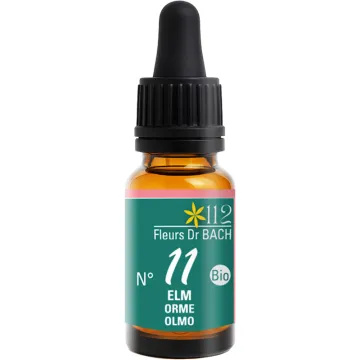
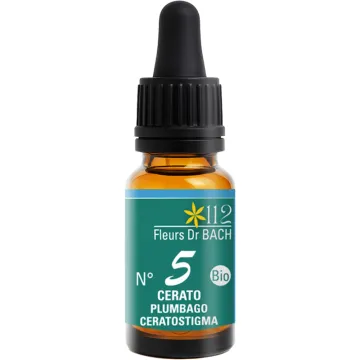
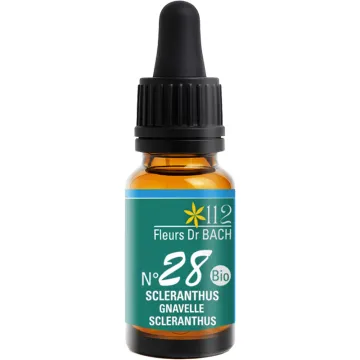
In Dr. Edward Bach’s system, several emotional states specifically paralyze creativity. The Bach Flower Remedies associated with creativity target these blocks:
Creativity requires a brain that is well-nourished, well-oxygenated, and free from mental fatigue. Ginkgo biloba (EGb 761 — EMA well-established use) improves cerebral microcirculation and the flow of thought — Contraindicated with anticoagulants and antiplatelet agents. Bacopa (Bacopa monnieri—standardized bacosides) is a nootropic suitable for supporting working memory and long-term cognitive connections—its effects build gradually over 4 to 8 weeks. Rhodiola (adaptogen—rosavins and salidroside) reduces mental fatigue and restores the motivation and enthusiasm necessary for creative engagement—take in the morning; contraindicated in bipolar disorder. Magnesium bisglycinate (300 mg/day) reduces mental stress that inhibits divergent thinking and creative risk-taking. These supplements support cognitive clarity—they do not generate ideas in place of the brain, but create the conditions conducive to their emergence.