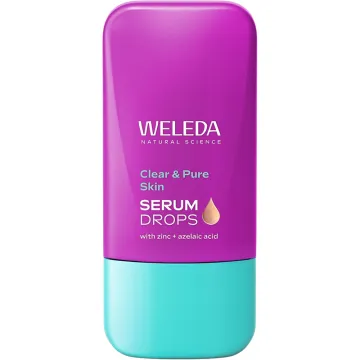
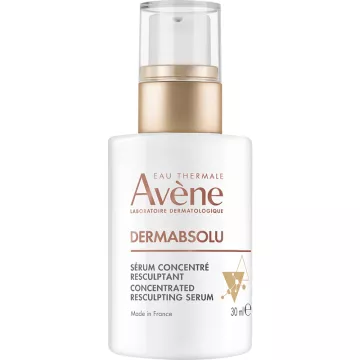
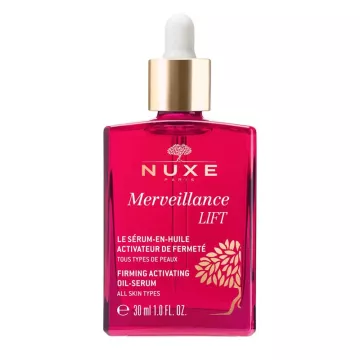
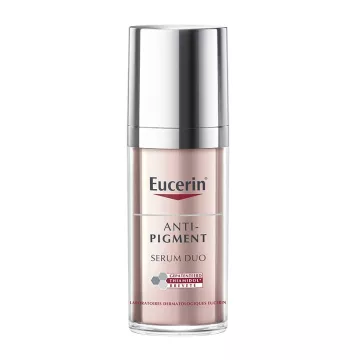
What is a corrective serum, and how does it work?
A corrective serum is a cosmetic product formulated to target various skin concerns: dark spots, redness, fine lines, uneven texture, and a lack of radiance.
Its high concentration of active ingredients and fluid texture allow it to penetrate quickly into the superficial layers of the epidermis, delivering more noticeable results than a simple cream.
Corrective serums work through several mechanisms: visibly supporting skin renewal, reducing the appearance of dark spots, and providing antioxidant protection against free radicals.
A cosmetic serum is never a substitute for dermatological treatment: for severe melasma, deep dark spots, or persistent post-inflammatory hyperpigmentation, a dermatologist’s consultation is recommended.
What are the key ingredients in an effective corrective serum?
Corrective serums generally contain several recognized active ingredients:
- Vitamin C: an antioxidant that evens out the complexion and visually reduces dark spots. Photosensitizing: use SPF 30 or higher and store away from light.
- Hyaluronic acid: a moisturizer that plumps the skin and reduces the appearance of fine lines caused by dehydration.
- Niacinamide: soothes skin discomfort, visibly reduces redness, and improves the appearance of pores.
- Retinol: Visually supports skin firmness and renewal. Photosensitizing: Use only in the evening; apply SPF 30 or higher the next day; not recommended during pregnancy or while breastfeeding.
- Azelaic acid, alpha-arbutin, tranexamic acid: active ingredients recognized for the cosmetic management of dark spots.
How do I incorporate a corrective serum into my skincare routine?
To incorporate a corrective serum into a consistent skincare routine, follow these steps:
- Cleanse your face with a gentle cleanser to remove impurities and excess oil.
- If desired, apply a toner or mist to prepare the skin to better absorb the active ingredients.
- Apply 2 to 4 drops of the corrector serum to your face and neck, avoiding the eye area.
- Gently massage the serum into your skin using light tapping motions until it is fully absorbed.
- Follow with a moisturizer suited to your skin type.
- Apply sunscreen with an SPF of at least 30 in the morning (SPF 50 is recommended for hyperpigmentation).
How often should you use a corrective serum?
How often you use a corrective serum depends on its active ingredients and your skin’s tolerance.
Hydrating or brightening serums (vitamin C, hyaluronic acid, niacinamide): morning and/or evening, daily.
Serums with potent active ingredients (retinol, AHA, BHA): introduce gradually—2 to 3 times a week at first, then increase gradually depending on your skin’s tolerance.
If you experience irritation, significant redness, or tightness, space out applications and opt for formulas with simpler ingredients.
What are the long-term benefits of a corrective serum?
Regular use of a corrective serum can visibly improve several aspects of skin quality:
- Visible reduction of dark spots and the appearance of redness.
- Improved skin texture and complexion: smoother skin texture, more even complexion.
- Visible reduction of wrinkles and fine lines: a plumper appearance and smoother features.
- Visible support for skinfirmness and suppleness.
- Antioxidant protection against free radicals generated by UV rays, pollution, and oxidative stress.
Consistent use is essential: results become apparent over several weeks to months.
Can a corrective serum be incorporated into a multi-product skincare routine?
Corrective serums can be incorporated into a comprehensive skincare routine, provided you follow a few guidelines.
Combine complementary products: corrective serum + moisturizer + sunscreen; vitamin C serum + sunscreen for antioxidant synergy.
Avoid certain simultaneous combinations:
- Pure vitamin C (ascorbic acid) + retinol: different pH levels, loss of effectiveness; use them separately in the morning and evening.
- AHA/BHA + retinol used simultaneously: risk of cumulative irritation.
- Niacinamide + very high-concentration vitamin C: a 30-minute interval is recommended.
If in doubt or if irritation occurs, consult a dermatologist who can help you structure your skincare routine.
What precautions should you take with a corrective serum?
Using a corrective serum requires several precautions:
- Skin test: Apply to the inner elbow for 48 hours before first use.
- Apply in the evening if the product contains photosensitizing active ingredients (retinol, AHA, BHA, vitamin C, depending on the formula).
- Always use sunscreen the next day (minimum SPF 30; SPF 50 recommended for skin with dark spots).
- Gradually introduce strong active ingredients to allow the skin to adjust.
- Persistent irritation: Reduce frequency, space out the active ingredients, and consult a healthcare professional if necessary.
- Do not apply to broken, irritated skin, or skin experiencing a severe inflammatory acne flare-up or active eczema.
Are corrective serums suitable for all skin types?
Corrective serums can be suitable for various skin types, provided you choose the right formula.
Sensitive skin: fragrance-free, hypoallergenic formulas with gentle active ingredients (hyaluronic acid, niacinamide, panthenol).
Oily or acne-prone skin: lightweight, non-comedogenic serums with regulating active ingredients.
Dry skin: Formulas enriched with moisturizing and lipid-rich ingredients (hyaluronic acid, glycerin, ceramides).
Mature skin: anti-aging serums with targeted active ingredients (retinol, peptides, vitamin C, niacinamide).
Possible side effects of a corrective serum?
Using a corrective serum can cause side effects, particularly with concentrated active ingredients:
- Skin irritation: redness, tingling, flaking—especially at the beginning when using retinol or exfoliating acids.
- Increased sun sensitivity: Vitamin C, retinol, AHAs, and BHAs are photosensitizing—strict use of SPF is essential.
- Allergic reactions: rare but possible (fragrances, preservatives, certain active ingredients)—perform a patch test beforehand.
- "Rebound" effect if a strong active ingredient is abruptly discontinued: return of the initial skin concerns.
If you experience a severe or persistent adverse reaction, discontinue use and consult a dermatologist.
How do I choose the best corrective serum for my skin type?
To choose the most suitable corrective serum, consider your skin type and concerns:
- Oily/acne-prone skin: salicylic acid, niacinamide,and zinc, which help control shine. Salicylic acid: photosensitizing; not recommended for pregnant or breastfeeding women.
- Dry skin: hyaluronic acid, glycerin, and ceramides for sustained hydration.
- Sensitive skin: hypoallergenic and fragrance-free formulas with soothing active ingredients (aloe vera, panthenol, allantoin).
- Mature skin: retinol, peptides, vitamin C—visibly reduces the signs of aging.
- Skin with dark spots: vitamin C, niacinamide, tranexamic acid, alpha-arbutin, azelaic acid.
Read the full INCI list to identify known allergens.
Can a corrective serum be used during pregnancy?
Using a corrective serum during pregnancy requires special caution.
Cosmetic retinol is generally not recommended during pregnancy and breastfeeding as a precautionary measure.
Medical retinoids (tretinoin, isotretinoin, adapalene, tazarotene) are strictly contraindicated during pregnancy: they are teratogenic (risk of fetal malformations).
The following are also often discouraged during pregnancy and breastfeeding as a precaution: high-concentration salicylic acid, hydroquinone (banned in European cosmetics), and certain essential oils. Always consult your doctor, midwife, or dermatologist before using any active cosmetic products during pregnancy.
How long does it take to see results from a corrective serum?
The results of a corrective serum depend on the formulation, the skin’s initial condition, and how consistently it is applied:
- Visible reduction in dark spots: initial improvements are generally seen after 4 to 8 weeks of regular use.
- Improved skin texture: noticeable effects after 2 to 4 weeks.
- Visible reduction in fine lines: results are generally visible between 8 and 12 weeks.
- Evener skin tone and radiance: effects are often visible as early as 2 to 4 weeks with a well-formulated vitamin C product.
Consistency in application is more important than excessive intensity or frequency.
Corrective Serum After a Dermatological Procedure?
Corrective serums can complement the post-procedure regimen following a dermatological treatment (chemical peel, laser, microdermabrasion, microneedling, IPL), provided that several rules are followed:
- Advice from a dermatologist or aesthetic physician: Strictly follow the prescribed post-procedure protocol; do not add any products that are not recommended.
- Allow sufficient recovery time: generally several days to weeks, depending on the procedure, before reintroducing potent active ingredients (retinol, acids, concentrated vitamin C).
- Hydration and soothing as a first step: ceramides, panthenol, hyaluronic acid, aloe vera.
- Enhanced sun protection: SPF 50, protective clothing, and strict avoidance of UV exposure during the recovery phase.
Post-procedure medical follow-up is essential to ensure smooth, complication-free healing.