Contraception: Available Methods and Tips for Choosing
Contraception refers to the methods used to prevent pregnancy. The main categories available in France are:
- Combined hormonal contraceptives (estrogen-progestin): birth control pill, patch, vaginal ring. Contraindicated in cases of thrombosis, migraine with aura, or smoking after age 35.
- Progestin-only contraceptives: microprogestin pills, implant, injections, hormonal IUDs (levonorgestrel). Can be used while breastfeeding.
- Copper IUDs: a highly effective non-hormonal method (>99%), with no systemic effects, effective for up to 10 years.
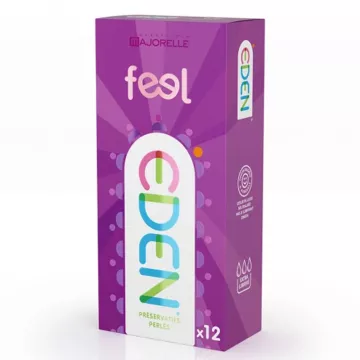
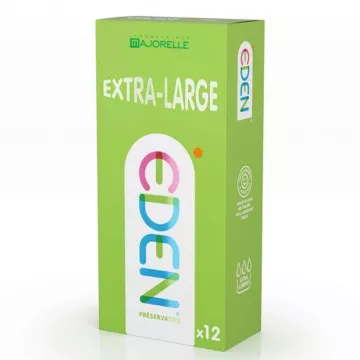
- Barrier methods (male/female condoms): the only methods that protect against STIs. 98% effective with perfect use.
- Emergency contraception: levonorgestrel (< 72 hours), ulipristal (< 120 hours), copper IUD (< 120 hours; most effective method).
The choice of contraceptive method should be discussed with a doctor or midwife, taking into account medical history, lifestyle, and personal preferences.
Does hormonal contraception cause nutritional deficiencies?
Combined oral contraceptives cause micronutrient depletions, as documented in clinical studies:
- Vitamins B6, B9 (folate), and B12: The hepatic metabolism of synthetic estrogens increases the body’s requirements for these vitamins. Studies show significantly lower plasma levels in women taking the pill compared to controls.
- Vitamin C: Estrogens increase the body’s needs. One study (Rivers, 1975) shows a 30% reduction in leukocyte levels in women taking the pill.
- Zinc, selenium: Estrogens increase ceruloplasmin, displacing zinc from its protein-bound state.
- Magnesium: Synthetic estrogens increase urinary magnesium loss.
Vitamins B9 and B12: essential when taking hormonal birth control
Two B vitamins are particularly critical for women on birth control and those planning a pregnancy:
- Vitamin B9 (methylfolate, 5-MTHF): Deficiency is associated with neural tube defects (spina bifida) during the first weeks of pregnancy. Supplementation (400 µg/day) is officially recommended 4 weeks before stopping birth control and during the first 12 weeks of pregnancy. The methylfolate form is preferable for women who carry the MTHFR variant.
- Vitamin B12: Deficiency can affect fertility and the embryo’s neurological development. Vegan women using birth control are at particularly high risk of a dual deficiency.
Vitamins C and E to Combat Oxidative Stress from Contraception?
Hormonal contraceptives increase systemic oxidative stress via reactive estrogen metabolites:
- Vitamin C (250 to 500 mg/day): reduces oxidative stress induced by synthetic estrogens. A deficiency while taking the pill may contribute to fatigue and mood disorders.
- Vitamin E (tocopherols): protects cell membranes against lipid peroxidation. Epidemiological studies show that women taking contraceptives have lower plasma levels.
Probiotics and Selenium While on Hormonal Contraception?
Two complementary nutrients for overall health while on birth control:
- Probiotics (Lactobacillus rhamnosus, L. reuteri): Hormonal contraceptives alter the vaginal microbiota (decrease in Lactobacillus, increase in Gardnerella). Targeted strains help maintain the balance of the vaginal microbiota, reducing the risk of bacterial vaginosis, which is common among birth control pill users.
- Selenium (55 to 200 µg/day of selenium methionine): a cofactor for glutathione peroxidase. A deficiency during estrogen-progestin therapy may contribute to fatigue and thyroid disorders, which are sometimes reported.
Micronutrients to Resume After Stopping Contraception
The transition from contraception to pregnancy requires nutritional attention:
- Vitamin B9 (methylfolate): begin 4 weeks before stopping birth control. Standard dose: 400 µg/day; increased dose (5 mg/day by prescription) in cases of MTHFR mutation or a history of neural tube defects.
- Vitamin B12: Serum testing is recommended before conception, especially for vegetarians and vegans.
- Iron: Ferritin levels may be reduced by birth control pills or increased by a copper IUD (due to blood loss). Testing is recommended.
- Comprehensive preconception screening, ideally 3 months before stopping birth control: TSH, ferritin, vitamin D3, B12, B9, and fasting blood glucose.