Chronic cold extremities result from a dysfunction of the peripheral capillary microcirculation. Several mechanisms are at play: vasospasm of the peripheral arterioles in response to cold or stress, reduced erythrocyte deformability (red blood cells have more difficulty passing through microvessels), and platelet hyperaggregation, which slows capillary flow. Raynaud’s disease (affecting 3 to 5% of the population, predominantly women) is the most well-documented form of this condition. Aggravating factors include tobacco (a powerful vasoconstrictor), caffeine, and beta-blockers. A medical evaluation is necessary to distinguish primary Raynaud’s (idiopathic, benign) from secondary Raynaud’s (associated with an autoimmune disease such as scleroderma).
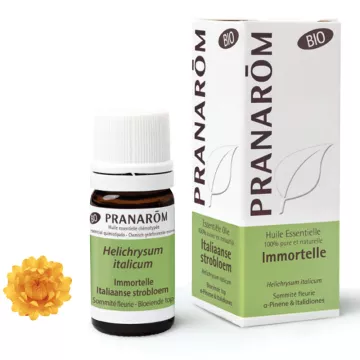
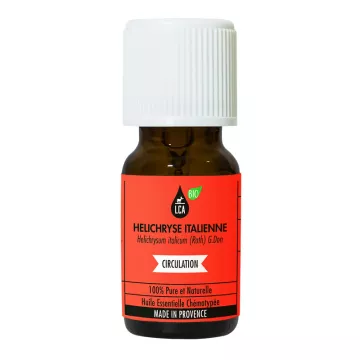
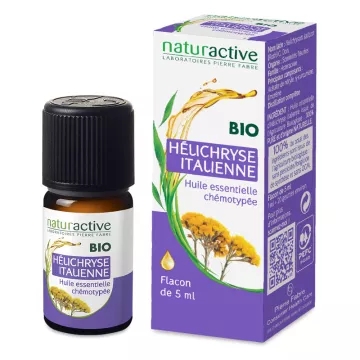
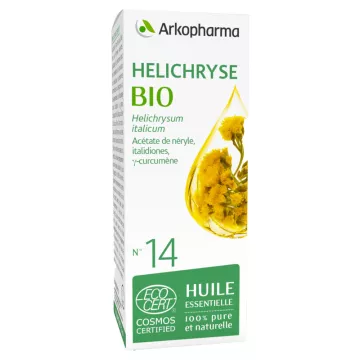
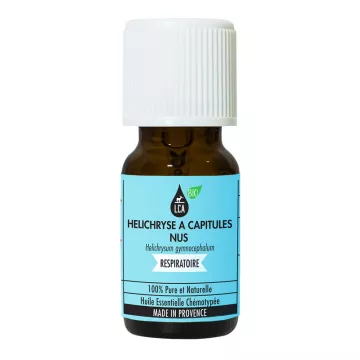
Italianhelichrysum essential oil (Helichrysum italicum, italidiones ≥ 10%) is the most well-documented aromatherapeutic agent for peripheral microcirculatory disorders. Its italidiones reduce blood viscosity and improve the rheological properties of red blood cells. When applied topically (3 to 5 drops diluted to 10% in macadamia oil, massaged into the extremities 2 to 3 times a day), its warming effect is felt within 15 to 30 minutes. The LCA, Pranarom, and Arkopharma product lines offer several organic formulations standardized in italidiones.
Ginkgo biloba (EGb 761) improves peripheral microcirculation by inhibiting PAF (platelet-activating factor), enhancing erythrocyte deformability, and directly dilating arterioles. Clinical studies confirm an improvement in vasomotor acrosyndromes at doses of 120–240 mg/day after 6 to 8 weeks. Carlytene (Ginkgo + vitamin B3) combines these two mechanisms in a formula designed to address cold extremities and Raynaud’s syndrome.
Vitamin B3 (niacin, 15–50 mg/day) activates the GPR109A receptors in vascular smooth muscle cells, inducing vasodilation of peripheral arterioles (niacin flush). Omega-3s (EPA/DHA, 2–3 g/day) improve erythrocyte membrane fluidity and inhibit pro-aggregatory thromboxane A2—two mechanisms that together improve blood flow in the microcapillaries of the extremities during winter.
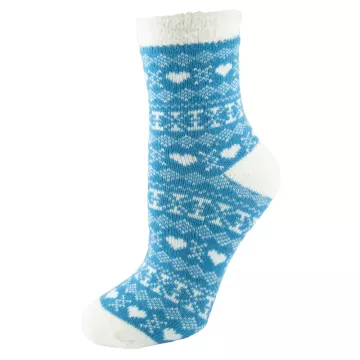
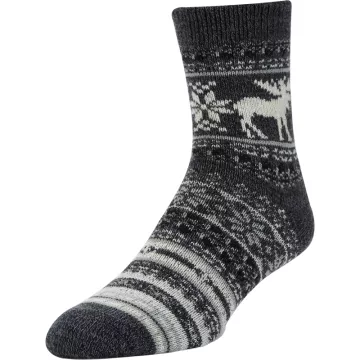
Alternating hot and cold foot baths (thermal contrast: 3 minutes at 40 °C followed by 30 seconds at 15 °C, repeated 3 to 4 times) stimulate reflex peripheral vasomotion and gradually improve vascular tone. Aloe vera thermal socks (Airplus Aloe Cabin Socks) combine insulation with soothing properties for dry skin on the feet. For overall blood circulation, daily walking (20–30 min) remains the most effective long-term strategy—it stimulates the venous muscle pumps in the calves and improves peripheral vasomotor tone.
Raynaud’s disease is distinguished from ordinary cold extremities by its characteristic clinical triad: a blanching phase (sudden vasospasm, white and numb fingers), cyanosis phase (venous stasis, bluish fingers), and warming phase (reactive vasodilation, red and painful fingers). These episodes are triggered by cold or stress and last 15 to 60 minutes. Primary (idiopathic) Raynaud’s is benign—natural remedies (ginkgo, helichrysum, omega-3, niacin) may help reduce the frequency and severity of attacks. Secondary Raynaud’s (associated with scleroderma or lupus) requires specialized medical care.