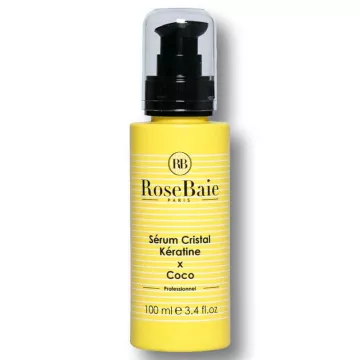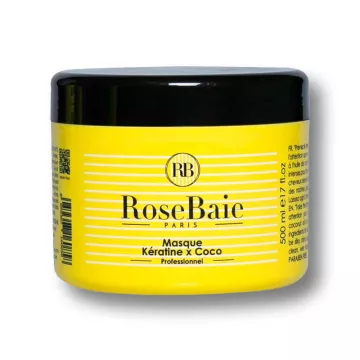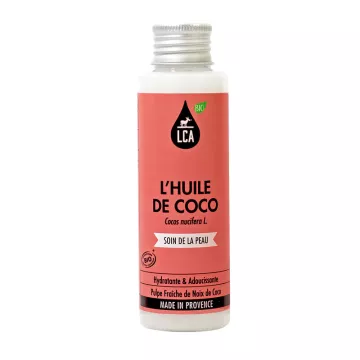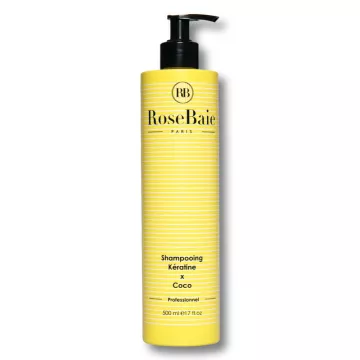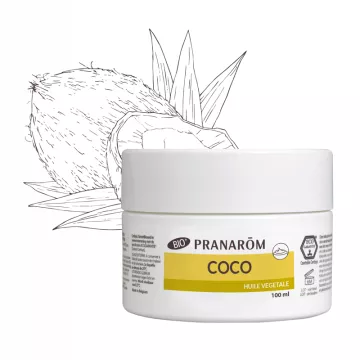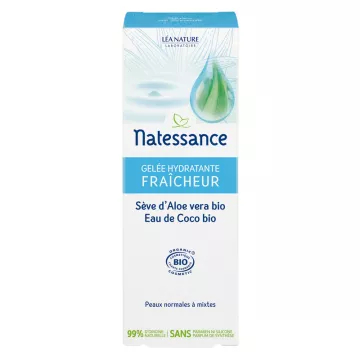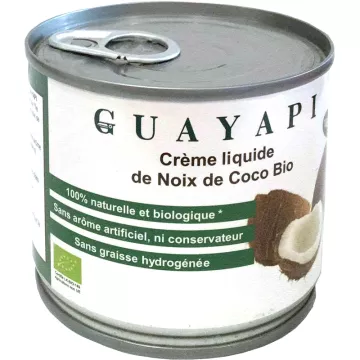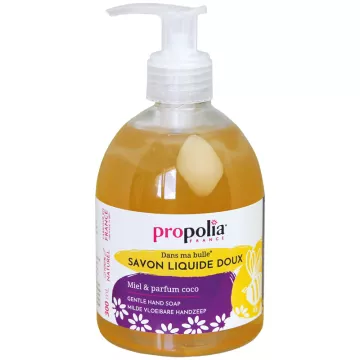
The coconut (Cocos nucifera) is the fruit of the coconut palm, nearly every part of which can be used in dietary supplements, cosmetics, or herbal medicine. In health food stores, the most common forms are virgin or fractionatedcoconut oil, freeze-dried coconut water powder, capsules containing concentrated pulp extracts, and supplements made from MCTs (medium-chain triglycerides). These forms differ in their composition and uses: cold-pressed virgin oil retains the full lauric acid profile and characteristic flavor, while fractionated oil (MCT 8:10) contains only caprylic and capric acids—with no lauric acid—and remains liquid at all temperatures.
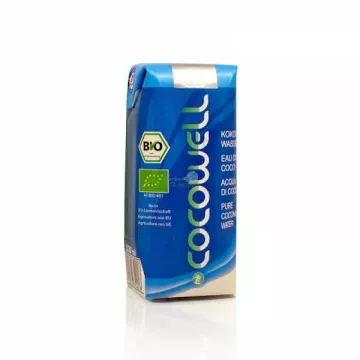
Fresh coconut water is naturally isotonic, with an electrolyte composition similar to that of blood plasma: approximately 250 mg of potassium per 100 ml (five times more than most sports drinks), 25 mg of magnesium, and 105 mg of sodium. It serves as a natural alternative to synthetic isotonic drinks for moderate exercise lasting less than an hour. Its natural carbohydrate content (4–5 g per 100 mL) provides a moderate energy boost without causing an insulin spike. In freeze-dried powder form, it concentrates these electrolytes into a convenient format, used for post-workout recovery or to support hydration during episodes of diarrhea or extreme heat.
The two forms have distinct uses:
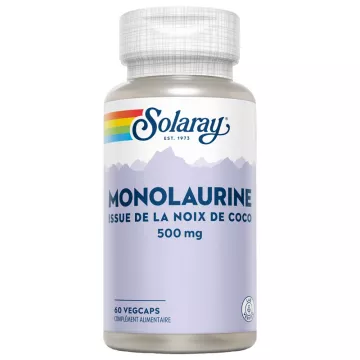
The lauric acid in coconut oil is converted in the body into monolaurin, a monoglyceride with documented in vitro antimicrobial properties against enveloped viruses (HSV, HIV), bacteria (Staphylococcus aureus, Helicobacter pylori), and fungi (Candida albicans). These effects have been observed under controlled conditions and do not constitute a validated therapeutic indication in vivo. To boost natural immunity, coconuts also provide vitamin C (in small amounts in fresh coconut water), zinc, and antioxidant polyphenols that support the nonspecific immune response.
Coconut oil has a powerful emollient effect that is beneficial for very dry and atopic skin. A clinical study (Evangelista et al., 2014) demonstrated its effectiveness on atopiceczema compared to mineral oil. It also slows oxidative skin aging thanks to its tocopherols. However, its high comedogenicity rating (4/5) makes it strictly contraindicated for acne-prone, combination, or oily skin. For the face, people with sensitive, non-acne-prone skin may use it with caution after first performing a patch test on a small area.
Precautions to be aware of before using coconut derivatives: