What is a cosmetic cleansing wipe, and what is it used for?
In drugstores, a cosmetic cleansing wipe is a non-woven cloth pre-soaked in a gentle cleansing solution—it cleans without water, without rinsing, and in a single step. It differs from disinfectant wipes (for medical or surface use, containing chlorhexidine or alcohol) in that its formulation is designed for skin care. For an overview of the different types of wipes, see our general page.
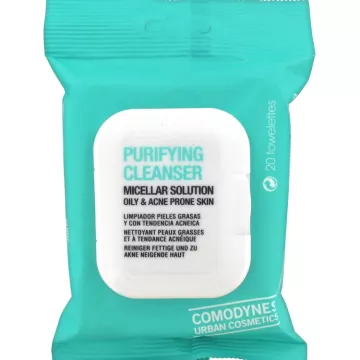
- Makeup-removing cleansing wipe: mild surfactants + emollients—removes waterproof makeup—effectiveness depends on contact time and pressure applied
- Facial cleansing wipe: gentler than a makeup-removing wipe — for daily cleansing without makeup — useful while traveling or after exercise
- Refreshing body wipe: for spot cleaning between showers — priority areas: underarms, hands, face
- Medical or dermatological cleansing wipes: pH-balanced, allergen-free, free of allergenic preservatives — for skin undergoing treatment or in a hospital setting
- The difference from antiseptic wipes is fundamental: a cosmetic cleansing wipe is not a disinfectant and does not replace an antiseptic on a wound
How do you choose the right cleansing wipe for sensitive or reactive skin?
Sensitive skin is particularly vulnerable to irritants in wipes because they remain on the skin without being rinsed off—each problematic ingredient acts for a much longer period than a rinse-off cleanser.
- Free of ethyl and isopropyl alcohol: alcohol disinfects but dries out and irritates the skin barrier—it should be avoided in daily-use wipes
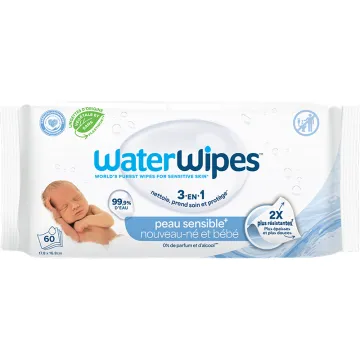
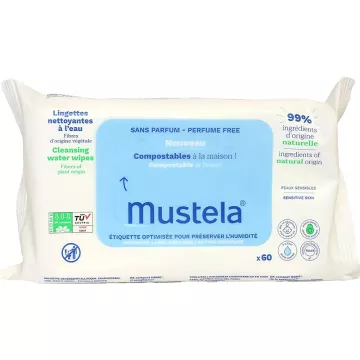
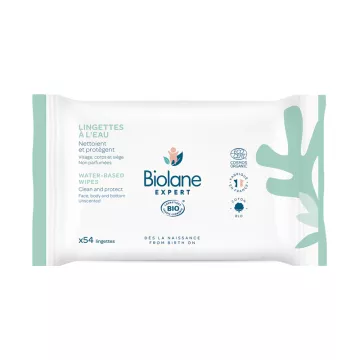
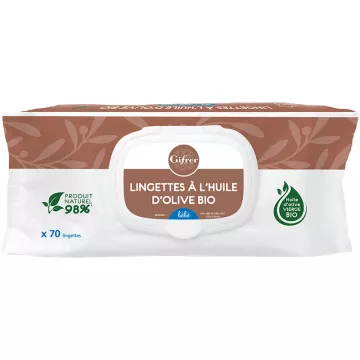
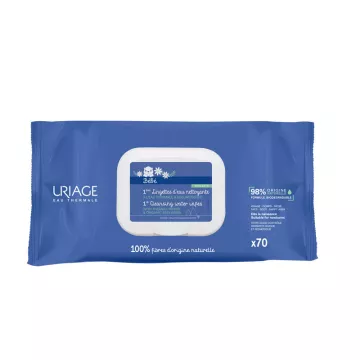
- Fragrance-free (listed as “Fragrance” or “Parfum” on the INCI list): the leading cause of contact allergies with wipes— baby wipes are often used as a benchmark for gentle formulations for adults with reactive skin
- Free of MIT/CMIT: banned since 2017 in leave-on products in the EU—its presence indicates regulatory non-compliance
- pH 5–5.5: respects the skin’s acid mantle—check the packaging or contact the manufacturer
- Sought-after soothing ingredients: aloe vera, thermal water, panthenol, chamomile extract—these help counteract the cleansing effect on sensitized skin
Can cleansing wipes replace a complete facial cleansing routine?
Cleansing wipes are an effective solution for when you’re in a pinch—but relying solely on them daily has limitations you should be aware of, especially for those who follow a meticulous daily skincare routine.
- As a quick fix or while traveling: perfectly suitable—a high-quality makeup-removing wipe effectively removes makeup, sebum, and surface impurities
- Exclusive daily use: Residues of surfactants and preservatives build up on the skin without rinsing—which can irritate or clog pores over time on sensitive and acne-prone skin
- Intensive double cleansing: a wipe to dissolve makeup + a rinse-off cleanser afterward—the wipe acts as the first step, and the cleanser removes any residue
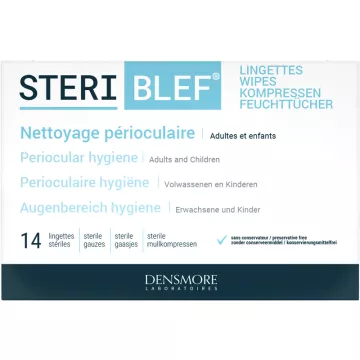
- Eyes and lips: Some wipes are formulated for the eye area—see our eye care and wipe range—standard face/body wipes should not be used on the eyes
How do you use a cleansing wipe for best results?
- Unfold the wipe completely and use it flat — a larger surface area improves cleansing and prevents concentrated friction on the skin
- Use gentle, non-rubbing motions—repeated mechanical pressure on reactive skin worsens redness and sensitivity
- Eyes: Apply the wipe to closed eyelids, let it sit for 10–15 seconds to dissolve waterproof mascara before gently wiping away
- One wipe = one use — do not reuse the same wipe on multiple areas to prevent bacterial recontamination
- Storage: Close the package tightly after each use—a wipe exposed to air dries out quickly and loses its cleansing effectiveness