What is a well-balanced daily hygiene routine?
Daily hygiene is about finding the right balance—not too little, not too much. The products, techniques, and frequency should be tailored to your skin type, daily activities, and the season. For frequency-based routines (showering, hair care), see our personal hygiene page, and for product selection (soaps, deodorants), see our hygiene page.
What hygiene mistakes damage the skin without you realizing it?
Most problems with dry, reactive, or irritated skin stem from overly aggressive hygiene—not from a lack of hygiene.
- Water that’s too hot: Excessive heat dissolves the protective lipid barrier—the skin feels tight, peels, and becomes reactive—always use lukewarm water
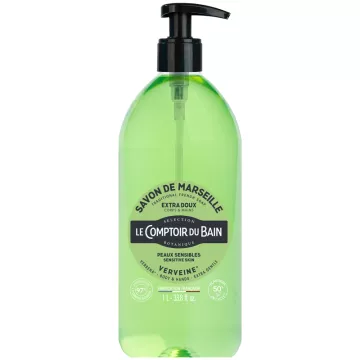
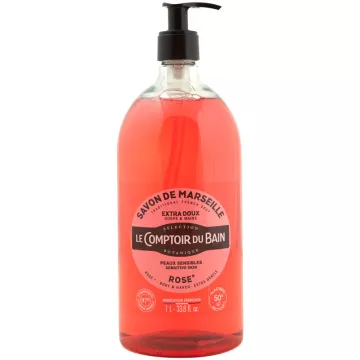
- Soaps that are too detergent-based (SLS, SLES, high pH): these disrupt the skin’s microbiome and weaken the skin barrier—switch to syndets (soap-free cleansers) or ultra-moisturizing products for sensitive skin
- Rubbing with a towel: repeated rubbing irritates fragile skin and areas affected by eczema—pat dry gently
- Failing to dry between skin folds: areas prone to maceration (between the toes, groin folds, under the breasts) are most at risk for fungal infections—dry thoroughly after every shower
- Sharing personal items (towels, razors, clothing)—direct transmission of skin fungi and bacteria
- Not replacing your toothbrush: replace it every 3 months or after an upper respiratory tract infection
Is it possible to wash too much, and what are the effects on the skin?
Yes—excessive hygiene is a real dermatological problem, especially for people who are anxious or have atopic conditions.
Washing several times a day with foaming products destroys the hydrolipidic film and the protective skin microbiome. The skin responds by producing more sebum (oily skin) or by becoming hyperreactive (dry and atopic skin). For sensitive skin, one lukewarm shower a day is enough—sometimes every other day in winter is even better for very dry skin.
How can you make your daily hygiene routine more eco-friendly without sacrificing effectiveness?
Eco-friendly alternatives are now just as effective as conventional products—and are often better tolerated by the skin.
- Solid soaps: no plastic packaging, no SLS, ultra-moisturizing or clay-based formulas—last 3–4 times longer than liquid body wash
- Solid shampoos: reduce water use (up to 80% of the composition of a liquid shampoo) and packaging—choose one suited to your hair type to avoid a seborrheic transition period
- Reduce water consumption: shower for 5 minutes max, turn off the faucet while brushing your teeth—two simple actions that significantly reduce your water footprint
- Multifunctional products: 2-in-1 for body and hair, face and body cleansers — fewer products, less packaging, and a lower risk of ingredient overlap
- Refills and reusable bottles: increasingly available at drugstores for skincare lines
Travel hygiene: What essentials should you pack?
Travel shouldn’t compromise your routine—but it should streamline it smartly.
- Travel-size (TSA-compliant ≤ 100 mL): Choose certified organic products without controversial ingredients to keep your high-quality toiletry bag light
- Hand sanitizer with ≥ 60% alcohol: a must-have when soap and water aren’t available—a supplement to handwashing, not a substitute
- Biodegradable, alcohol-free, and fragrance-free wipes: for the face and sensitive areas
- Toothbrush and solid toothpaste: compact size, with no risk of leaking in your kit
- Sunscreen: skin protection from the sun—SPF appropriate for your destination and skin type—reapply every 2 hours while exposed to the sun