A chalazion is the direct result of an obstruction of the Meibomian glands—lipid-secreting glands embedded in the tarsal cartilage of the eyelids that secrete the lipid layer of the tear film. When their openings become blocked, eyelid sebum accumulates and causes an aseptic granulomatous reaction around the extravasated lipids. Contributing factors include ocular rosacea, seborrheic dermatitis, and—often overlooked—the very nature of the eyelid sebum: sebum that is too thick and rich in saturated fatty acids is more likely to block the ostia than fluid sebum rich in unsaturated fatty acids. Chronic blepharitis and recurrent styes share this same predisposing factor.
Randomized studies (Oleñik et al., 2014; Bhargava et al., 2013) show that omega-3 DHA/EPA supplementation (1 to 3 g/day for 3 to 6 months) significantly improves tear film break-up time (TBUT) and reduces the frequency of recurrent chalazia in patients with meibomian dysfunction. The mechanism is twofold: omega-3s thin the eyelid lipid secretions by incorporating unsaturated fatty acids into meibomian phospholipids, and exert an anti-inflammatory effect (inhibition of COX-2 and PGE2), reducing inflammatory obstruction of the ostia.
Histologically, a chalazion is a lipid granuloma—a chronic inflammatory reaction centered around extravasated lipids. Curcumin with improved bioavailability (phytosomes, micelles, or combined with piperine) inhibits NF-kB, COX-2, and the JAK/STAT pathway in macrophages and multinucleated giant cells within the granuloma. Animal models show a significant reduction in granuloma size—preliminary but consistent results that support the use of curcumin as an adjunctive treatment for recurrent chalazions.
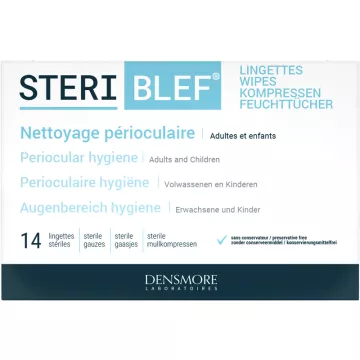
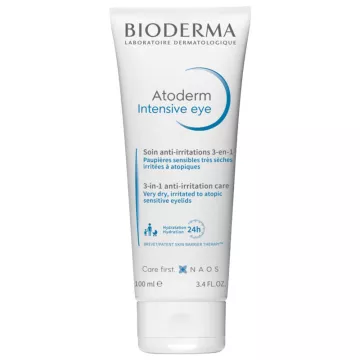
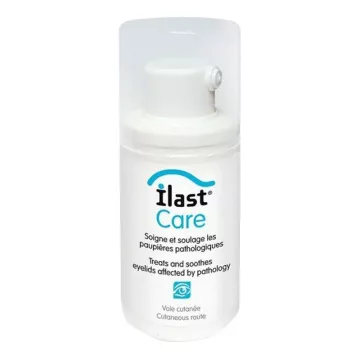
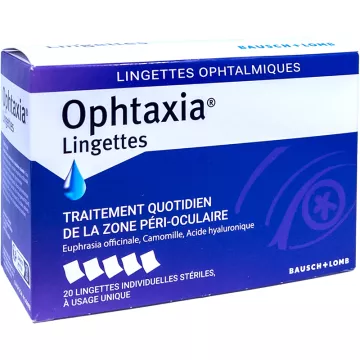
Daily eyelid hygiene is the cornerstone of prevention for people prone to blepharitis or rosacea. The technique involves applying a warm, damp compress at 42–45 °C for 5–10 minutes (to soften solidified secretions), gently massage the eyelid margins to express Meibomian secretions, then clean the eyelashes with an ophthalmic-grade solution. Niaouli essential oil diluted to 0.5% provides an active antiseptic effect against S. epidermidis and Demodex mites without causing corneal irritation at the recommended concentrations.
Eyeliner and kohl applied to the waterline directly block the Meibomian glands. Mascaras and eyeshadows containing waxes thicken the eyelid sebum—creating conditions conducive to lipid plugs. Thorough and gentle makeup removal every evening using an ophthalmic-grade product is essential for emulsifying lipid residues. Avoiding eyeliner on the lash line is the most effective preventive measure for people prone to recurrences.
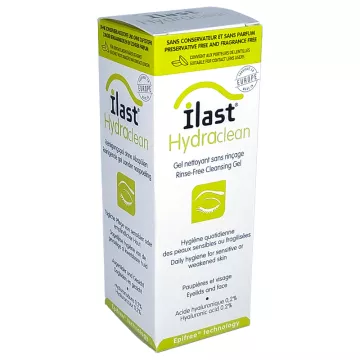
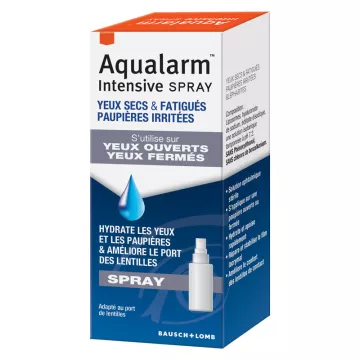
Hyaluronic acid (0.1–0.3% eye drops) maintains the stability of the tear film, which is compromised by meibomian gland obstruction, and reduces the sensation of a foreign body during treatment. It also improves comfort during daily warm compresses. When combined with a strict eyelid hygiene routine and omega-3 supplementation, it complements the natural management of recurrent chalazions.