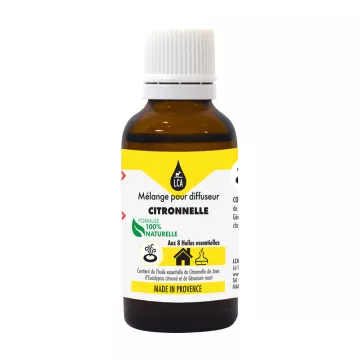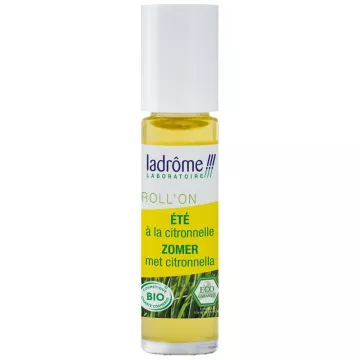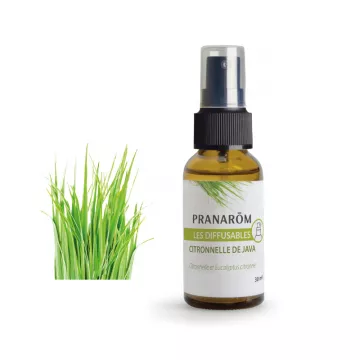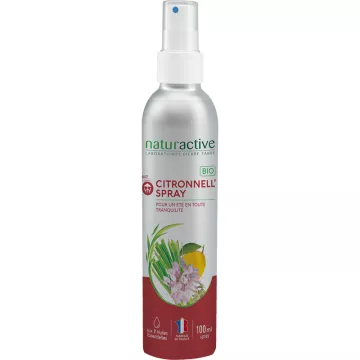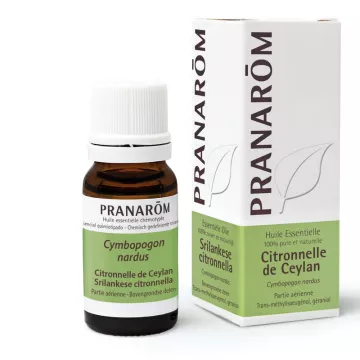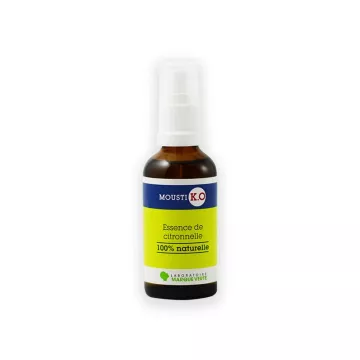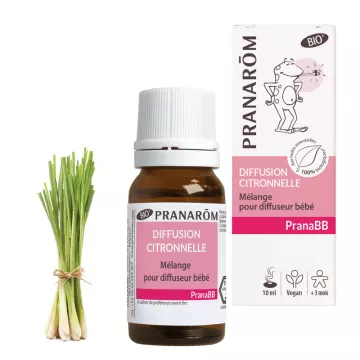
Ceylon lemongrass (Cymbopogon nardus) is an aromatic grass native to Sri Lanka; historically, it was the first variety of lemongrass to be commercially cultivated in the early 20th century for the production of essential oil. Its lemony, slightly camphor-like scent makes it a classic ingredient in home fragrances and natural repellents, particularly as part of a travel kit for destinations with mosquitoes.
Its composition includes geraniol (10–20%), citronellal (5–15%), and limonene, in more moderate proportions than in other chemotypes of lemongrass. This high concentration of aromatic terpenes explains its allergenic potential when used in its pure form, which is why people with a history of skin sensitivity to citrus essential oils should exercise particular caution.
Java lemongrass (Cymbopogon winterianus), a more recent variety, is significantly richer in citronellal (30–45%) and geraniol (20–25%), making it generally more effective as a repellent and more sought-after in perfumery. Ceylon lemongrass, with its more complex composition and lower concentration of repellent compounds, nevertheless retains traditional uses, particularly against ticks during walks in wooded areas.
When diffused into the air, a few drops of Ceylon citronella are enough to create an environment that is inhospitable to flying insects, as a complement to a topical mosquito repellent for direct protection on the skin. When applied to the skin, it must always be diluted to a maximum of 5–10% in a vegetable oil; never use it undiluted.
Ceylon citronella is sometimes confused with lemongrass (Cymbopogon citratus), a plant from the same botanical family but with very different properties: lemongrass is more highly valued for its anti-inflammatory and digestive benefits, while Ceylon citronella is primarily used for its insect-repellent properties. If skin irritation occurs after applying either one, discontinue use immediately, regardless of which oil is involved.
Always dilute before applying to the skin and perform a patch test first, as this oil has a documented potential to cause allergic reactions. Direct application to the skin is not recommended for pregnant women or children under 6 years of age, and it should never be applied to an existing insect bite, as this may aggravate local irritation rather than relieve it.