How Do Chronic Diseases Affect Bone Health?
Chronic diseases are an often-underestimated risk factor for bone health—far beyond age and menopause. Discover our line of bone remineralizers tailored to specific risk profiles.
- Rheumatoid arthritis: Chronic inflammation and associated corticosteroid therapy accelerate bone resorption—the leading iatrogenic cause of secondary osteoporosis
- Type 1 diabetes: impairs the quality of the bone collagen matrix—bones are more fragile despite sometimes normal bone density—increased fracture risk regardless of T-score
- Type 2 diabetes: paradoxically associated with normal or increased bone density but reduced mechanical strength—more frequent fractures
- Chronic kidney disease: disrupts renal activation of vitamin D3 and calcium-phosphorus metabolism—specific renal osteodystrophy
- Chronic intestinal diseases (IBD, celiac disease): malabsorption of calcium and vitamin D—supplementation is essential in conjunction with treatment of the disease
What medical treatments are available for established osteoporosis?
When supplements and lifestyle changes are no longer sufficient—T-score ≤ -2.5 or a fragility fracture—specific medical treatments are available, always in addition to fracture prevention measures.
- Bisphosphonates (alendronate, risedronate, zoledronate): inhibit osteoclasts — reduce the risk of vertebral fractures by 40–70% — standard of care — gastrointestinal side effects (oral) or post-injection reactions (IV)
- Denosumab: anti-RANK-L monoclonal antibody — potently inhibits bone resorption — subcutaneous injection every 6 months — efficacy maintained throughout the course of treatment
- Teriparatide: recombinant PTH fragment — stimulates bone formation (anabolic) rather than inhibiting resorption — reserved for severe osteoporosis
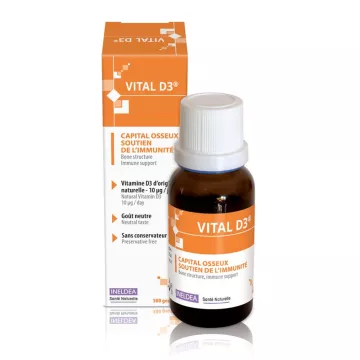
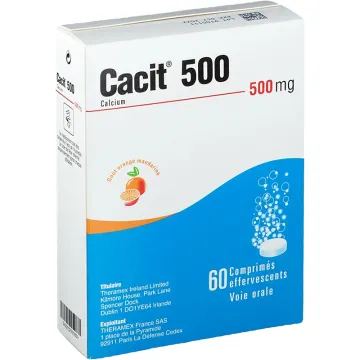
- Medical treatments for osteoporosis always require combination with calcium and vitamin D3—our calcium and vitamin D product lines complement these treatments
Probiotics and bone health: what’s the connection?
The gut microbiome plays a role in the absorption of bone-building nutrients — a recent area of research that opens up new possibilities for people at risk of malabsorption.
- Gut bacteria influence the absorption of calcium and magnesium—an imbalanced microbiome (dysbiosis) can reduce the effectiveness of supplementation
- Lactobacillus reuteri: the most extensively studied strain for bone health—clinical trials show a reduction in bone loss in postmenopausal women taking L. reuteri
- Probiotics enhance the production of intestinal lactic acid, which increases the solubilization and absorption of insoluble calcium
- A relevant complementary approach for people taking PPIs (proton pump inhibitors), which reduce stomach acidity and thus the absorption of calcium carbonate
How can you tailor your bone supplementation to your risk profile?
- Standard profile (healthy adult): calcium + D3 + K2 + magnesium — our complete line of bone remineralizers
- Corticosteroid therapy profile: 1,500 mg/day calcium + high-dose D3 + K2 — to be taken systematically upon initiation of long-term corticosteroid treatment
- Intestinal malabsorption profile: calcium citrate (absorbed without stomach acid) + high-dose D3 + probiotics — adjust based on lab results
- Senior profile with risk of falls: add a higher dose of D3 (proven neuromuscular action) + silicon for collagen structure
- Recommended annual blood tests: serum calcium, 25-OH vitamin D, PTH, bone turnover markers (CTX, P1NP) — adjust doses and avoid overdose