0
Menu

Body Fat: Ideal Percentage, Visceral and Active Risks

Filter
Number of products : 12
Sort
Sort
Close
NHCO Symetix Weight Management 56 softgels + 56 capsules NHCO Symetix Weight Management 56 softgels + 56 capsules
€36.90
Shipped within 24h
NHCO CelluStepper Hips, Thighs, Buttocks 56 softgels + 56 capsules NHCO CelluStepper Hips, Thighs, Buttocks 56 softgels + 56 capsules
€37.90
Shipped within 24h
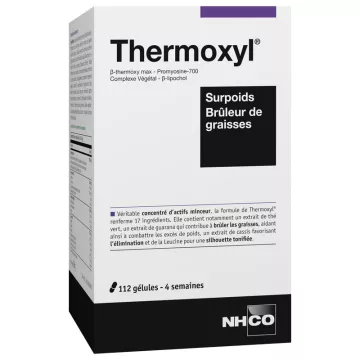
NHCO Thermoxyl Weight Management Fat Burner, 112 capsules NHCO Thermoxyl Weight Management Fat Burner, 112 capsules
€37.90
Shipped within 24h
Biocyte Slimming Fat Burner Morosil 240 g Biocyte Slimming Fat Burner Morosil 240 g
€26.75
Shipped within 24h
NHCO Aminoscience Carnitine CoA Fat Metabolism 100 capsules NHCO Aminoscience Carnitine CoA Fat Metabolism 100 capsules
€29.90
Shipped within 24h
Chili Burn Natural Chili Pepper by New Nordic Chili Burn Natural Chili Pepper by New Nordic
€29.99
Shipped within 24h
Biocyte Weight Loss Burner, 60 capsules Biocyte Weight Loss Burner, 60 capsules
€20.27
Shipped within 24h
Forte Xtraslim 700 Men Fat Burner 120 capsules Forte Xtraslim 700 Men Fat Burner 120 capsules
€43.39
Shipped within 24h
LT Labo Mincifacil Organic Fat-Burning Drink for Weight Loss LT Labo Mincifacil Organic Fat-Burning Drink for Weight Loss
250 ml 500 ml
€16.10
Add to cart
Shipped in 5 to 7 working days
CALOTROPIS GIGANTEA pellets Boiron homeopathy CALOTROPIS GIGANTEA pellets Boiron homeopathy
7 C 9 C
€2.99
Add to cart
In stock - preparation within 1 to 2 working days

What is body fat, and what is its role?

Body fat refers to the proportion of adipose tissue in body composition. It performs essential physiological functions: energy storage, thermal insulation, mechanical protection of organs, and hormonal regulation. Fat cells (adipocytes) produce leptin, a hormone that regulates appetite and energy expenditure. Insufficient body fat disrupts the production of sex hormones and compromises fertility; excess fat, particularly around the abdomen, promotes chronic inflammation, insulin resistance, and increases cardiovascular risk. The goal, therefore, is not to eliminate it, but to maintain it within a range appropriate for the individual’s profile.

What is the ideal percentage of body fat?

Reference values vary by sex, age, and level of physical activity. As a general guide:

  • Men: between 10% and 20% for a healthy body composition; between 2% and 5% for so-called essential fat (brain, bone marrow, cell membranes).
  • Women: between 18% and 28% overall; between 10% and 13% for essential fat, which is higher due to reproductive needs.

Visceral fat, located around the abdominal organs, is more harmful than subcutaneous fat and is a more reliable marker of metabolic risk than BMI alone. A flat stomach often reflects a reduction in this deep fat.

How can you effectively measure your body fat?

There are several methods for assessing body composition:

  • Bioelectrical impedance analysis (bioelectrical impedance scales): quick and accessible, it estimates body fat by measuring the electrical resistance of tissues. However, its accuracy is influenced by hydration levels.
  • Skinfold caliper measurement: measuring skinfolds using a caliper; useful for athletic training but operator-dependent.
  • DEXA (dual-energy X-ray absorptiometry): the gold standard method, it distinguishes between body fat, lean mass, and bone density with high precision.

How can you reduce body fat without losing muscle?

The most effective strategy combines a slight energy deficit, adequate protein intake, and a mix of physical activities. Lean protein sources (poultry, eggs, legumes) preserve muscle mass during fat loss, which is crucial for maintaining resting metabolic rate. Combining cardio and strength training optimizes fat burning while preventing muscle loss. Plant-based compounds such as green tea, known for its thermogenic properties, can support energy expenditure. At the same time, targeted drainage helps reduce water retention, which is often mistaken for excess body fat.

What is the link between body fat and blood sugar levels?

Visceral fat is closely linked to insulin resistance: the fatty acids released by this tissue disrupt hepatic insulin signaling, leading to elevated fasting blood sugar levels and, ultimately, an increased risk of type 2 diabetes. Stabilizing blood sugar levels—through a low-glycemic-index diet rich in fiber and protein—helps limit visceral fat storage and reduce associated systemic inflammation.

What mistakes should be avoided when managing body fat?

Some common approaches are counterproductive:

  • Severe calorie restriction: This leads to muscle loss and a slowed metabolism, which hinders long-term results.
  • Neglecting protein: Adequate protein intake is essential for preserving lean body mass throughout any fat-loss program.
  • Focusing solely on superficial cellulite while ignoring visceral fat, which has a greater impact on metabolic and cardiovascular health.
  • Underestimating the role of sleep: a lack of rest raises cortisol levels, a hormone that promotes the storage of abdominal fat.