Apricots are one of the richest plant sources of beta-carotene, a precursor to vitamin A. One hundred grams of dried apricots provide up to 2,163 µg of retinol equivalents, which is well above the recommended daily intake (800 µg according to the EFSA). Vitamin A plays a role in vision, the maintenance of epithelial tissues (skin, mucous membranes), immune system function, and cell differentiation. As a dietary supplement, apricot extracts—often combined with other carotenoids—are formulated to support these functions without the risk of overdose associated with beta-carotene intake (a form that is not stored in the body at toxic doses, unlike preformed retinol).
Apricots are naturally rich in dietary fiber (2 g/100 g when fresh, up to 7 g/100 g in dried form), primarily pectins and hemicelluloses. These soluble fibers form a viscous gel in the intestine that slows the absorption of carbohydrates, regulates postprandial blood sugar levels, and nourishes the colonic microbiota. They help maintain regular bowel movements by increasing stool volume and reducing transit time, without causing harsh laxative effects. Dried apricots are particularly recommended to help with periods of slow bowel movement, as part of a short-term regimen integrated into a balanced diet.
The beta-carotene and vitamin C found in apricots work synergistically to combat oxidative stress. Beta-carotene is a fat-soluble antioxidant that protects cell membranes from peroxidation and provides photoprotection. Vitamin C regenerates oxidized vitamin E, stimulates collagen synthesis, and inhibits melanogenesis. These combined active ingredients help delay visible skin aging and preserve the skin’s radiance. When taken internally as a dietary supplement, they effectively complement topical antioxidant skincare products.
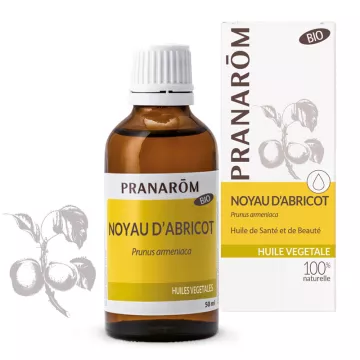
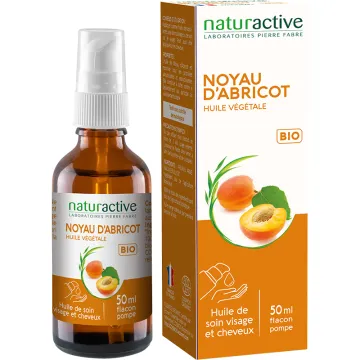
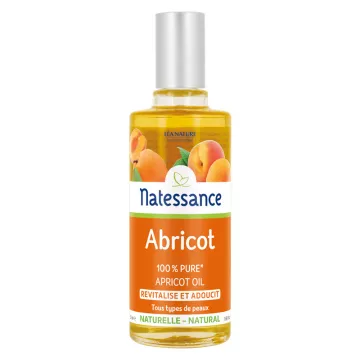
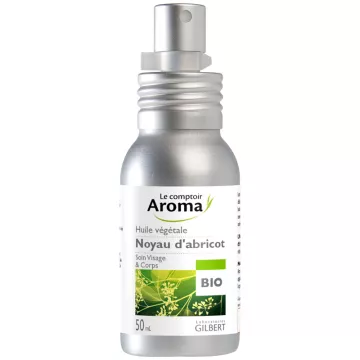
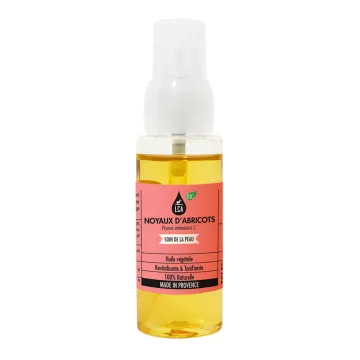
Apricot oil, extracted by cold-pressing the kernels, is a light vegetable oil rich in oleic acid (60–70%) and linoleic acid (25–30%). These unsaturated fatty acids quickly penetrate the epidermis without leaving an oily film, nourish keratinocytes, and strengthen the skin barrier. Apricot kernel oil is suitable for dry, sensitive, and mature skin, as well as for weakened hair as a leave-in conditioner. Slightly more fluid than sweet almond oil, it can be applied undiluted or incorporated into homemade serums. It is not intended for dietary use, and the cosmetic-grade cold-pressing process removes any amygdalin residues present in the raw kernels.
Apricot oil is a source of folate (vitamin B9) and iron, both of which are beneficial during pregnancy: folate contributes to the development of the fetal neural tube; iron helps prevent iron-deficiency anemia, which is common during pregnancy. As a dietary supplement, beta-carotene-based formulas are preferable to preformed vitamin A (retinol), as an overdose of retinol is teratogenic. However, apricot pits should never be eaten: the amygdalin they contain breaks down into hydrogen cyanide during digestion, which is toxic even in small doses. This contraindication is absolute and applies to everyone, not just pregnant women.
Low in calories (about 48 kcal/100 g when fresh), apricots are beneficial for weight management thanks to their moderate glycemic index (GI ≈ 34) and high fiber content, which helps you feel full longer. In their dried form, the calorie density is higher (240 kcal/100 g), but the content of fiber, minerals (potassium, magnesium), and beta-carotene remains concentrated. When used as a dietary supplement, apricot pectin extracts may help moderate postprandial carbohydrate absorption and support digestive balance conducive to weight management, without stimulating effects or the risk of drug interactions.