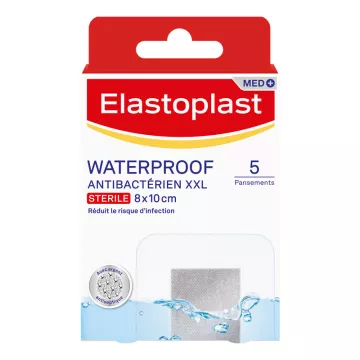
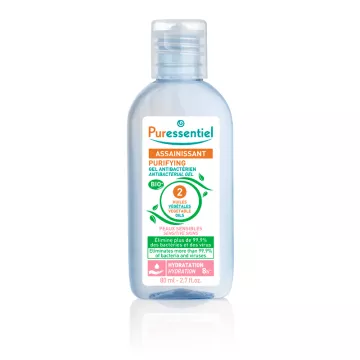
An antimicrobial agent is any substance capable of killing or inhibiting the growth of microorganisms—bacteria, viruses, fungi, or parasites. In over-the-counter medicine and herbal medicine, this term encompasses both skin antiseptics and medicinal plants with antimicrobial properties used to prevent and support the treatment of mild viral and bacterial infections. Antibiotics, on the other hand, are a subcategory of antimicrobial agents reserved for prescription medications that specifically target bacteria—they should never be used for self-medication.
The mechanisms of action vary depending on the substance: some agents disrupt the bacterial cell membrane (alcohols, chlorhexidine), others inhibit protein or genetic material synthesis (antibiotics), and still others act through osmotic action (Manuka honey) or by releasing volatile active compounds (essential oils). This diversity of modes of action is precisely what makes natural substances complementary to one another in a preventive approach.
Distinguishing between these categories is essential for safe use. Antiseptics are formulated for application to living tissues—skin and mucous membranes—to reduce the local microbial load: aqueous chlorhexidine, povidone-iodine, and 70° ethyl alcohol. Disinfectants, on the other hand, are intended for use on inanimate surfaces and must never be applied to the skin. Both of these categories fall under the pharmacy and medical supplies sections and are available in the store’s range of disinfectants and antiseptics.
As for natural substances, propolis stands out for its broad-spectrum antibacterial and antiviral activity, documented in vitro, thanks to its flavonoids (pinocembrin, galangin)—it is used as an ENT spray or in capsules to support the body during the winter. Manuka honey (with a standardized MGO/UMF rating) exerts local antimicrobial activity through methylglyoxal and the release of hydrogen peroxide, making it particularly useful for treating minor wounds. Tea tree essential oil (terpinen-4-ol) and oregano essential oil (carvacrol) have broad-spectrum antibacterial and antifungal properties, but must always be diluted before topical application and are contraindicated for pregnant women and children under six years of age.
Resistance to antimicrobial agents is one of the major public health challenges of the 21st century. It develops when microorganisms mutate through repeated exposure to antimicrobial substances, rendering them ineffective. For antibiotics, this resistance is accelerated by self-medication, premature discontinuation of treatment, or their use in viral infections—for which they are completely ineffective. When taking antibiotics, it is essential to complete the prescribed course of treatment and to take probiotics to protect the disrupted gut microbiota.
For natural antimicrobial substances, targeted use for a limited duration (5 to 10 days maximum) is also recommended to minimize any risk of resistance and preserve their effectiveness. Handwashing with soap and water remains the gold standard for prevention, superior to the routine daily use of hand sanitizers outside of high-risk settings.Echinacea and vitamin C support the immune response as preventive measures, complementing direct antimicrobial agents, without the risk of bacterial resistance. In the event of a confirmed, febrile, or persistent infection, a medical consultation remains essential.