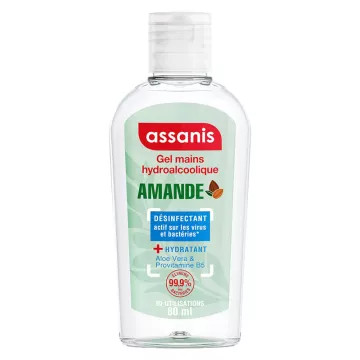
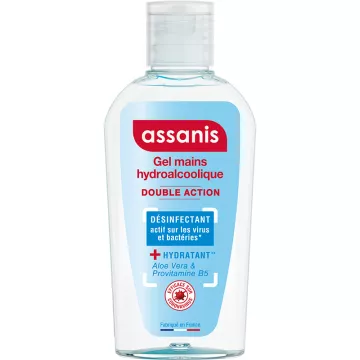
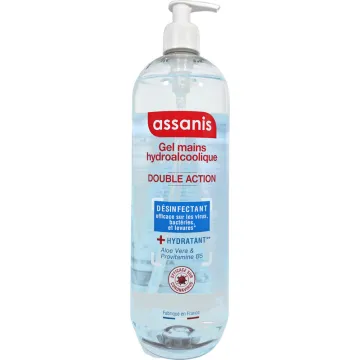
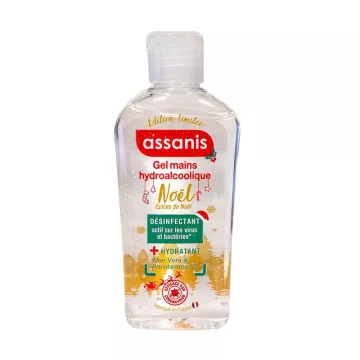
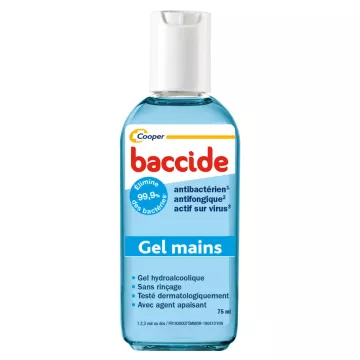
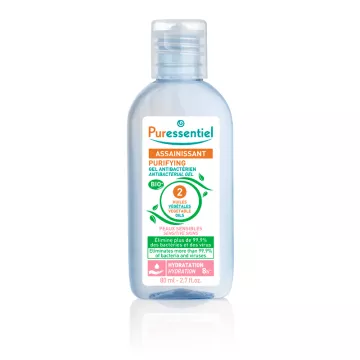
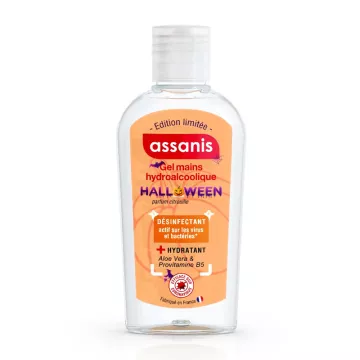
Antibacterial gel, or hydroalcoholic gel, is a hand sanitizer designed for hand hygiene when soap and water are not available. It is composed of ethyl alcohol (ethanol) at a concentration between 60% and 95%—the minimum concentration recommended by the WHO for virucidal and bactericidal effectiveness is 60%. The alcohol works by denaturing the membrane proteins of bacteria and enveloped viruses (influenza, respiratory viruses, herpesviruses), causing their destruction in less than 30 seconds of active rubbing. Hydroalcoholic gels are available in the store’s line of disinfectants and antiseptics.
It is important to distinguish between hand sanitizer and washing with soap. Washing with soap and water remains superior in several situations:
For all other situations—quick hand-to-hand contact in a clean environment, prevention of common skin and mucous membrane infections —antibacterial gel is a perfectly suited hygiene tool, with a broad spectrum of action and good skin tolerance thanks to the moisturizing agents (aloe vera, glycerin) included in modern formulations.
The gel’s effectiveness depends entirely on the rubbing technique. Apply a sufficient amount (about 3 mL, the equivalent of a generous pea-sized amount) to the palm of a dry hand, then rub both hands together for at least 20 to 30 seconds, covering all surfaces:
Let it dry without wiping it off—the alcohol must complete its antibacterial action as it evaporates. A few important precautions: the gel is flammable and must be kept away from open flames immediately after application. It should not be applied to the face or mucous membranes. For children under 3 years of age, wash hands with mild soap under adult supervision—accidental ingestion of alcohol is toxic. If you are taking antibiotics or have a weakened immune system, the gel remains useful as a supplement to good general hygiene that supports the immune system.
To choose an effective hydroalcoholic gel, check the following first:
Healthcare professionals and frequent users should be sure to alternate with handwashing with soap to prevent contact dermatitis caused by repeated exposure to alcohol. From an environmental perspective, prioritize refillable bottles, biodegradable formulations free of persistent benzalkonium chloride, and recyclable plastic packaging. Use of the gel should be limited—excessive use can disrupt the skin microbiome, the body’s first natural barrier against infection, and does not strengthen the immune system, unlike a healthy lifestyle overall.