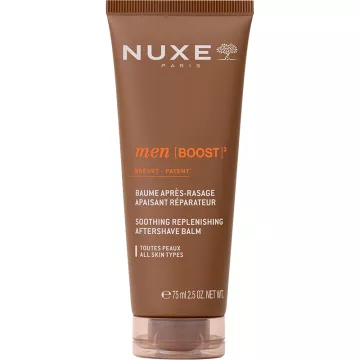
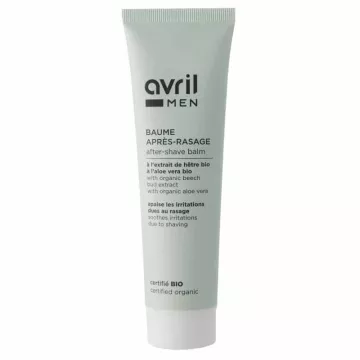
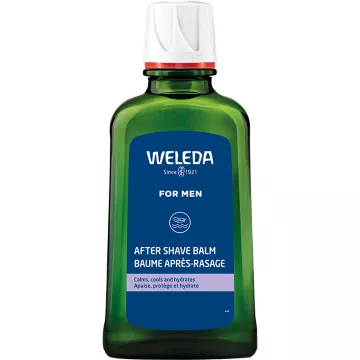
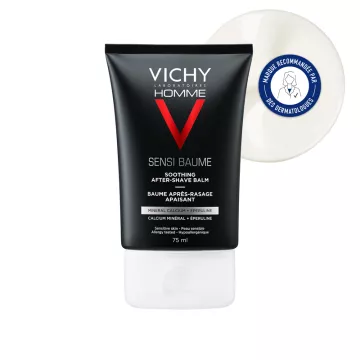
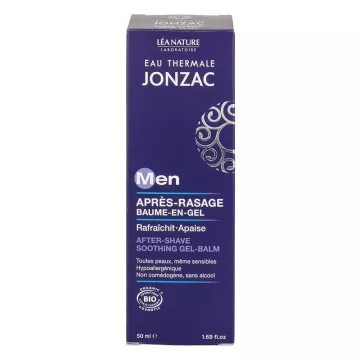
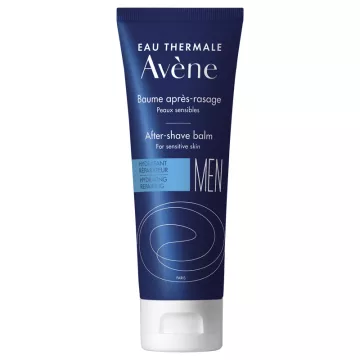
An aftershave balm: How is it different from a lotion?
After-shave balm is an emollient and restorative skincare product whose formula differs fundamentally from traditional lotions:
- Balm: a rich texture based on plant-derived butters or oils. Forms an occlusive film that reduces transepidermal water loss (TEWL), which is increased by the friction of the razor blade. Ideal for dry, sensitive skin or skin exposed to extreme weather conditions.
- Alcohol-based lotion: contains ethyl alcohol (30–60%), which has a rapid antiseptic effect but is drying and can cause chronic irritation—not recommended for daily use.
- Aqueous gel: Lightweight and fast-absorbing, suitable for oily skin. Less restorative than balm for dry skin.
- Dry oil: absorbs quickly without leaving a greasy residue—a middle ground between balm and lotion, ideal as a summer aftershave.
Does D-panthenol accelerate skin repair after shaving?
Dexpanthenol (D-panthenol, 1–5%), a provitamin B5 converted into intracellular pantothenic acid, is the most well-documented reparative active ingredient in post-shave skincare. It stimulates fibroblast proliferation and keratinocyte migration, accelerating the healing of micro-lesions. It increases the synthesis of type I and III collagen in the papillary dermis and reduces TEWL by 20 to 30% by improving the cohesion of corneocytes weakened by shaving. Its synergy with allantoin and bisabolol is well established in professional post-shave formulations.
Retinol or peptides for an anti-aging aftershave?
Paradoxically, men’s skin that is shaved regularly is better exfoliated—creating an ideal environment for penetrating anti-aging ingredients:
- Retinol (0.025–0.1%) stimulates cell turnover and collagen synthesis. After shaving, micro-traumatized skin is more permeable—amplifying both efficacy and the potential for irritation. Start with a low concentration and apply only in the evening (photosensitizing). Avoid areas with micro-cuts.
- Signaling peptides (Matrixyl/palmitoyl pentapeptide-4) stimulate collagen and elastin via fibroblast membrane receptors without causing photosensitivity or irritation—a gentler alternative for a daily balm.
Do resveratrol and hemp protect shaved skin?
Two complementary antioxidants for next-generation aftershaves:
- Resveratrol (0.1–1%) activates SIRT1 and Nrf2, inducing the production of glutathione and skin superoxide dismutase. It protects dermal collagen exposed to oxidative stress from repeated shaving and inhibits NF-kB, reducing chronic erythema in skin shaved daily.
- Hemp oil (Cannabis sativa, 0% THC) is rich in linoleic acid (55%) and GLA (4%). Its CBD, in legal full-spectrum formulations, activates cutaneous CB2 receptors, reducing pro-inflammatory cytokines in post-traumatic keratinocytes. Non-comedogenic.
Does niaouli support skin immunity in aftershave care?
Better tolerated than tea tree oil in post-shave applications, niaouli essential oil (Melaleuca quinquenervia, ct 1,8-cineole) offers a dual benefit. Its 1,8-cineole stimulates phagocytosis by subcutaneous macrophages and induces the production of antimicrobial peptides (defensins) in keratinocytes, strengthening local skin immunity without alcohol or harsh ingredients. Its mild analgesic activity (terpineol) reduces post-shave heat and discomfort. At 0.5 to 1% in a light balm, it protects even sensitive skin without causing irritation.
How to formulate an optimized natural aftershave balm?
A comprehensive natural aftershave balm combines active ingredients based on their stages of action:
- Immediate repair phase (0–30 min): D-panthenol (3%), allantoin (0.5%), bisabolol (0.2%)—heals micro-lesions and reduces inflammation.
- Protective phase (0–8 hours): shea butter (10–20%), hemp oil (5%), high-molecular-weight hyaluronic acid (0.5%)—forms an occlusive film and provides prolonged hydration.
- Anti-aging phase (cumulative effect): retinol (0.05%, evenings only) or signaling peptides (3%) + resveratrol (0.5%) — collagen stimulation and antioxidant protection.
- Preventive antiseptic phase: niaouli essential oil (0.5%) or true lavender (0.3%) — alcohol-free, non-drying.