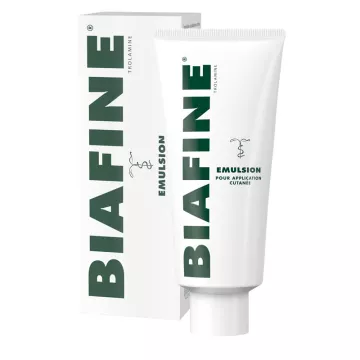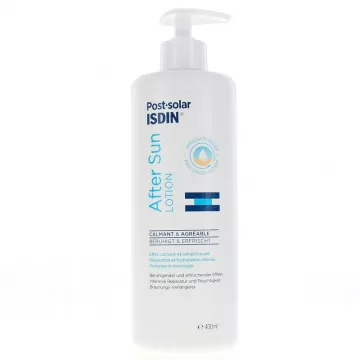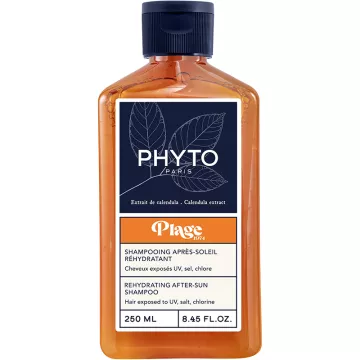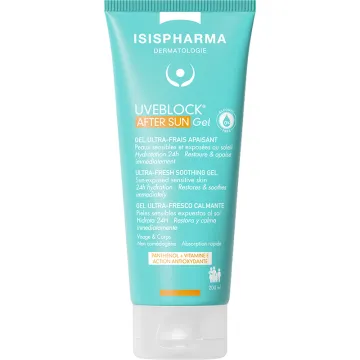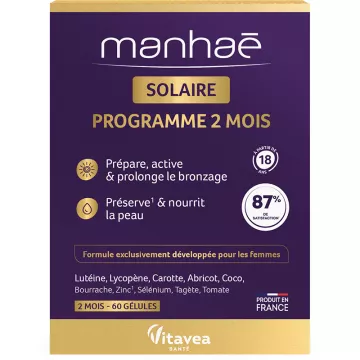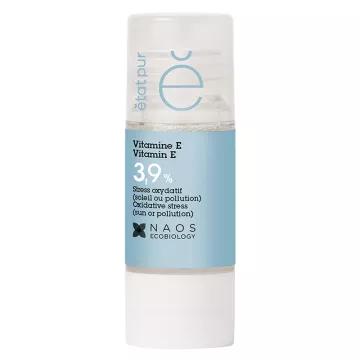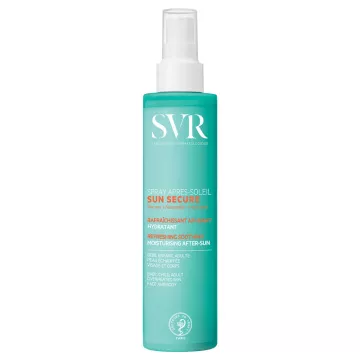
After-sun care is an important step in your skincare routine following sun exposure.
It is designed to soothe, hydrate, and support the comfort of skin exposed to UV rays; UV rays can cause sunburn, skin dehydration, and accelerate photoaging.
Used as a cosmetic supplement, it helps soothe feelings of discomfort, rehydrate the skin, and visibly support its renewal.
In cases of severe sunburn (extensive area, blisters, fever, malaise, vomiting—especially in children or the elderly), consult a doctor: a cosmetic after-sun product is never a substitute for medical care.
After-sun products contain active ingredients known to soothe and moisturize the skin:
To maximize the benefits of an after-sun product, follow these steps:
Ideally, apply the product to skin that is still slightly damp to optimize the penetration of the active ingredients.
An after-sun treatment can be applied immediately after each sun exposure, then reapplied as needed.
For skin that’s been particularly stressed (vacations, outdoor sports, days spent outdoors), applying it morning and night for 3 to 7 days is generally recommended.
On skin that feels visibly hot or tight, applying the product several times a day can help maintain skin comfort.
For skin that is accustomed to the sun or has had minimal sun exposure, one application per day is sufficient to maintain hydration.
Regular use of an after-sun treatment provides several cosmetic benefits that become visible over time:
After-sun care is a cosmetic product designed for comfort and hydration: it does NOT prevent skin cancer and does not repair damage already caused to cellular DNA.
Skin cancer prevention relies on protection BEFORE sun exposure: broad-spectrum sunscreen with an SPF of at least 30 (SPF 50 recommended), protective clothing, a hat, sunglasses, and avoiding peak sun hours (noon to 4 p.m. in the summer).
Regular dermatological screenings are recommended for people with fair skin, a personal or family history of skin cancer, or numerous moles.
After-sun care remains a useful supplement, but it is never a substitute for properly applied sunscreen.
After-sun products specifically formulated for children are available and can soothe their sensitive skin after sun exposure.
Choose pediatric formulas that are fragrance-free, hypoallergenic, and made with gentle ingredients such as aloe vera, panthenol, or calendula.
Infants under 6 months: avoid direct sun exposure; if an infant gets sunburned, consult a pediatrician immediately.
If a child has a sunburn (extensive redness, blisters, fever, restlessness), consult a doctor or pediatrician.
Several signs may indicate that an after-sun treatment is working effectively:
The perceived effectiveness is generally visible after the first few applications and increases with regular use over a few days.
An allergic reaction to an after-sun product requires immediate action:
Signs of a reaction: severe redness, itching, rashes, a burning sensation, swelling.
Using an after-sun product is still beneficial even without visible sunburn.
Sun exposure—even when protected and without redness—dehydrates the skin and weakens it due to UV-induced oxidative stress.
After-sun care restoreshydration, soothes subtle sensations of heat, and supports daily skin comfort.
It also helps your tan last longer by reducing premature peeling of the skin.
After-sun products are generally well-tolerated by most skin types.
Some individuals may experience potential side effects: redness, itching, rashes, tingling, or a burning sensation.
Always perform a skin test on the inner elbow 48 hours before first use, especially if you have allergic or highly reactive skin.
If you experience a severe or persistent reaction, stop using the product and consult a dermatologist.
Several natural alternatives can complement an after-sun treatment, but should be used with caution:
These alternatives are not a substitute for a treatment specifically formulated for extensive or painful sunburn that requires medical attention.
After-sun care can generally be combined with other cosmetic products (moisturizers, serums, targeted treatments).
Wait until the after-sun treatment is completely absorbed (3 to 5 minutes) before applying another product to avoid interactions.
If you are currently undergoing topical medical treatment (corticosteroids, antibiotics, prescription retinoids), consult your doctor or pharmacist before combining it with a cosmetic product.
Avoid exfoliating acids (AHAs, BHAs) or concentrated active ingredients (retinol, pure vitamin C) for 24–48 hours after sunburn, on sensitive skin.
To choose an after-sun product suited to your skin type, consider the following criteria:
Check the full ingredient list (INCI) and choose brands that are transparent about their certifications and traceability.
The shelf life of an after-sun product generally ranges from 6 to 12 months after opening, depending on the formula and the preservatives it contains.
Store the product in a cool, dry place, away from direct light and heat, which can degrade the active ingredients.
Always check the PAO (period after opening) indicated on the packaging (often symbolized by an open jar with a number followed by an “M”).
If the product changesin appearance, color, or smell, stop using it and replace it.