Tolerance refers to the phenomenon whereby the body requires increasing doses of a substance to achieve the effect initially experienced—it is a biological adaptation mechanism distinct from addiction, which additionally involves an intense physical or psychological need to use the substance to avoid withdrawal symptoms. Tolerance develops in several stages: initial exposure produces a noticeable effect, then repeated exposure leads to the body’s adaptation (desensitization of receptors, modulation of neurotransmitter production) that gradually reduces this effect, prompting an increase in dose or frequency to recapture the initial sensations—a potentially dangerous cycle if not recognized in time.
The most characteristic signs include a gradual increase in the amount consumed, a growing preoccupation with obtaining the substance, and repeated failed attempts to cut back. Certain medications with psychoactive or analgesic properties—opioids, benzodiazepines, and some ADHD treatments—carry a documented risk of addiction, warranting strict medical oversight of prescriptions.
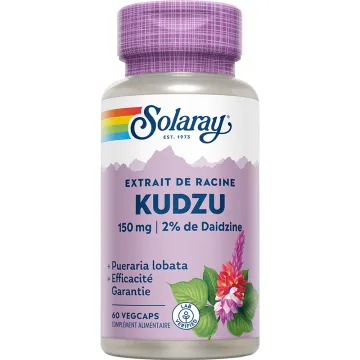
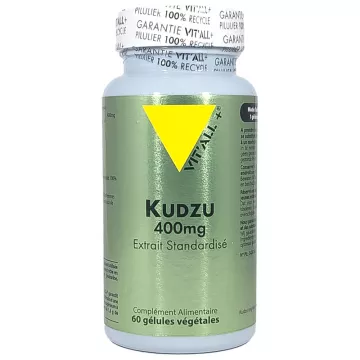
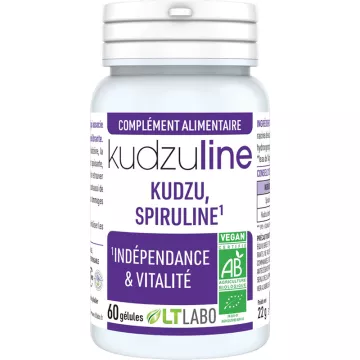
Kudzu (Pueraria lobata) is the go-to plant in herbal medicine for supporting withdrawal, particularly studied in the context of alcohol use—its isoflavones (puerarin, daidzin) modulate the activity of certain enzymes involved in alcohol metabolism, which may help reduce cravings for the substance. Caution is advised during pregnancy, breastfeeding, and regarding potential interactions with hormone therapies due to its phytoestrogenic activity—a consultation with a pharmacist is recommended before starting any treatment.
In gemmotherapy, fig tree buds, combined with walnut and apple tree buds in cessation formulas, are traditionally used for their soothing effect on the nervous and digestive systems during the tapering-off or cessation phases of alcohol use. Specifically for supporting smoking cessation, homeopathic granules (combination formulas) offer a gentle complementary approach with no known drug interactions.
Withdrawal places significant demands on the body, both nutritionally and neurologically. Spirulina, rich in protein, iron, and antioxidants, supports overall recovery and vitality during this challenging period—particularly helpful in cases of fatigue associated with withdrawal. Vitamin B5 (pantothenic acid) plays a role in cellular energy metabolism and supports the adrenal glands, which are under strain due to the stress of the process.
From an environmental perspective, several factors significantly influence the risk of addiction and the chances of successful withdrawal: an environment where substance use is normalized increases the risk, while active support from those around the individual (family, friends, healthcare professionals) is a documented protective factor. The withdrawal process, when it involves a prescription medication, must always be carried out under medical supervision by gradually reducing the dose—see the “Withdrawal” page for guidelines specific to each substance, and “Smoking Cessation” for support specifically related to quitting smoking. These natural approaches complement but never replace medical support tailored to the specific substance involved.