Withdrawal refers to the process of stopping the use of an addictive substance—such as medications, alcohol, tobacco, or other drugs—and managing the resulting physical and psychological symptoms. These symptoms vary depending on the substance but frequently include headaches, nausea, anxiety, tremors, excessive sweating, irritability, and sleep disturbances. For certain substances, such as opioids or alcohol, symptoms can be significantly more severe and require urgent medical attention.
Acute symptoms generally last from a few days to a week, but some effects—particularly cravings—may persist for several months. The duration and intensity depend on the substance used, the duration and amount of previous use, as well as the person’s overall health.
Unsupervised withdrawal can be dangerous, even life-threatening, for certain substances—this is essential information to know before attempting to stop using them. Benzodiazepines, opioids, and especially alcohol carry severe withdrawal risks: seizures, hallucinations, delirium (delirium tremens for alcohol), and, in extreme cases, death. For these substances, a preliminary medical consultation is mandatory—withdrawal must take place under supervision, sometimes in a hospital setting, and never entirely on one’s own.
In contrast, quitting smoking, while challenging, is generally less physically dangerous and can be managed at home in most cases—see the page dedicated to smoking cessation. This variation in severity depending on the substance explains why no generalizations can be made: each withdrawal process requires an individualized assessment of its potential risks.
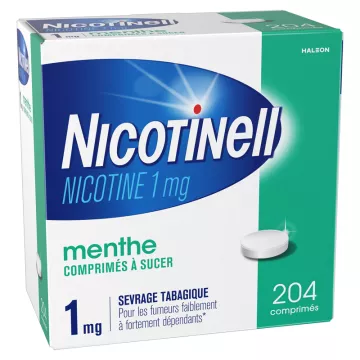
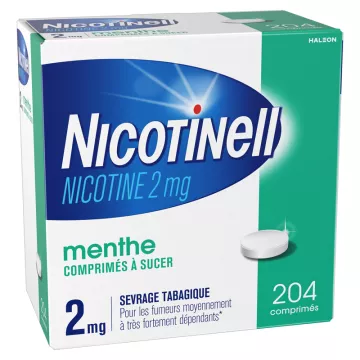
Medical treatments vary depending on the substance: methadone or buprenorphine for opioids, specific supervised protocols for alcohol and benzodiazepines, and nicotine replacement therapies for tobacco. Behavioral therapy generally accompanies these treatments to identify and modify behaviors related to addiction, and rehabilitation programs offer intensive and ongoing support for the most severe addictions.
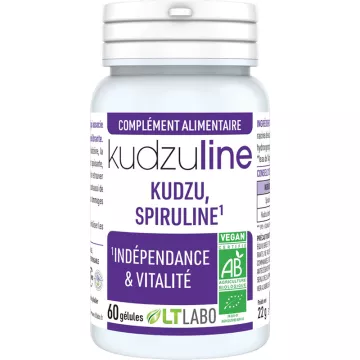
In addition to medical care tailored to the specific substance, several natural approaches can help alleviate mild withdrawal symptoms:
To prevent relapse after successful withdrawal, several strategies are essential: avoid situations and triggers associated with substance use, maintain a strong support network (loved ones, support groups such as Narcotics Anonymous or Alcoholics Anonymous), continuing therapy and follow-up treatments, and adopting a healthy lifestyle that includes regular exercise and activities that promote mental well-being. If you have any doubts about the severity of an addiction or the safety of withdrawal, contacting a doctor, a specialized addiction treatment center, or a dedicated helpline remains the safest course of action.