Discover Symphytum officinale, the homeopathic remedy for treating bone, joint, and tendon disorders. Promote the regeneration and repair of your bones and joints gently and naturally with our granules.
Symphytum Boiron: Discover the Benefits of Comfrey in Homeopathy
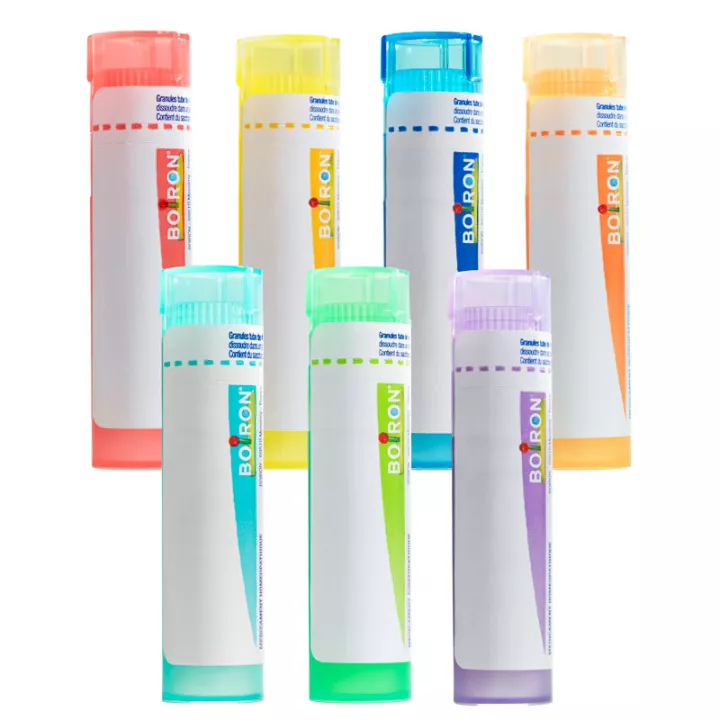
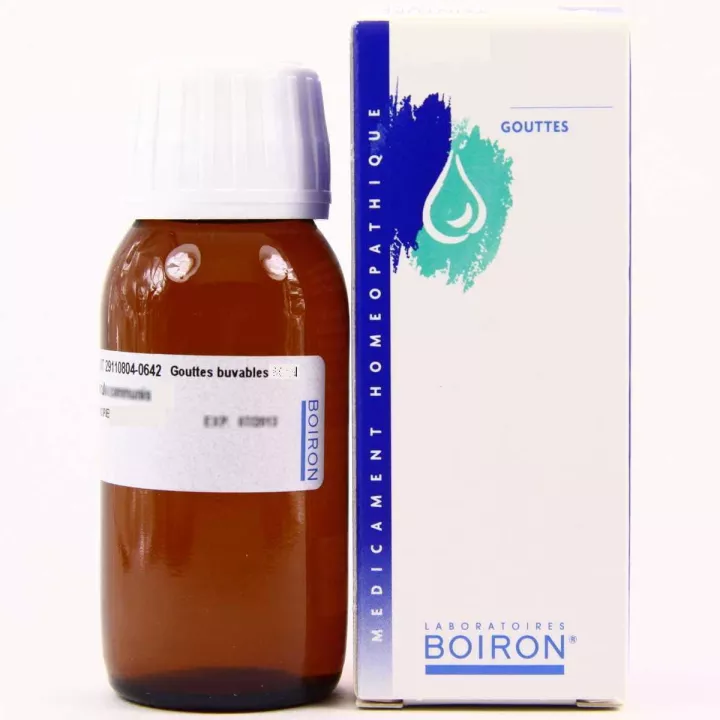
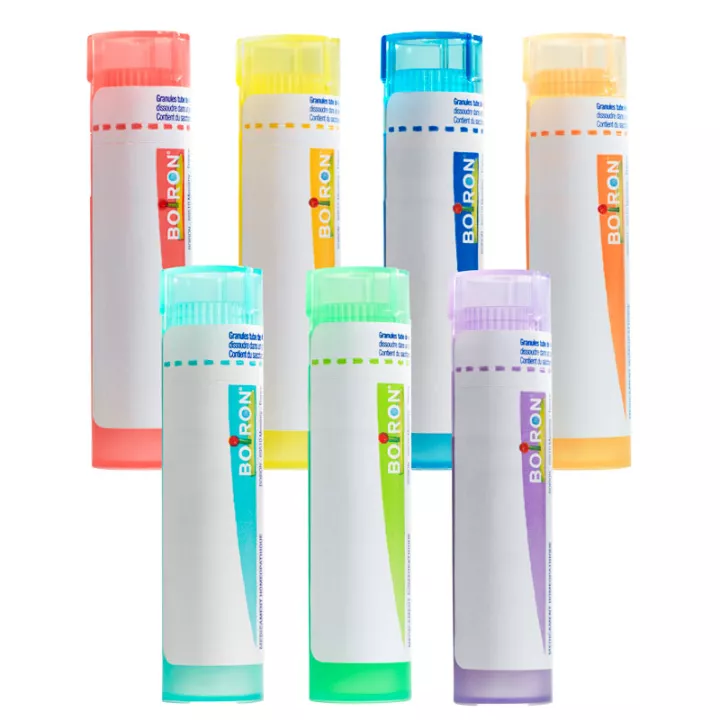
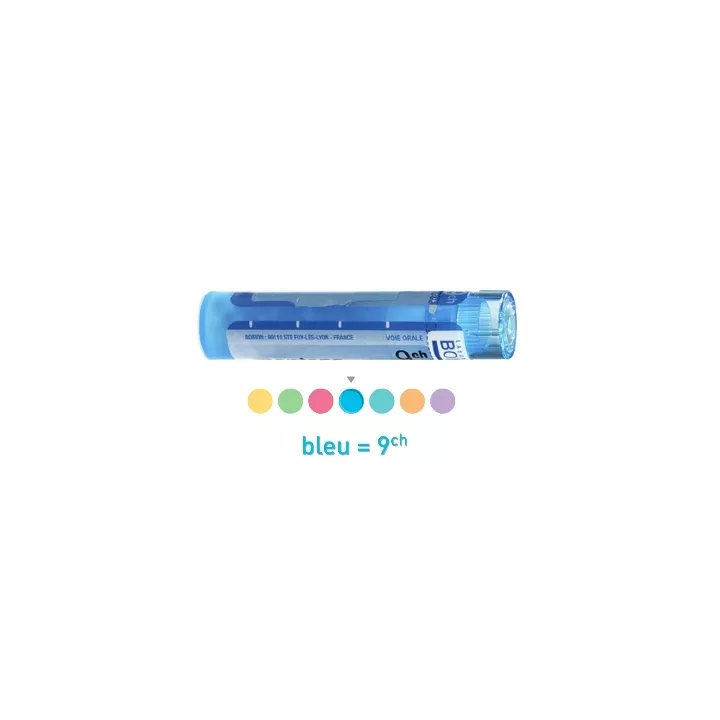
Symphytum officinale 5CH, 7CH, 9CH, 15CH, 30CH, 200K, 1,000K, 10,000K—homeopathic single-dose packets or tubes of Boiron granules
Registered medication: EH00964
Origin: Plant-based
Available in Korsakovian dilutions of 200K, 1,000K, 10,000K
Homeopathy is a branch of alternative medicine that has garnered attention for its natural remedies and gentle solutions to everyday ailments. Among these treasures of nature, Symphytum stands out for its exceptional properties, derived directly from comfrey. This plant, often called “donkey’s ear” or “cow’s tongue,” is a mainstay of natural medicine thanks to its active compounds—rosmarinic acid and allantoin—which give it remarkable therapeutic properties.
Common Comfrey: A Treasure of Nature
Native to Europe, common comfrey is a perennial plant that holds ancient healing secrets. Its high content of rosmarinic acid and allantoin makes it a powerful ally in the healing process, offering astringent and anti-inflammatory benefits. These components give Symphytum its crucial role in natural medicine, especially regarding bone regeneration following trauma.
The Healing and Anti-Inflammatory Properties of Symphytum
Thanks to its active ingredients, Symphytum is a first-choice homeopathic remedy for promoting bone healing following trauma, a fracture, or even in cases of delayed union. Its ability to stimulate the bone repair process makes it an indispensable component in the treatment of injuries requiring rapid and effective recovery.
Homeopathic Applications: Beyond Wound Healing
Beyond its benefits for bones, Symphytum is also used in the treatment of various conditions. It is often prescribed for disorders affecting the eyeball as a natural and gentle remedy. Similarly, its beneficial effects extend to cases ofalgodystrophy and tendinitis, where its anti-inflammatory properties can significantly improve the patient’s well-being.
Synergy with Other Homeopathic Remedies
In some cases, the effectiveness of Symphytum can be enhanced by combining it with other homeopathic remedies. Remedies such as Calcarea phosphorica or Arnica montana Boiron 9 CH are often used in conjunction with Symphytum to optimize healing results, particularly in treatments aimed at repairing damaged tissue or relieving pain.
Homeopathic Indications for Symphytum Boiron
The homeopathic physician selects the dilution and dosage appropriate for the patient’s health condition and characteristic symptoms. Single-dose homeopathic globules can be used for a variety of symptoms; therefore, it is not possible to specify the indications and dosage for a particular preparation.
Common Comfrey: Origin and Properties
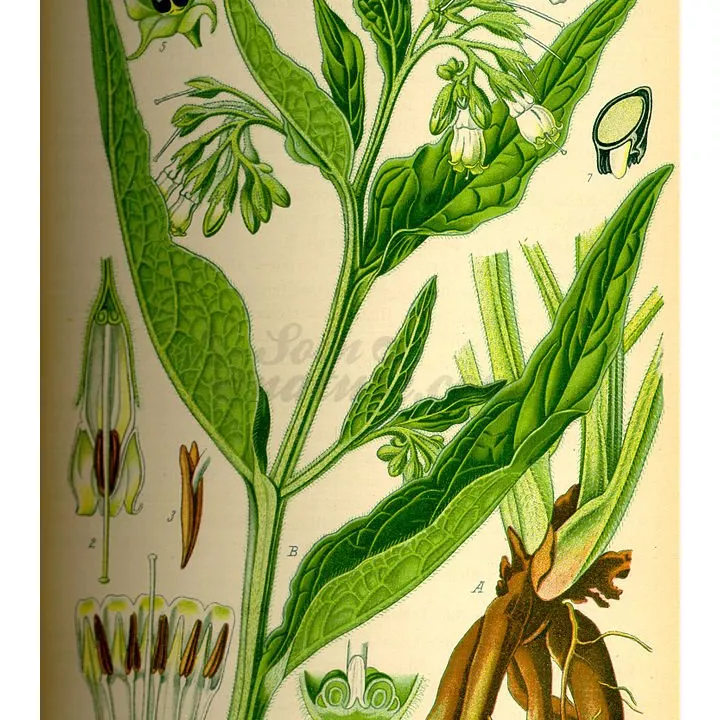
Symphytum is derived from common comfrey, a European plant belonging to the Boraginaceae family. Also known as “donkey’s ear” or “cow’s tongue,” this perennial plant has a long history of use for its many therapeutic applications. The Symphytum mother tincture is primarily extracted from the underground parts of comfrey; it effectively combats inflammation and promotes healing thanks to two key components: rosmarinic acid and allantoin.
Applications in Traumatology: When to Use Symphytum?
Symphytum’s reputation in traumatology is well established. This remedy is particularly recommended in several situations:
- Fractures and Bone Healing: Its ability to accelerate the healing of fractures—including in cases of delayed union—makes it the treatment of choice to complement conventional therapies.
- Specific Bone Injuries: For injuries such as a clavicle fracture, taking Symphytum significantly reduces pain and promotes faster recovery.
- Algodystrophy: This condition, characterized by joint and bone disorders following intense physical activity, finds a powerful ally in Symphytum for symptom relief.
- Musculoskeletal Disorders: Conditions such as Achilles tendinitis also benefit from the therapeutic properties of Symphytum, offering a path to relief and healing.
- Eye Injuries: The impact of violentblows and their consequences can be significantly mitigated with this remedy, demonstrating its versatility and effectiveness.
FAQ:
How many granules of Symphytum officinale 9CH should I take for a bone fracture?
The dosage of Symphytum officinale 9CH may vary depending on the severity of the fracture and your healthcare professional’s recommendations. In general, the recommended dosage is 3 granules under the tongue 3 times a day. However, it is essential to consult a doctor for a personalized prescription.
What are the benefits of Symphytum officinale 9CH compared to traditional treatments for bone fractures?
Symphytum officinale 9CH offers a natural and gentle alternative to promote the healing of bone fractures. Unlike some conventional treatments, our homeopathic granules do not cause any unwanted side effects. They work in harmony with the body to stimulate bone regeneration.
How long does it generally take to see improvement in algodystrophy with Symphytum officinale 9CH?
The speed of results may vary from person to person and depends on the severity of the algodystrophy. However, many users have reported an improvement in their symptoms after a few weeks of regular treatment with Symphytum officinale 9CH.
Directions for Use, Dosage, and Instructions
Remove the tab, turn the single-dose tube upside down, and gently pull the cap. Place all the granules from the dose under the tongue. It is recommended not to touch the homeopathic granules with your fingers.
The globules in the single-dose tubes are absorbed all at once by allowing them to dissolve slowly under the tongue. If a single-dose tube is not available, take 10 granules of the same dilution. It is recommended to use a mint-free toothpaste (such as Boiron’s Homéodent).
Dosage Protocols with Symphytum for Traumatic Injuries: A Comprehensive Guide
The use of homeopathic medicine, particularly Symphytum, offers a preferred approach to managing various types of trauma, including bone fractures, delayed union, post-traumatic pain, eye injuries, algodystrophy, and tendinitis. To get the most out of this treatment, it is essential to follow the recommended dosages.
Bone Healing and Fractures
- Symphytum 6 DH: To accelerate bone healing after a fracture or in cases of delayed union, it is recommended to dilute 20 drops in pure water and take the mixture twice daily, at noon and in the evening, for one month.
- Calcarea phosphorica 9 CH: For greater effectiveness, combine Symphytum with Calcarea phosphorica; taking 5 granules morning and evening for one month ideally completes the treatment.
Tendinitis
To effectively relieve tendinitis, it is recommended to take 2 granules of each of the following remedies simultaneously:
Bone Pain Management
- Symphytum 5 CH: For acute pain following a fracture, the recommendation is to take 5 granules four times a day until the pain subsides.
- Symphytum 4 CH: For persistent pain after the fracture has healed, taking 5 granules in the morning and evening can provide significant relief until there is noticeable improvement.
Eye Trauma
- Symphytum 4 CH: For eye injuries, it is recommended to take 5 granules every hour, gradually spacing out the doses as improvement occurs.
Algodystrophy
-
Symphytum 7 CH: In cases of severe algodystrophy, taking 5 granules twice daily is recommended.
-
Calcarea phosphorica 15 to 30 CH: For more severe conditions, combine this with the main treatment, taking two to four doses per month, depending on the severity.
Comfrey, thanks to its properties that stimulate bone callus formation and its soothing effects on bone pain, is a natural choice for accelerating the healing of fractures and relieving bone trauma.
The Use of Symphytum officinale by Boxers:
Boxers, in particular, can benefit from Symphytum officinale in cases of eye injuries. Comfrey is renowned for its soothing effect on eye contusions and injuries. However, its use in this context must be supervised by a healthcare professional.
The herbal nature of Symphytum officinale makes it a safe and effective choice for accelerating the healing of bone injuries and trauma, offering a gentle and natural alternative to conventional treatments.
Be sure to consult a healthcare professional for personalized advice on the use of Symphytum officinale and its combination with other treatments, based on your specific situation. Speed up your recovery with Boiron’s Symphytum officinale.
Packaging and Contents
- Translucentsingle-dose tube of globules (allows you to see the remaining granules). Weight: 1 g.
- Translucent tube of granules (allows you to see the remaining granules). Weight: 4 g. Approximately 80 granules.
- Available in Korsakovian dilutions of 200K, 1,000K, and 10,000K
Symphytum officinale: A Plant-Based Remedy Listed in the Pharmacopoeia
Symphytum officinale is a homeopathic remedy of plant origin that possesses distinct characteristics as a medication. In this article, we will explore this remedy in detail, highlighting its official inclusion in the French and European Pharmacopoeias, as well as its availability in the form of doses, drops (alcohol-based), tubes, and compounded preparations.
Plant-Based Origin
Symphytum officinale is of plant origin, meaning it is prepared from specific plant substances. This unique origin gives it specific properties that make it a distinct homeopathic remedy.
Registered Medication: EH00964
Symphytum officinale is registered under number EH00964 as a homeopathic medicine. Furthermore, it is listed in the French and European Pharmacopoeias, which underscores its quality and compliance with established standards. Patients can therefore be assured of this medicine’s efficacy and safety.
Available in Doses, Drops (alcohol), and Tubes
Symphytum officinale is available in doses of various dilutions, including 4 CH, 5 CH, 7 CH, 9 CH, 15 CH, and 30 CH, offering a convenient option for precise administration. It is also available in drops (alcohol) at 6 DH and in tubes at 4 CH, 5 CH, 7 CH, 9 CH, 12 CH, 15 CH, 30 CH, 5 DH, and 6 DH, thus offering a variety of dilutions to address various medical conditions.
Availability in Compounded Formulations and Dilutions
In addition, Symphytum officinale is available as compounded preparations, allowing practitioners to tailor treatment to each patient’s individual needs. It is also available in Hahnemannian dilutions starting at 3 CH, as well as in Korsakovian dilutions at 200K, 1,000K, and 10,000K, thereby expanding the options available to practitioners of natural medicine.
Symphytum officinale is a plant-based homeopathic remedy listed in the French and European Pharmacopoeias that offers a variety of treatment options. Its listing and registration guarantee its quality and safety. Available in doses, drops (alcohol-based), tubes, compounded preparations, and dilutions, it can be adapted to a wide range of medical conditions, offering a valuable option for those seeking homeopathic treatment solutions.
Precautions for Use
Warning
Contains sucrose. Storesingle-dose homeopathic medicines away from light, heat, moisture, and any source of fragrance.
Administering single-dose homeopathic granules to infants and children
Forsingle-dose packets or alcohol-based drops, dissolve them in 100 ml of water.
Homeopathy and Pregnancy
Single-dose homeopathic remedies in potencies of 200K, 1,000K, and 10,000K have no chemical toxicity, no contraindications, no interactions with other medications, and no adverse effects related to the amount ingested.
Pregnant women can use these remedies without any known risk to themselves or their unborn child, but it is best to consult your pharmacist or homeopathic physician if you have any doubts.
Frequency of Homeopathic Use
For acute conditions, it is recommended to take Boiron single-dose homeopathic remedies every hour until symptoms improve. Once symptoms improve, space out doses to 3 or 4 times a day, then gradually stop.
For chronic conditions, remedies in low dilutions (greater than 9CH) are taken 1 to 2 times a day, while single-dose constitutional remedies are taken once a week or even once a month. This decision is up to your homeopath.
What to Do If There Is No Improvement Within 24 Hours
Certain conditions cannot be treated with homeopathy through self-medication alone. Your medical doctor will determine whether your condition can be treated with homeopathy alone or whether your treatment should be supplemented with allopathic medicine.