What are the benefits of Eric Favre Lactobacillus gasseri?
Lactobacillus gasseri is a species of lactic acid bacteria in the Lactobacillaceae family. It is part of the microbiota found in the oral, vaginal, and intestinal mucous membranes of humans.
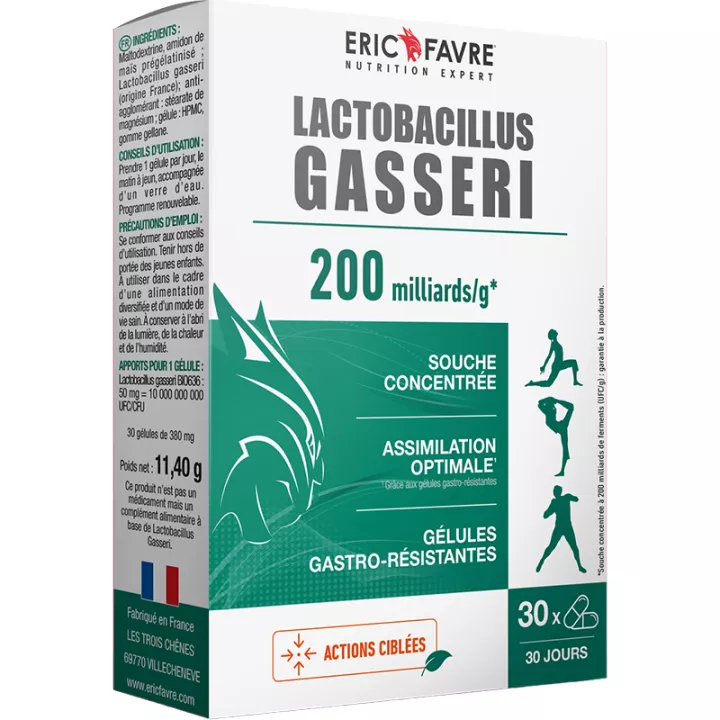
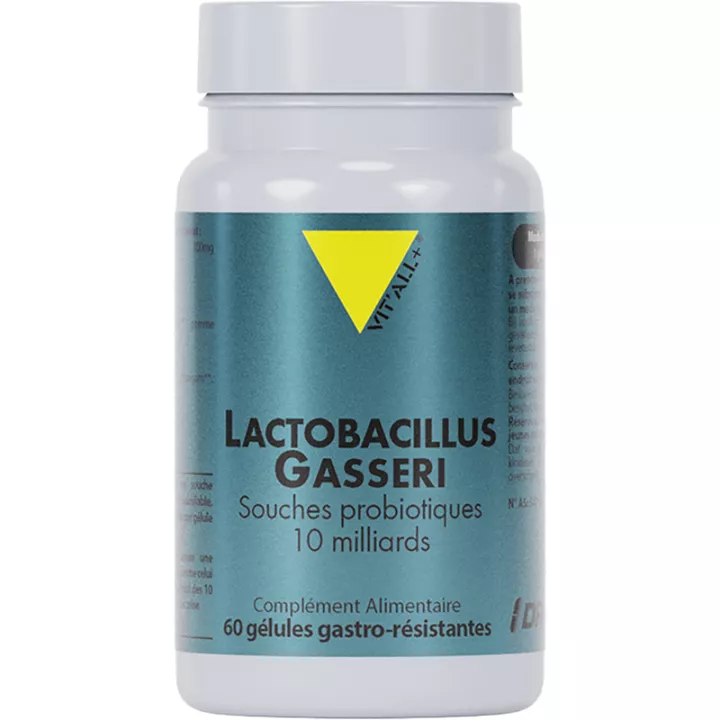
Eric Favre’s Lactobacillus Gasseri 200 Billion is a dietary supplement containing a unique probiotic with weight-loss benefits. Lactobacillus gasseri is an ideal weight-loss ally for those seeking to eliminate localized belly fat.
- Ultra-concentrated: 10 billion probiotics in 1 capsule
- Enteric-coated vegetarian capsules
- Optimal absorption
The Lactobacillus gasseri bacterium is an ideal weight-loss ally for those seeking to eliminate localized belly fat. Its effectiveness has been scientifically measured in a Japanese study.
- Enteric-coated capsules
- Optimal absorption
- 200 billion bacteria per capsule
- Eric Favre’s patented capsules protect the bacteria from the stomach’s gastric acid. This ensures the active ingredients are preserved and better absorbed by the intestines.
We also offer Organic Green Tea (20 Teabags) from Eric Favre, a laboratory specializing in fitness, at the best price in our online pharmacy.
How to use these probiotics correctly?
Take 1DRCaps®capsule daily, in the morning on an empty stomach, with a glass of water. Renewable program
Share your feedback on the usage instructions and dosage for ERIC FAVRE Lactobacillus Gasseri 10 Billion 30 Capsules with our partner Verified Reviews after your purchase.
What are the side effects and contraindications?
- Follow the usage instructions.
- Keep out of reach of young children.
- Use as part of a varied diet and healthy lifestyle.
- Store away from light, heat, and moisture.
What are the ingredients in this supplement?
Fillers: maltodextrin, pregelatinized cornstarch; Lactobacillus gasseri; anti-caking agent: magnesium stearate; capsule: HPMC, gellan gum.
Nutritional Information per 1DRCaps®capsule:
Lactobacillus gasseri 50 mg = 10,000,000,000 CFU
Packaging
Box of 30 capsules.
Advice from your expert pharmacist
Lactobacillus gasseriis a probiotic that has been the subject of recent studies. A Japanese study (* "Regulation of abdominal adiposity by probiotics (Lactobacillus gasseri SBT2055) in adults with obese tendencies in a randomized controlled trial") has notably demonstrated its effects onblood sugar regulation, weight loss, and abdominal fat loss. L. gasseri helps thicken the intestinal mucosal barrier and modifies the chemical signals from the digestive system, thereby altering how the body processes fat and sugar. This probiotic is therefore a valuable supplement to a healthy diet and physical activity toboost weight loss.
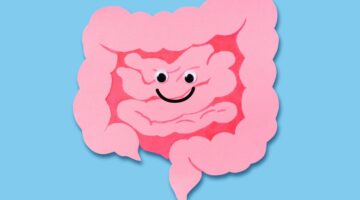
The gut microbiota, also known as the gut flora, plays a crucial role in regulating body weight and metabolism. Composed of billions of microorganisms, such as bacteria, archaea, and fungi, the microbiota has a significant influence on how our bodies store and metabolize nutrients. This complex interaction between the microbiota and the human host has sparked growing interest in understanding its impact on weight loss and weight gain.
Influence on Nutrient Absorption
The gut microbiota plays a role in the breakdown and absorption of nutrients from food. Certain bacterial strains have the ability to break down complex dietary fibers into simpler compounds, such as short-chain fatty acids. These fatty acids are then absorbed by the intestine and can influence feelings of fullness, thereby regulating the amount of food consumed.
Fatty Acid Metabolism
Studies have shown that the microbiota can influence fatty acid metabolism. Certain bacterial strains are associated with increased production of short-chain fatty acids, which are involved in regulating lipid metabolism and blood glucose levels. These short-chain fatty acids can also influence the release of hormones that regulate appetite, such as leptin and ghrelin.
Inflammation and Weight Regulation
An imbalanced microbiota, known as dysbiosis, has been linked to chronic inflammation. Chronic inflammation can interfere with weight regulation mechanisms by disrupting hormonal signaling and impairing the metabolic response to insulin. This can promote excessive fat storage and weight gain.
Effect on Appetite-Regulating Hormones
The microbiome can influence the production of hormones involved in regulating appetite and satiety. For example, certain gut bacteria can stimulate the production of hormones that send satiety signals to the brain, thereby reducing food intake. On the other hand, an imbalance in the microbiome could lead to excessive production of hormones that promote appetite, potentially resulting in weight gain.
Response to Diet
Research suggests that the composition of the microbiota can influence how our bodies respond to different diets. Some individuals may lose weight more effectively on a specific diet due to the interaction between their microbiome and the nutrients they consume. This finding highlights the importance of tailoring diets to each individual’s microbiome composition.