0
Menu
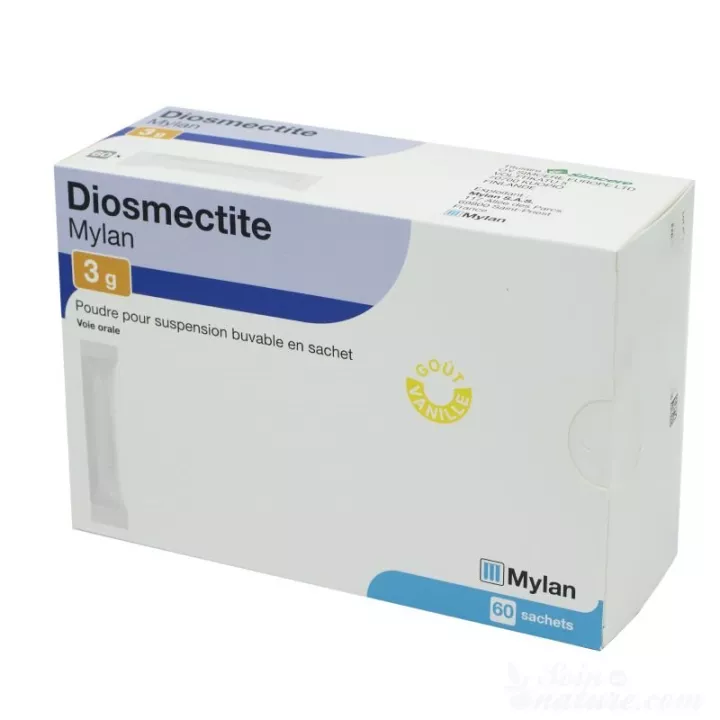
Diosmectite 3 g acute diarrhea Mylan sachets Diosmectite 3 g acute diarrhea Mylan sachets
Over-the-counter medication

Diosmectite 3 g acute diarrhea Mylan sachets

Brand : Mylan Viatris Mylan Viatris

Diosmectite 3 g Mylan 30 sachets relieves acute to chronic diarrhea. This non-prescription medication is available in our pharmacy.

€3.22 EXCL. VAT €3.54 INCL. VAT
This product is an over-the-counter medication. Please consult the package insert before ordering online.
In stock Shipped within 24h Secure payment
Reference : 3400939482255
5 / 5
(4Reviews)
You must be logged in to add this product to a list. Customer login
See delivery conditions

Our doctors of pharmacy advise you

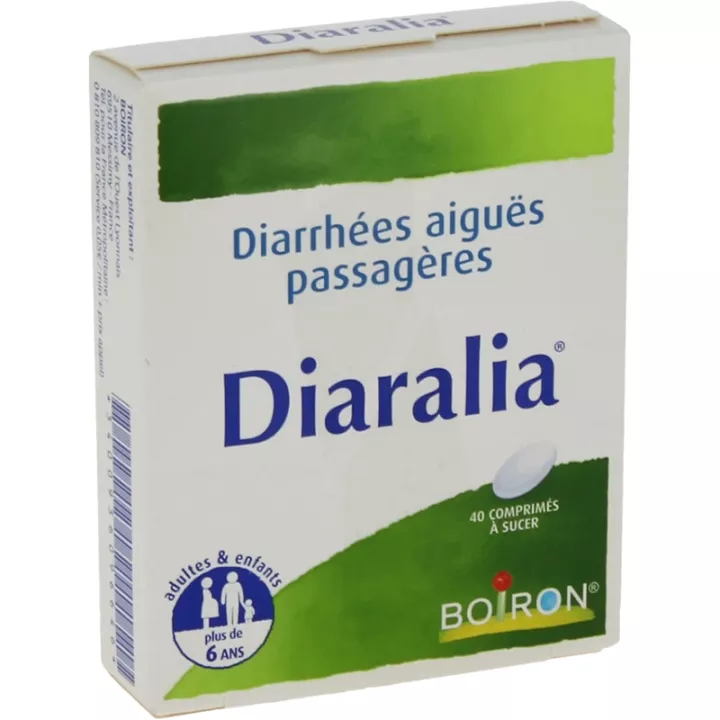
Diaralia Boiron Acute diarrhea 40 tablets Diaralia Boiron Acute diarrhea 40 tablets
€6.99
Shipped within 24h
Smectalia Anti Diarrhea 18 Sachets Orange Vanilla Flavor Smectalia Anti Diarrhea 18 Sachets Orange Vanilla Flavor
€4.35
Shipped within 24h
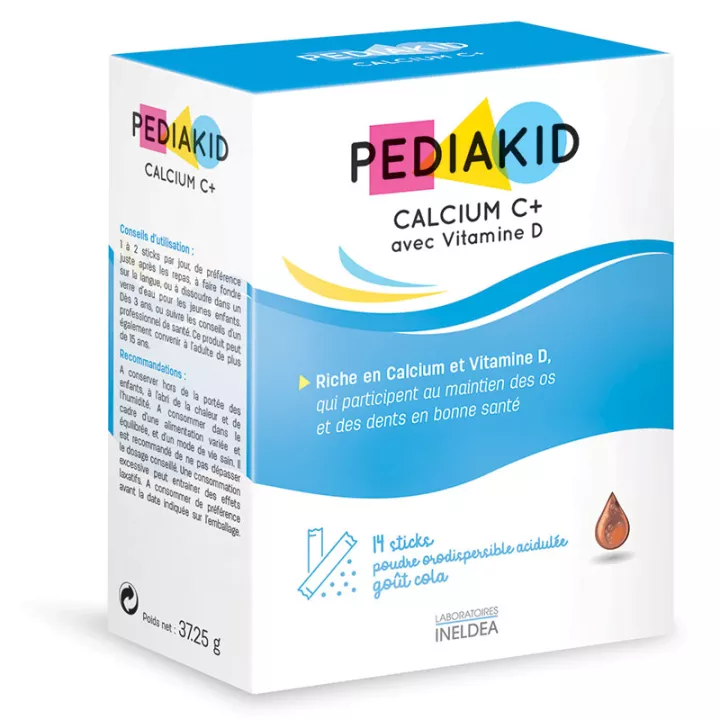
Pediakid Calcium C+ 14 Sticks Pediakid Calcium C+ 14 Sticks
€9.49
Shipped within 24h
China regia 7C 9C 15C 30C Dose Homeopathy Boiron China regia 7C 9C 15C 30C Dose Homeopathy Boiron
5 C Single dose 200 globuli +
€2.79
Add to cart
In stock - preparation within 1 to 2 working days
Ultrabiotique Instant Slows transit Ultrabiotique Instant Slows transit
€7.59
Shipped within 24h
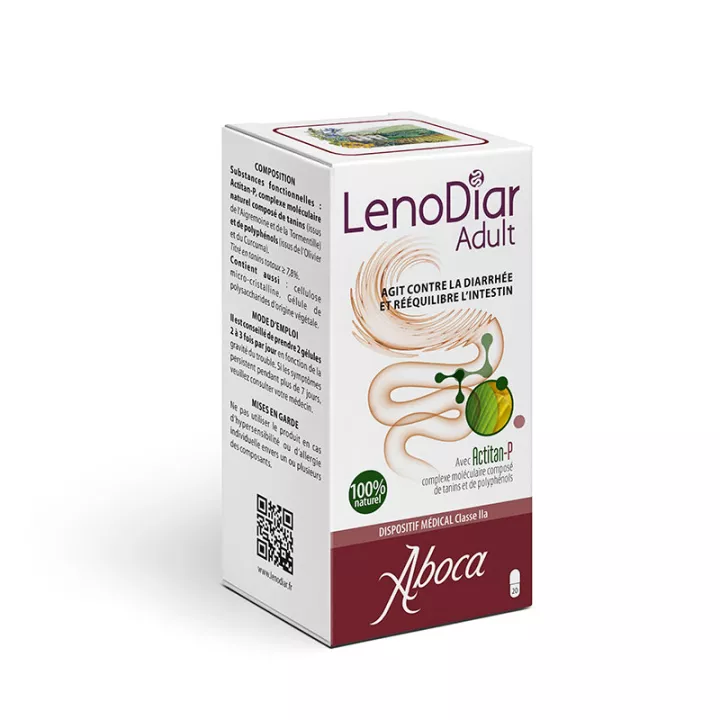
Aboca LenoDiar Adult Diarrhea intestinal balance 20 capsules Aboca LenoDiar Adult Diarrhea intestinal balance 20 capsules
€13.90
Shipped in 5 to 7 working days

What are the indications for Diosmectite 3 g Mylan 30 sachets?

This medicine is indicated for the treatment of

  • acute diarrhea in children over 2 years of age, in addition to oral rehydration, and in adults
  • chronic (long-term) diarrhea in adults
  • pain associated with functional bowel disease in adults

Effective treatment for all types of diarrhoea

Diarrhea, whether acute or chronic, can be extremely uncomfortable and disrupt your daily routine. Fortunately, Diosmectite 3 g Mylan is here to provide fast, effective relief. This non-prescription medication is specially designed to treat all types of diarrhea, whether occasional or persistent. Don't let diarrhea hold you back. Choose Diosmectite 3 g Mylan for optimal intestinal comfort.

Targeted action for soothed digestion

Diosmectite 3 g Mylan forms a protective gel around the intestinal wall, reducing the frequency and intensity of diarrhoea. Its unique formula absorbs the toxins and pathogens responsible for digestive disorders, allowing you to safely return to soothed digestion. Trust Diosmectite 3 g Mylan for fast, long-lasting relief from diarrhea.

Available in our pharmacy for your convenience

Your digestive well-being is our priority. That's why we offer Diosmectite 3 g Mylan in our pharmacy. You can purchase this medication with confidence, knowing that it offers effective diarrhea relief without a prescription. Don't let intestinal problems bother you. Get Diosmectite 3 g Mylan today and regain the digestive comfort you deserve.

How do I use Diosmectite 3 g Mylan 30 sachets?

Take by mouth.

Read instructions before use.

The contents of the sachet must be suspended just before use.

  • Treatment of acute diarrhoea:
    • For children aged 2 and over, the contents of the sachet can be diluted in 50 ml of water, spread over the course of the day, or mixed with a semi-liquid food (porridge, compote, purée, "petit-pot", etc.):
      • 4 sachets a day for 3 days , then
      • 2 sachets a day for 4 days
    • For adults, the contents of the sachet can be diluted in half a glass of water at a rate of :
      • 3 sachets per day for 7 days (the dosage may be doubled at the start of treatment).
  • Other indications :
    • Adults
      • 3 sachets per day on average

Share your opinion about Diosmectite Mylan conseil 30 sachets with our partner Verified Reviews after your purchase.

What ingredients does this product contain?

Diosmectite: 3 g per sachet

Notable excipients : aspartam (E951), glucose

See leaflet for more information.

Precautions for use

  • Keep out of sight and reach of children.
  • Not subject to medical prescription.

Presentation - Packaging

1 box of 30 sachets

How long does it take to feel the effects of Diosmectite 3 g Mylan?

The effects of Diosmectite 3 g Mylan may vary from person to person, but generally, you may feel relief from diarrhea within the first few hours of taking it.

Can I take Diosmectite 3 g Mylan with other medications?

It is recommended that you consult your doctor or pharmacist before taking Diosmectite 3 g Mylan with other medications to avoid potential interactions.

Are there any side effects associated with the use of Diosmectite 3 g Mylan?

Side effects from Diosmectite 3 g Mylan are rare, but may include mild gastrointestinal upset. If you experience persistent side effects, please consult your health care professional.

Is Diosmectite 3 g Mylan suitable for pregnant or breastfeeding women?

It is recommended that you consult a healthcare professional before taking Diosmectite 3 g Mylan during pregnancy or breastfeeding to determine if it is appropriate for your specific situation.

Can I use Diosmectite 3 g Mylan long-term?

It's best not to use Diosmectite 3 g Mylan long-term without the advice of a healthcare professional. If your symptoms persist, consult your doctor.

Pharmacovigilance Report an adverse drug reaction(s)

Download PDF leaflet

NOTICE

ANSM - Updated on : 03/12/2021

Product name

DIOSMETITE VIATRIS 3 g, powder for drinkable suspension in sachet

Diosmectite

Sidebar

Please read this leaflet carefully before taking this medicine, as it contains important information for you.

You must always take this medicine exactly as instructed in this leaflet or by your doctor or pharmacist.

- Keep this leaflet. You may need to read it again.

- Ask your pharmacist for advice and information.

- If you experience any side effects, talk to your doctor or pharmacist. This also applies to any side effects not mentioned in this leaflet. See section 4.

- You should contact your doctor if you do not feel any improvement or if you feel less well.

What does this leaflet contain?

1. What is DIOSMECTITE VIATRIS 3 g, powder for drinkable suspension in sachet and what is it used for?

2. What do I need to know before taking DIOSMECTITE VIATRIS 3 g, powder for drinkable suspension in sachet?

3. How should DIOSMECTITE VIATRIS 3 g, powder for drinkable suspension in sachet, be taken?

4. What are the possible side effects?

5. How to store DIOSMECTITE VIATRIS 3 g, powder for drinkable suspension in sachet?

6. Package contents and other information.

1. WHAT IS DIOSMECTITE VIATRIS 3 g, powder for drinkable suspension in sachet AND WHAT IS IT USED FOR?

Pharmacotherapeutic class: OTHER INTESTINAL ADSORBENTS - ATC code: A07BC05.

This medicine contains the active substance diosmectite.

Diosmectite is a purified natural clay that covers the digestive mucosa. This medicine is indicated for the treatment of

- acute diarrhea in children over 2 years of age , as a complement to oral rehydration, and in adults ;

- chronic (long-lasting) diarrhea in adults;

- pain associated with functional bowel disease in adults.

2. WHAT DO I HAVE TO KNOW BEFORE TAKING DIOSMECTITE VIATRIS 3 g, powder for drinkable suspension in sachet?

Never take DIOSMECTITE VIATRIS 3 g, powder for drinkable suspension in sachet :

- if you are allergic to the active substance or to any of the other ingredients of this medicine, as listed in section 6 ;

- in case of phenylketonuria (hereditary disease detected at birth), due to the presence of aspartam.

Warnings and precautions

Infants and children under 2 years of age: DIOSMECTITE VIATRIS should not be used.

In children over 2 years of age: DIOSMECTITE VIATRIS should only be used for the treatment of acute diarrhoea (7 days maximum), in association with the early administration of oral rehydration solution (ORS). Chronic use of DIOSMECTITE VIATRIS should be avoided.

Adults: Prolonged or repeated use of DIOSMECTITE VIATRIS is not recommended without medical advice.

Talk to your doctor or pharmacist before taking DIOSMECTITE VIATRIS :

- if you have a history of severe constipation.

Consult your doctor:

- in case of acute diarrhea, if your symptoms do not improve or worsen after 3 days of treatment;

- if digestive pain is associated with fever or vomiting.

Children

DIOSMECTITE VIATRIS is reserved for children over 2 years of age, for the treatment of acute diarrhoea. It should be administered in association with the early administration of oral rehydration solution (ORS) to avoid dehydration. The duration of treatment should not exceed 7 days.

Additional dietary measures

This treatment is a complement to dietary rules:

- rehydrate with plenty of salty or sweet drinks, to compensate for fluid losses due to diarrhea (the average daily water intake for adults is 2 liters);

- continue to eat during diarrhea, excluding certain foods, particularly raw vegetables and fruit, green vegetables, spicy dishes, and iced foods or drinks;

- give preference to grilled meats and rice.

Other drugs and DIOSMECTITE VIATRIS 3 g, powder for drinkable suspension in sachet

Taking this medicine may reduce the absorption of other medicines taken at the same time. No medication should be taken at the same time as DIOSMECTITE VIATRIS.

If possible, DIOSMECTITE VIATRIS should be taken more than 2 hours apart from other medications.

Tell your doctor or pharmacist if you are taking, have recently taken or may take any other medicine.

DIOSMECTITE VIATRIS 3 g, powder for drinkable suspension in sachet with food, drink and alcohol

Not applicable.

Pregnancy and breast-feeding

DIOSMECTITE VIATRIS 3 g, powder for drinkable suspension in sachet is not recommended during pregnancy and breast-feeding.

If you are pregnant or breastfeeding, think you may be pregnant or are planning to become pregnant, ask your doctor or pharmacist for advice before taking this medicine.

Driving and use of machinery

No studies on the ability to drive vehicles and use machines have been performed. However, the expected effect is nil or negligible.

DIOSMECTITE VIATRIS 3 g, powder for drinkable suspension in sachet contains laspartam (E 951) and glucose.

This medicine contains 16 mg daspartam per sachet.

Laspartam contains a source of phenylalanine. May be dangerous for people with phenylketonuria (PKU), a rare genetic disorder characterized by the accumulation of phenylalanine which cannot be eliminated properly.

If your doctor has informed you of an intolerance to certain sugars, contact him/her before taking this medicine.

3. HOW DO I TAKE DIOSMECTITE VIATRIS 3 g, powder for drinkable suspension in sachet?

Always take DIOSMECTITE VIATRIS exactly as instructed in this leaflet, or as directed by your doctor or pharmacist. Check with your doctor or pharmacist if in doubt.

Dosage

Treatment of acute diarrhoea :

Children aged 2 and over: 4 sachets a day for 3 days, then 2 sachets a day for 4 days.

Adults:

On average 3 sachets a day for 7 days. In practice, the dosage may be doubled at the start of treatment.

Other indications

Adults:

An average of 3 sachets a day.

Method and route of administration

Oral administration.

The contents of the sachet must be suspended just before use.

Children:

The contents of the sachet can be diluted in a 50 ml bottle of water, or mixed with a semi-liquid food such as porridge, compote, purée or "petit-pot".

Adults:

The contents of the sachet can be diluted in half a glass of water.

If you have taken more DIOSMECTITE VIATRIS 3 g, powder for drinkable suspension in sachet, than you should have :

Taking too much DIOSMECTITE VIATRIS 3 g, powder for drinkable suspension in sachet may cause constipation, which usually disappears when the dose is reduced or treatment stopped. Consult your doctor or pharmacist.

If you forget to take DIOSMECTITE VIATRIS 3 g, powder for drinkable suspension in sachet:

Do not take a double dose to make up for the one you forgot to take.

If you stop taking DIOSMECTITE VIATRIS 3 g, powder for drinkable suspension in sachet :

Not applicable.

4. WHAT ARE THE POSSIBLE SIDE EFFECTS?

Like all medicines, this product may cause undesirable effects, but these do not always occur in everyone.

Undesirable effects which may occur with DIOSMECTITE VIATRIS are listed below in order of frequency.

Common (may occur in up to 1 in 10 people)

- Constipation

Uncommon (may occur in up to 1 in 100 people)

- Rash

- Vomiting

Rare (may occur in up to 1 in 1,000 people)

- Urticaria

Unknown frequency (cannot be estimated on the basis of available data)

- Allergic reaction which may manifest itself as reddening of the skin, itching, swelling of the face and throat, difficulty in breathing, malaise, collapse.

If you experience any of these signs, you should seek medical advice immediately.

Reporting side effects

If you experience any side effects, please tell your doctor or pharmacist. This also applies to any side effects not mentioned in this leaflet. You can also report adverse reactions directly via the national reporting system: Agence nationale de sécurité du médicament et des produits de santé (ANSM) and the network of Centres Régionaux de Pharmacovigilance.

By reporting adverse reactions, you are helping to provide more information on drug safety.

5. HOW TO CONSERVE DIOSMECTITE VIATRIS 3 g, powder for drinkable suspension in sachet?

Keep out of sight and reach of children.

Do not use this medicine after the expiration date indicated on the box and sachet. The expiration date refers to the last day of this month.

No special storage precautions.

Do not dispose of any medicine in the drain or with the household waste. Ask your pharmacist to dispose of any medicines you no longer use. These measures will help protect the environment.

6. CONTENTS AND OTHER INFORMATION

What DIOSMECTITE VIATRIS 3 g, powder for drinkable suspension in sachet, contains

- The active substance is :

Diosmectite.......................................................................................................................... 3 g

per sachet.

- The other components are :

Aspartam (E 951), glucose monohydrate, vanillin.

What DIOSMECTITE VIATRIS 3 g, powder for drinkable suspension in sachet, is and what it contains

This medicine comes in sachet form. Boxes of 18, 30 or 60 sachets.

Not all presentations may be marketed.

Marketing authorization holder

OY SIMCERE EUROPE LTD

VOLTTIKATU 5

70700 KUOPIO

FINLAND

Marketing authorization holder

VIATRIS SANTE

1 RUE DE TURIN

69007 LYON

Manufacturer

VIATRIS SANTE

1 RUE DE TURIN

69007 LYON

or

OY MEDFILES Ltd

VOLTTIKATU 5, VOLTTIKATU 8

KUOPIO FI-70210

FINLAND

Product names in member states of the European Economic Area

Not applicable.

The last date on which this leaflet was revised was :

[to be completed subsequently by the holder].

Other

Detailed information on this drug is available on the ANSM (France) website.

VIDAL DE LA FAMILLE

DIOSMECTITE VIATRIS

Fiche révisée le : 01/09/2022

Pansement digestif

Ce médicament est un générique de SMECTA.

.Présentations. Composition.Indications.Contre-indications.Attention.Interactions médicamenteuses.Grossesse et allaitement.Mode d'emploi et posologie. Conseils.Effets indésirables.Lexique

PRÉSENTATIONS  (sommaire)

DIOSMECTITE VIATRIS 3 g : poudre pour suspension buvable ; boîte de 18 sachets.
Non remboursé - Prix libre -

DIOSMECTITE VIATRIS 3 g : poudre pour suspension buvable ; boîte de 30 sachets.
Remboursé à 30 %. - prix : 2,47 euro(s).

DIOSMECTITE VIATRIS 3 g : poudre pour suspension buvable ; boîte de 60 sachets.
Remboursé à 30 %. - prix : 4,26 euro(s).

Laboratoire Viatris Santé

COMPOSITION  (sommaire)
 p sachet 
Diosmectite 3 g 
Aspartam 
Glucose 

INDICATIONS  (sommaire)
Ce médicament est un pansement digestif.
Il est utilisé dans le traitement symptomatique :
  • des diarrhées aiguës chez l'adulte, en complément des mesures diététiques, et chez l'enfant de plus de 2 ans, en complément de la réhydradation orale ;
  • des diarrhées chroniques et des douleurs de l'œsophage, de l'estomac, du duodénum ou du côlon chez l'adulte.
CONTRE-INDICATIONS  (sommaire)
Ce médicament ne doit pas être utilisé en cas de phénylcétonurie (présence d'aspartam).
ATTENTION  (sommaire)
Une diarrhée qui s'accompagne de torpeur, de soif, de fièvre, ou de sang dans les selles nécessite un avis médical rapide.
Chez l'enfant, la prise en charge de la diarrhée repose sur l'utilisation de solutés de réhydratation orale qui permettent d'éviter la déshydratation et la perte en sels minéraux. De plus, une diarrhée qui s'accompagne d'une perte de poids de plus de 5 % (signe de déshydratation) peut nécessiter des soins urgents.
N'utilisez pas ce médicament de façon prolongée sans l'avis de votre médecin : des examens peuvent être nécessaires si les symptômes persistent.
INTERACTIONS MEDICAMENTEUSES  (sommaire)
Ce médicament peut diminuer l'absorption de nombreux médicaments. Un délai d'au moins 2 heures (voire 4 heures avec les antibiotiques de la famille des quinolones) doit être respecté entre la prise de ce médicament et celle des autres traitements. Demandez conseil à votre médecin ou à votre pharmacien.
GROSSESSE et ALLAITEMENT (sommaire)
Les substances contenues dans ce médicament sont peu absorbées. Néanmoins, ne l'utilisez pas de façon prolongée pendant la grossesse ou l'allaitement sans l'avis de votre médecin ou de votre pharmacien.
MODE D'EMPLOI ET POSOLOGIE  (sommaire)
Ce médicament est pris de préférence après les repas pour les douleurs de l'œsophage, entre les repas pour les autres indications. Il peut être mélangé à de l'eau ou à un aliment semi-liquide (compote par exemple). Pour les enfants en bas âge, le contenu du sachet peut être dilué dans un biberon de 50 ml.

Posologie usuelle:

Diarrhées aiguës :
  • Adulte : 3 sachets par jour. La dose peut être doublée pendant les premiers jours.
  • Enfant de plus de 2 ans : 4 sachets par jour pendant 3 jours, puis 2 sachets par jour.
La durée du traitement ne doit pas dépasser 7 jours.
Diarrhées chroniques et des douleurs digestives :
  • Adulte : 1 sachet, 3 fois par jour.
CONSEILS (sommaire)
Une diarrhée peut provoquer une déshydratation, notamment chez l'enfant ou la personne âgée. Cette perte d'eau par l'organisme doit être compensée par des boissons abondantes (bouillon salé, boissons sucrées) car elle peut être à l'origine d'une fatigue, de malaise ou de confusion des idées.
Le régime à suivre en cas de diarrhée repose sur une alimentation légère, à base de :
  • banane, pomme de terre, en soupe ou en purée ;
  • pâtes, riz ou tapioca bien cuits, eau de cuisson du riz ;
  • compote de pommes ou de coings, gelée de coings ou de myrtilles ;
  • biscuits salés ou sucrés.
Doivent être évités : les jus de fruits et les fruits crus, les légumes riches en fibres, les viandes, oeufs, laitages et les boissons glacées.
Une alimentation équilibrée, une mastication lente, la suppression des aliments difficiles à digérer et des boissons alcoolisées permettent souvent d'atténuer les symptômes dus aux remontées acides ou à une inflammation de l'estomac.
EFFETS INDÉSIRABLES POSSIBLES  (sommaire)
Fréquents (plus de 10 % des cas) : constipation nécessitant une diminution de la posologie.
Peu fréquents (1 à 10 % des cas) : vomissements, éruption cutanée.
Rares : urticaire, réaction allergique.


LEXIQUE  (sommaire)


antibiotiques
Substance capable de bloquer la multiplication de certaines bactéries ou de les tuer. Le spectre d'un antibiotique est l'ensemble des bactéries sur lesquelles ce produit est habituellement actif. Contrairement aux bactéries, les virus ne sont pas sensibles aux antibiotiques. Les premiers antibiotiques furent extraits de cultures de champignons : penicillium (pénicilline), streptomyces (streptomycine). Ils sont actuellement fabriqués par synthèse chimique. Les antibiotiques sont divisés en familles : pénicillines, céphalosporines, macrolides, tétracyclines (cyclines), sulfamides, aminosides, lincosanides, phénicolés, polymyxines, quinolones, imidazolés, etc.
Un usage inapproprié des antibiotiques peut favoriser l'apparition de résistances : n'utilisez un antibiotique que sur prescription médicale, respectez sa posologie et sa durée, ne donnez pas et ne conseillez pas à une autre personne un antibiotique que l'on vous a prescrit.


diarrhée
Le sens médical strict de diarrhée est « émission de selles trop fréquentes et trop abondantes ». En fait, le sens commun assimile la diarrhée à la notion de selles liquides et fréquentes. Normalement, les selles sont pâteuses, mais l'émission de selles liquides ou à peine formées, sans douleur ou trouble particulier associé, n'est pas pathologique. On peut parler de diarrhée lorsque les émissions de selles liquides se répètent dans la journée, et que les besoins sont impérieux ou douloureux.
Beaucoup de médicaments peuvent accélérer le transit intestinal et rendre les selles plus liquides, sans que cet effet indésirable soit réellement préoccupant.
Les antibiotiques peuvent altérer la flore digestive, indispensable à la digestion, et provoquer des diarrhées plus ou moins gênantes mais bénignes. L'effet apparaît immédiatement ou après quelques jours de traitement. Une forme de diarrhée grave et exceptionnelle, la colite pseudomembraneuse, peut être observée après un traitement antibiotique ; cette affection se traduit par l'émission de glaires et de fausses membranes (ressemblant à des lambeaux de peau) associées à des douleurs abdominales ; une constipation peut remplacer la diarrhée initiale. La colite pseudomembraneuse peut survenir plusieurs jours après l'arrêt du traitement antibiotique et nécessite un avis médical urgent.


duodénum
Partie de l'intestin dans laquelle pénètrent les aliments issus de l'estomac.


inflammation
Réaction naturelle de l'organisme contre un élément reconnu comme étranger. Elle se manifeste localement par une rougeur, une chaleur, une douleur ou un gonflement.


pansement digestif
Médicament qui protège le tube digestif en tapissant la muqueuse d'un film protecteur et en diminuant l'acidité de l'estomac. Ce type de médicament peut gêner l'absorption d'autres médicaments.


phénylcétonurie
Maladie héréditaire qui se caractérise par l'absence d'une enzyme et qui conduit à l'accumulation dans le sang d'un produit toxique. Son dépistage est systématique à la naissance. Le traitement repose sur un régime alimentaire spécifique pendant la petite enfance.


réaction allergique
Réaction due à l'hypersensibilité de l'organisme à un médicament. Les réactions allergiques peuvent prendre des aspects très variés : urticaire, œdème de Quincke, eczéma, éruption de boutons rappelant la rougeole, etc. Le choc anaphylactique est une réaction allergique généralisée qui provoque un malaise par chute brutale de la tension artérielle.


symptômes
Trouble ressenti par une personne atteinte d'une maladie. Un même symptôme peut traduire des maladies différentes et une même maladie ne donne pas forcément les mêmes symptômes chez tous les malades.


traitement symptomatique
Traitement qui supprime ou atténue les symptômes d'une maladie sans s'attaquer à sa cause.

Logo avis vérifiés
Voir l'attestation de confiance
Avis soumis à un contrôle
  • Pour plus d'informations sur les caractéristiques du contrôle des avis et la possibilité de contacter l'auteur de l'avis, merci de consulter nos CGU.
  • Aucune contrepartie n'a été fournie en échange des avis
  • Les avis sont publiés et conservés pendant une durée de cinq ans
  • Les avis ne sont pas modifiables : si un client souhaite modifier son avis, il doit contacter Avis Verifiés afin de supprimer l'avis existant, et en publier un nouveau
  • Les motifs de suppression des avis sont disponibles ici.
5 / 5
(4Reviews)
  • 5 étoiles
    4
  • 4 étoiles
    0
  • 3 étoiles
    0
  • 2 étoiles
    0
  • 1 étoile
    0
RELATED SEARCHES WITH DIGESTION MEDICATION

Advice from our naturopaths

Gastroenteritis disorders from a naturopathic point of view Gastroenteritis disorders from a naturopathic point of view

Gastroenteritis is an acute or chronic inflammation simultaneously affecting the lining (inner lining) of the stomach (gastritis) and the small intestine (enteritis). This pathology is generally infectious; that is to say, it results from the presence and multiplication of pathogenic germs (viruses, bacteria in contaminated food: salmonella , Escherichia coli, etc.) Gastroenteritis is common in children and results in vomiting and especially diarrhea, with abdominal cramps, sometimes fever. In very young…

Read the article on the blog
Homeopathy in dyspeptic syndromes (digestive disorders) Homeopathy in dyspeptic syndromes (digestive disorders)

A very large number of people suffer from a variety of digestive problems: epigastric burning, slow digestion, post-prandial bloating, drowsiness... However, sometimes paraclinical examinations do not reveal any lesions. X-rays are normal, endoscopy shows a normal appearance of the mucosa and biopsies reveal no histological changes. It is in these cases that homeopathic treatment will often provide invaluable help for…

Read the article on the blog
Homeopathy in acute gastroenteritis in infants and adults Homeopathy in acute gastroenteritis in infants and adults

Acute gastroenteritis is clinically characterised by a combination of vomiting and diarrhoea. Vomiting is the sudden release of gastric contents by antiperistaltic contractions. Diarrhoea is the frequent evacuation of excessively liquid stools. Diarrhoea is caused by two mechanisms, most often in combination: Acceleration of intestinal transit Abnormal hydration of stools due to hypersecretion of the intestinal mucosa These mechanisms are…

Read the article on the blog
Natural Health Advice

Order a selection of products frequently purchased by our customers

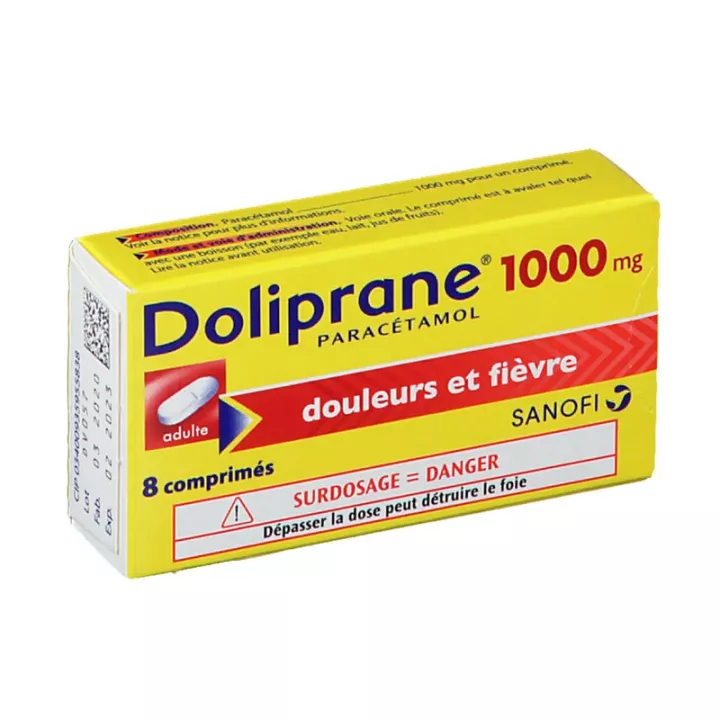
DOLIPRANE 1000 mg 8 tablets DOLIPRANE 1000 mg 8 tablets
€2.99
Add to cart
Shipped within 24h
Eau De Toilette Elle et Lui Marque Verte 50 ml Eau De Toilette Elle et Lui Marque Verte 50 ml
€5.89
Shipped within 24h
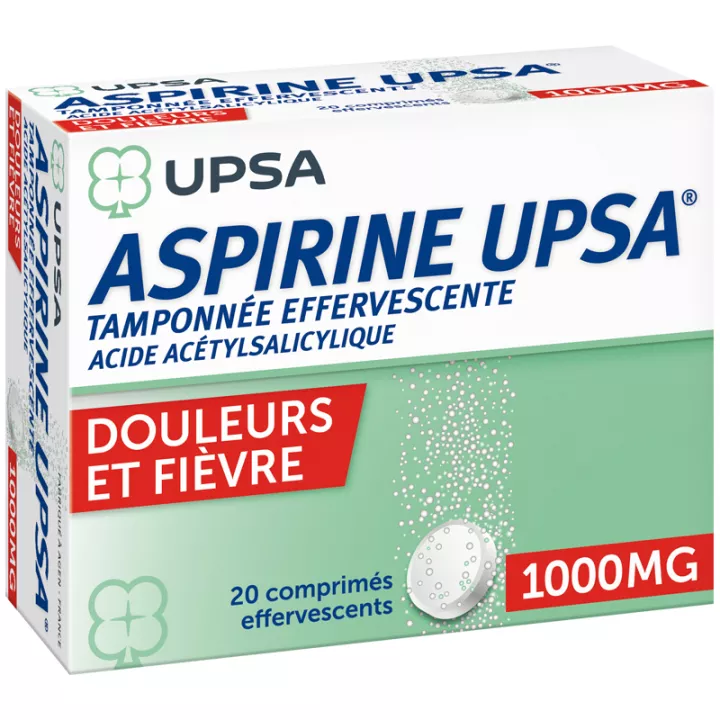
Aspirin 1000MG UPSA Effervescent Tablets Aspirin 1000MG UPSA Effervescent Tablets
€3.99
Add to cart
Shipped within 24h