Helleborus Niger in Homeopathy: Properties and Therapeutic Applications
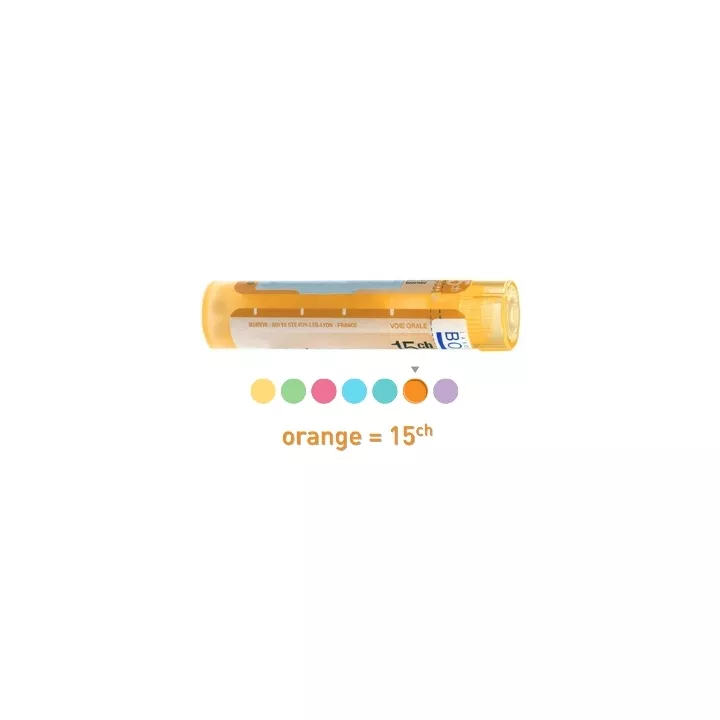
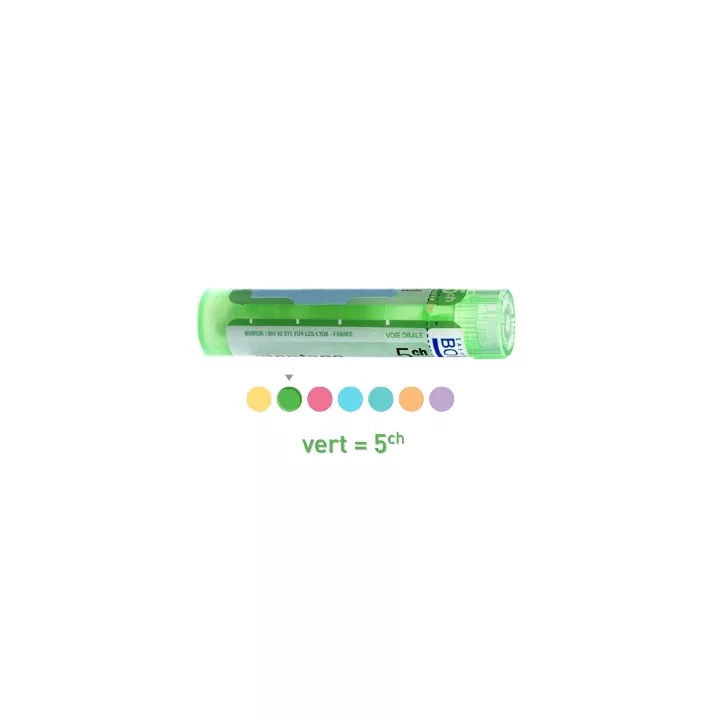
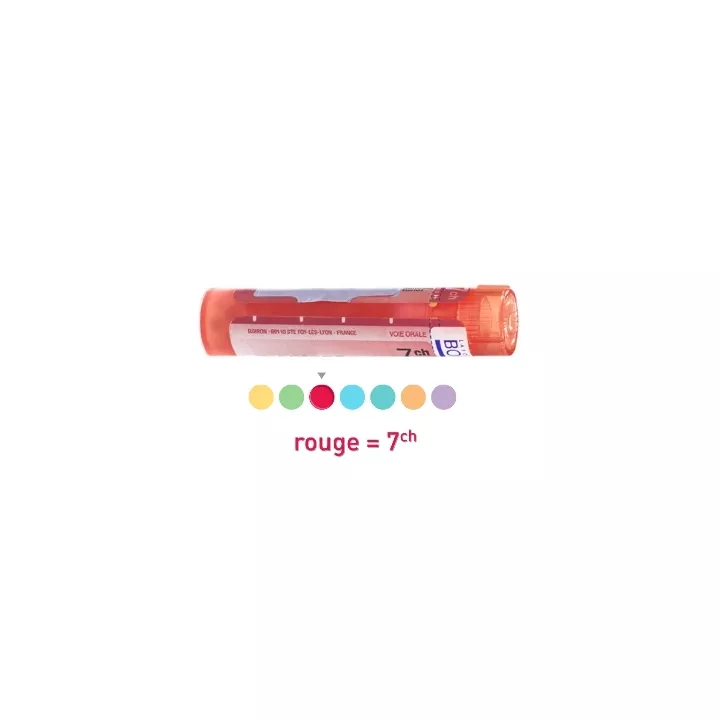
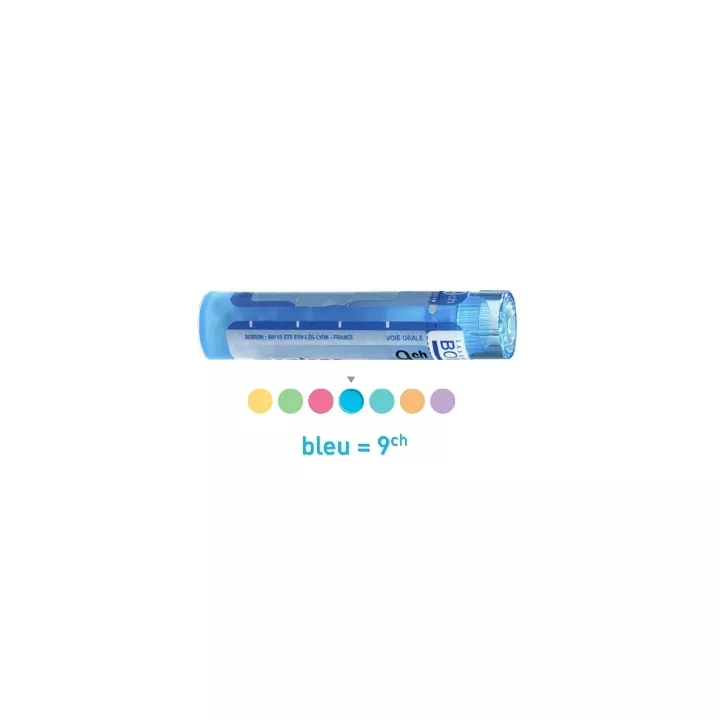
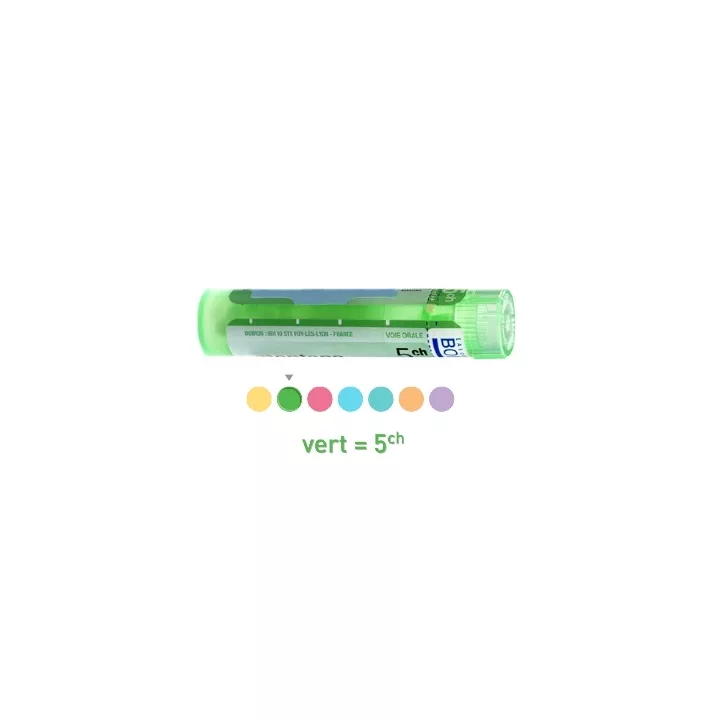
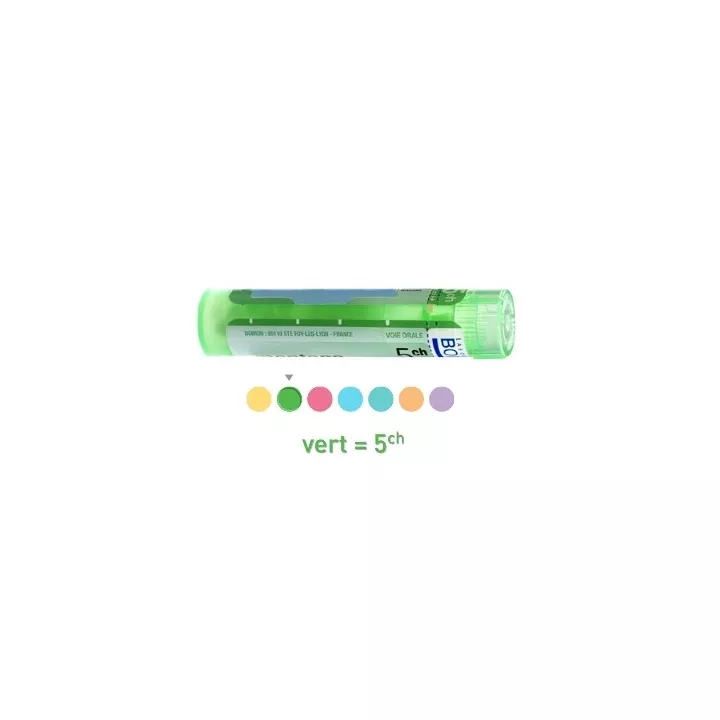
Helleborus Niger 5CH, 7CH, 9CH, 15CH Homeopathic Granules by Boiron
Helleborus Niger offers a natural and effective treatment option for neurological disorders and issues related to fluid retention. Available in several forms and dilutions, it allows practitioners to tailor it to individual needs, thereby providing targeted and personalized therapy. As always, it is essential to consult a qualified healthcare professional to determine the most appropriate treatment and ensure the safe and effective use of this remedy
Indications and Dosage
Homeopathic remedies can be used for a variety of symptoms; therefore, it is not possible to specify the indications and dosage for a specific preparation.
The homeopathic physician selects the dilution and dosage appropriate for the patient’s health condition and characteristic symptoms.
Helleborus Nige: Homeopathic Use in Urology and for Behavioral Disorders
Therapeutic Indications
Helleborus Niger, available in homeopathic granules from Boiron in dilutions ranging from 5CH to 1000K, is frequently used for its effects in urology and in the treatment of behavioral disorders.
Applications in Urology
- Acute Severe Nephritis: Helleborus Niger is indicated to aid in the treatment of acute kidney inflammation, characterized by severe nephritis, helping to relieve associated symptoms such as pain and inflammation.
Use for Behavioral Disorders
- Deep Depression and Sluggishness: This remedy is used to treat severe forms of depression characterized by mental and physical sluggishness, in which the patient may appear preoccupied.
- Obsessive State and Manic-Depressive Melancholy: It is also beneficial for people suffering from manic-depressive melancholy, offering support to stabilize mood.
- Postmenopausal Depression: Helleborus Niger may be helpful for women experiencing depressive symptoms followingthe cessation of menstruation.
- Nervous System Intoxication: This medication is frequently prescribed for cases of nervoussystem intoxication, manifested by spasms, irritability, and sequelae of diseases affecting the central nervous system (CNS), such as viral infections or other neurological conditions.
Properties and Benefits
In homeopathy, Helleborus Niger is recognized for its anti-inflammatory properties—particularly regarding the kidneys—and its beneficial effects on severe psychological conditions. It helps improve the patient’s overall condition by addressing both physical and mental symptoms.
Other Therapeutic Applications
Helleborus Niger is used in homeopathy to treat several symptoms and conditions, including:
- Neurological Disorders: Effective for symptoms such as lethargy, torpor, and difficulty concentrating. It is often used in patients showing signs of depression or cognitive decline.
- Diuretic Conditions: Helps promote urine excretion, which is useful in cases of fluid retention and swelling.
- Symptoms of Meningitis: Used to relieve symptoms of meningitis, such as neck stiffness, increased sensitivity, and severe headaches.
The recommended dosage is 5 granules of Helleborus Niger 7CH, taken three times a day. It is advisable to take the granules between meals for better absorption and effectiveness. As always, this dosage may need to be adjusted by a healthcare professional on a case-by-case basis, especially depending on the severity of symptoms and the patient’s response to treatment.
Usage Tips and Instructions
Twist the tube to dispense the desired number of granules into the cap, then place the granules under the tongue.
It is recommended not to touch the homeopathic granules with your fingers.
The globules from single-dose tubes are taken all at once by allowing them to dissolve slowly under the tongue. If a specific dose is not available, take 10 granules of the same dilution.
For optimal effectiveness, it is recommended to take 5 granules of Helleborus Niger at the selected dilution, as needed or as recommended by a healthcare professional. The granules should be taken between meals to ensure optimal absorption.
Use a mint-free toothpaste (such as Homéodent Boiron, a toothpaste compatible with taking homeopathic granules).
How long does it take to see an improvement with Helleborus Niger?
Results may vary depending on the individual and the severity of symptoms. Improvement may be observed after a few weeks of regular use, especially for physical symptoms. Behavioral issues may require longer-term treatment to see significant improvements.
Are there any side effects associated with using Helleborus Niger?
Helleborus Niger is generally well tolerated, and side effects are rare in homeopathy. However, if you experience any unusual reactions, it is important to consult a healthcare professional.
Can Helleborus Niger be used alongside other treatments?
Yes, Helleborus Niger can be used alongside other medical treatments. Consult a healthcare professional to ensure there are no interactions and to manage symptoms effectively.
Is Helleborus Niger suitable for all ages?
Helleborus Niger can be used by people of various ages. However, a consultation with a healthcare professional is recommended to adjust the dosage and confirm the appropriateness of the treatment, particularly for children and the elderly.
Packaging and Quantity
Helleborus Niger, also known as the Christmas rose, is a medicinal plant used in homeopathy for its neurological and diuretic properties. This strain, listed in the French and European Pharmacopoeias and registered under number EH00442, is available in various forms, including individual doses, tubes, and compounded preparations. This article explores the use of Helleborus Niger in homeopathy, its preparation, and its therapeutic benefits.
Origin and Properties
Helleborus niger is a plant native to the mountainous regions of Europe. It is traditionally used for its effects on the central nervous system and its diuretic properties, making this remedy suitable for treating conditions associated with these systems.
Forms of Preparation
Doses and Packaging: Helleborus Niger is available in the form of homeopathic granules at various dilutions, allowing for precise adjustment of the treatment:
- Potencies: 9 CH, 15 CH, 30 CH
- Vials: 5 CH, 7 CH, 9 CH, 15 CH, 30 CH
Compounded Preparations: For further customization, Helleborus Niger can be prepared in Hahnemannian dilutions starting at 3 CH, as well as in Korsakovian dilutions up to 10,000K. This variety of preparations meets the specific needs of each patient.
Precautions for Use
Warning
Contains sucrose.
Store homeopathic medicines away from light, heat, and moisture.
Administering homeopathic granules to infants and children
Homeopathic granules should be dissolved in 100 ml of water. Since the granules take a long time to dissolve, you should prepare the mixture in advance.
Homeopathy and Pregnancy
Homeopathic remedies have no chemical toxicity, no contraindications, no interactions with other medications, and no adverse effects related to the amount ingested. Pregnant women can use them without any known risk to themselves or their unborn child, but it is best to seek advice.
Frequency of Homeopathic Use
For acute conditions, it is recommended to take homeopathic remedies every hour until symptoms improve. Once symptoms improve, doses should be spaced out to 3 or 4 times a day, then gradually discontinued.
For chronic conditions, remedies in low dilutions (>9CH) are taken 1 to 2 times a day, while constitutional remedies are taken once a week or even once a month. This decision is up to the homeopath.
What to Do If There Is No Improvement Within 24 Hours
Certain conditions cannot be treated with homeopathy through self-medication alone. Their severity requires medical advice, which can be provided by a homeopathic physician. This physician will determine whether your condition can be treated with homeopathy alone or whether your treatment needs to be supplemented with allopathic medicine.