Pyrogenium 4CH, 5CH, 7CH, 9CH, 12CH, 15CH, 30CH homeopathic granules by Boiron
Pyrogeniumis traditionally indicated for treating acute infections such as sinusitis or dental abscesses. This remedy is also used as a maintenance treatment to cure chronic infections.
Pyrogenium can be used in combination with conventional treatments or antibiotic therapy. In fact, it works synergistically to treat bacterial or viral infections. This homeopathic medicine is also available in our online pharmacy in the form of single-dose Pyrogenium Boiron, at the best price.
Registered medication: EH01968
Indications and Dosage for Pyrogenium
Pyrogeniumhomeopathic remedies canbe used for a variety of symptoms; therefore, it is not possible to specify the indications and dosage for a specific preparation.
Origin and Preparation of the Pyrogenium Homeopathic Remedy
Pyrogenium is a homeopathic remedy derived from an animal source. More specifically, it is derived from the autolysis of porcine muscle tissue. In homeopathy, it is classified as a “biotherapeutic” (formerly known as a “nosode”).
Uses and Therapeutic Indications of Pyrogenium
Pyrogenium is a homeopathic remedy prescribed for:
- Acute infections with a tendency toward suppuration: sinusitis, otitis, bronchitis, folliculitis, abscesses, boils, eczema, and infected wounds or injuries.
- Dental infections.
- Chronic infections with suppuration: ear infections, sinusitis, fistulas.
- Food poisoning caused by consuming spoiled food.
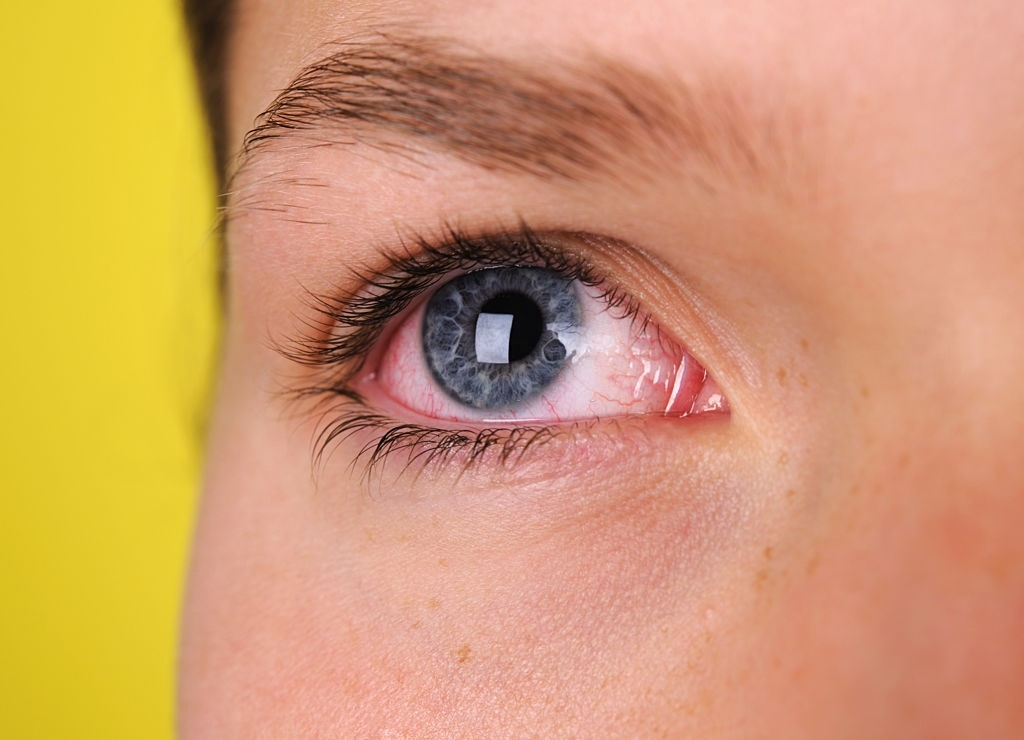
A chalazion is a tiny lump that can appear in people of any age. Self-examination can help detect a chalazion, which is a relatively firm, inflamed cyst on the eyelid. Unlike certain eye infections, a chalazion does not produce any pus. However, the person may experience a burning or stinging sensation in the eyelids. Tearing without emotional triggers and sensitivity to bright light are also two symptoms of a chalazion. An infection is suspected when palpation reveals pain and if the patient appears to have difficulty distinguishing certain objects. In some cases, a chalazion that is not treated in a timely manner can lead to eyelid swelling and reactive conjunctivitis.
The homeopathic physician selects the appropriate remedy, dilution, and dosage based on the patient’s health condition and characteristic symptoms.
Recommendations for Using Pyrogenium and Directions for Use
It is recommended to take this homeopathic remedy away from meals, tobacco, coffee, and mint. The granules should be allowed to dissolve under the tongue.
- For acute infections (ear infections, sinusitis, abscesses, etc.): Pyrogenium 7 or 9 CH: take 5 granules morning and evening for 1 week. If there is no deterioration in the patient’s general condition, Pyrogenium may be prescribed as first-line treatment. A rapid improvement should be observed within 24–48 hours. If this is not the case, consult a doctor to consider appropriate antibiotic therapy.
- For dental infections: Pyrogenium 7 or 9 CH: 5 granules morning and evening for 1 week.
- For chronic infections with pus: Pyrogenium 7 or 9 CH: take 5 granules daily for 2 months.
Homeopathic treatments for chalazions without pus formation:
Suppuration occurs when the chalazion becomes an infection and leads to the discharge of pus. Homeopathic treatments help prevent the chalazion from worsening and promote pus formation to break down the cyst. Therefore, Pyrogenium diluted to 7 or 9 CH should be taken regularly. Myristica 9 CH should be administered hourly if palpation reveals the presence of an unusual cyst on the eyelids.
Like Pyrogénium, Myristica will stimulate suppuration. If pus has not formed and the goal is to halt the progression of the chalazion, Hépar Sulfur in 15 CH may be taken as a single dose if suppuration has not yet begun.
Advice from your pharmacist to optimize the effectiveness of Pyrogenium
- For acute infections: consistently take 5 granules of Hepar sulfuris calcareum 15 to 30 CH, 1 to 2 hours after each dose of Pyrogenium.
- For dental infections: Take 5 granules of Mercurius solubilis 9 or 15 CH, 1 to 2 hours after each dose of Pyrogenium.
- For chronic infections with suppuration: combine Pyrogenium with Silicea 15 CH, 5 granules per day.
It is recommended not to touch the homeopathic granules with your fingers.
Use a mint-free toothpaste (such as Homéodent Boiron, a toothpaste compatible with taking homeopathic granules).
Pyrogenium packaging and contents
Translucent granule tube (allows you to see the remaining granules).
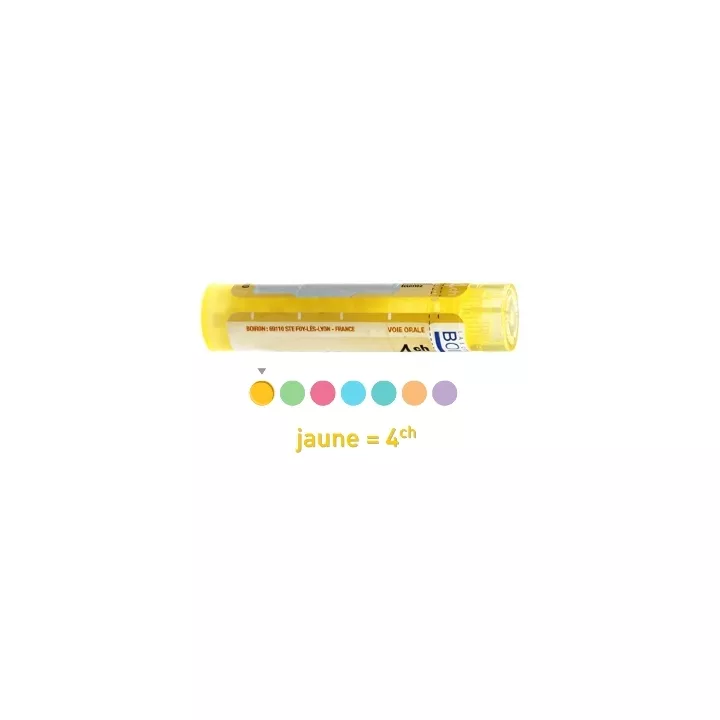
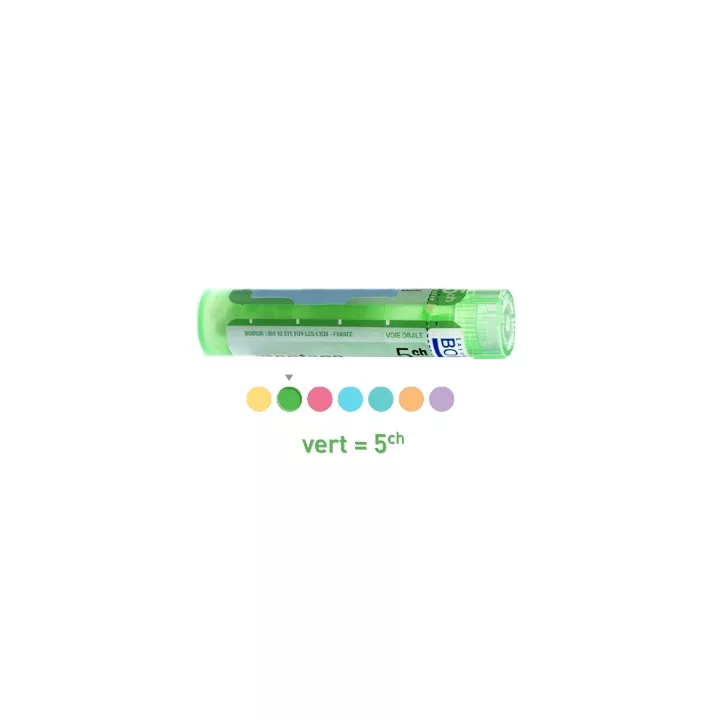
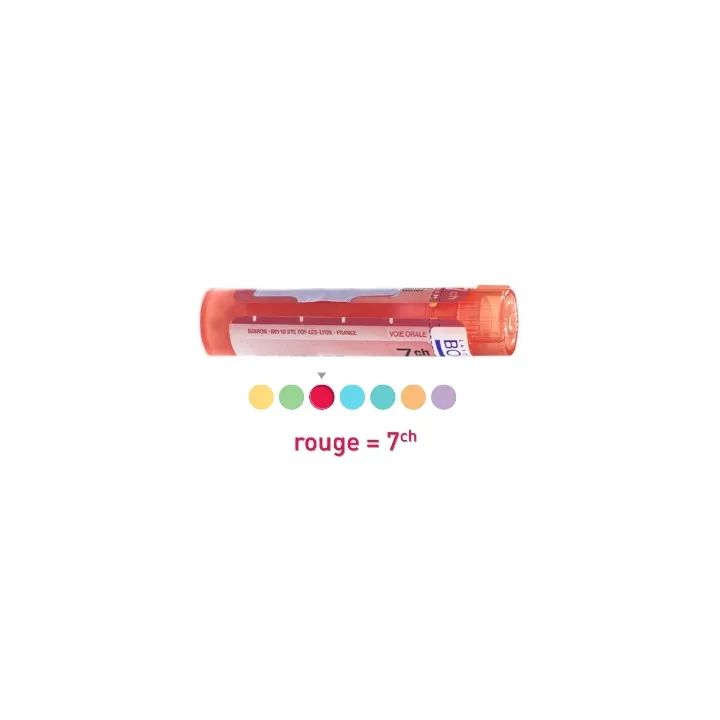
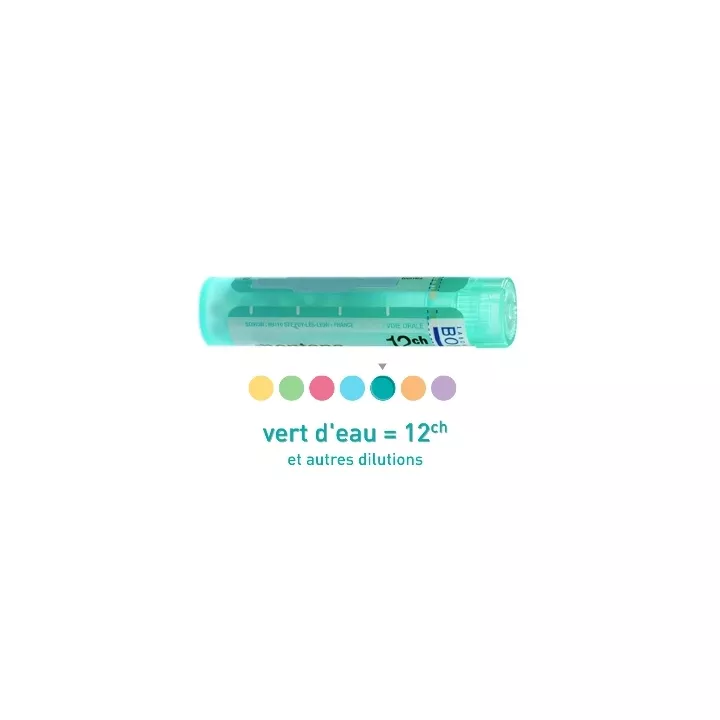
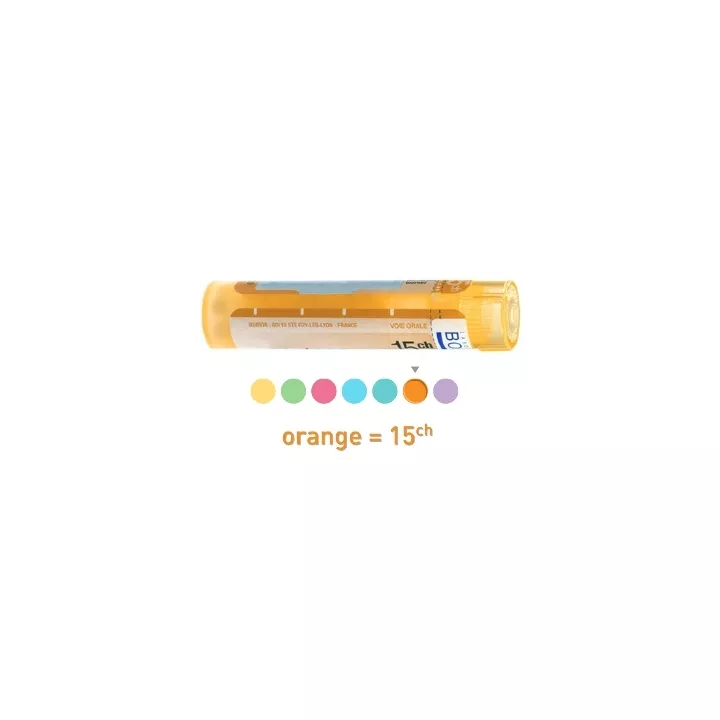
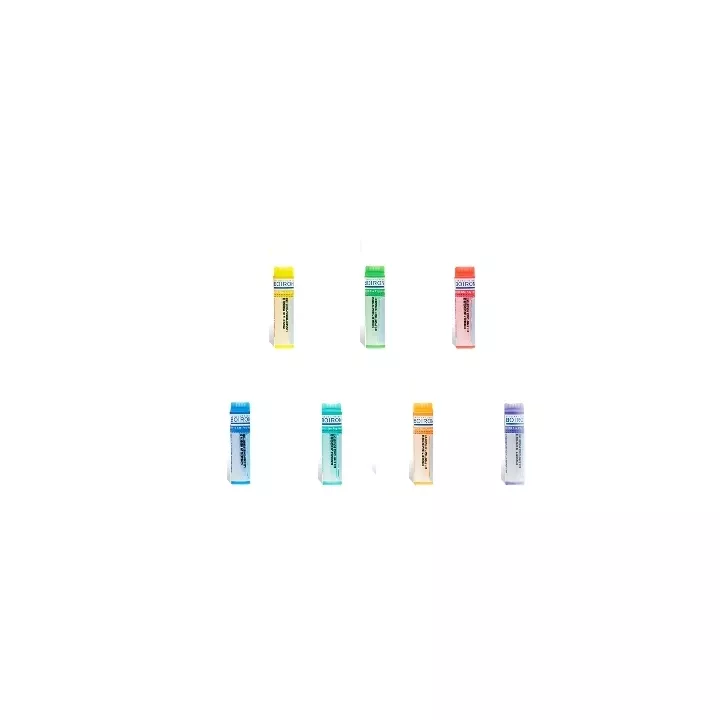
Each tube color corresponds to a dilution:
Yellow 4CH, Green 5CH, Red 7CH, Blue 9CH, Sea Green 12CH, Orange 15CH, Purple 30CH
Weight: 4 g. Approximately 80 granules.
Pyrogenium is a homeopathic remedy prepared from a lysate of pork or beef muscle tissue.
Precautions for Use
Warning
The granules and globule doses contain sucrose and lactose. The oral powder triturations contain only lactose. Mother tinctures (TM), oral drops, and ampoules are hydroalcoholic solutions.
Administering Pyrogenium homeopathic granules to infants and children
For Pyrogeniumgranules, dissolve them in 100 ml of water. Since the granules take a long time to dissolve, you should prepare the mixture in advance.
Pyrogenium Homeopathy and Pregnancy
Pyrogeniumhomeopathic remedies have nochemical toxicity, no contraindications, no interactions with other medications, and no adverse effects related to the amount ingested. Pregnant women can use them without any known risk to themselves or their unborn child, but it is best to seek advice.
Frequency of Homeopathic Use
For acute conditions, it is recommended to take Pyrogeniumhomeopathic remedies everyhour until symptoms improve. Once symptoms improve, space out doses to 3 or 4 times a day, then gradually stop.
For chronic conditions, remedies in low dilutions (>9CH) are taken 1 to 2 times a day, while constitutional remedies are taken once a week or even once a month. This decision is up to the homeopath.
What to Do If There Is No Improvement Within 24 Hours
Certain conditions cannot be treated with homeopathy through self-medication with Pyrogenium alone. Their severity requires medical advice, which can be provided by a homeopathic physician. This doctor will determine whether your condition can be treated with homeopathy alone or whether your treatment needs to be supplemented with allopathic medicine.