What does it mean to be “Zen,” and what are its practical foundations?
The “Zen” state—a Western popularization of Zen Buddhist philosophy—now refers to a state of inner balance, presence in the moment, and equanimity in the face of life’s events. Neurobiologically, it corresponds to sustained activation of the parasympathetic nervous system, an optimal GABA/glutamate balance, and a less reactive amygdala. It is not achieved through willpower but through regular practices that gradually reshape the brain. Discover our serenity and well-being packages and our relaxation and sleep supplements to support this state naturally.
- Zazen and Mindfulness: zazen (Zen sitting) = precise posture + attention to the breath + observing thoughts without clinging to them — the trained brain gradually stops reacting to thoughts as if they were emergencies → reduced amygdala reactivity → gradual and lasting calm — even 10 minutes of zazen in the morning noticeably changes your inner state for the rest of the day
- Non-attachment and stress reduction: the Zen principle of non-attachment is not indifference but the ability to observe without identifying with them — “having thoughts without being one’s thoughts” — reduces rumination and anxious scenarios that keep the nervous system in a state of constant alertness
- Simplicity and minimalism: wabi-sabi (the beauty of imperfection and simplicity) in one’s living space reduces cognitive load—a minimalist space = fewer visual stimuli = less strain on the brain = more energy available for inner peace—decluttering is a concrete step toward a Zen state
- The present moment and reducing anxiety: anxiety is always focused on the future (what might happen) — the Zen practice of grounding oneself in the present (bodily sensations, breathing, ambient sounds) short-circuits the anticipatory anxiety loop — one of the foundations of ACT (Acceptance and Commitment Therapy)
- Universality: The Zen state requires no religious beliefs—it is accessible to everyone, at any age, under any circumstances—and can be integrated into ordinary activities (walking, eating, gardening) practiced with full presence
Zen Practices Suited for Daily Life
- Walking meditation (kinhin): walking slowly while focusing on each step, the sensation of your feet on the ground, and your breath—can be practiced between meetings, in a hallway, or in a park—provides immediate grounding + activates the parasympathetic nervous system + reconnects you with your body—visit our meditation page for complementary techniques
- Cardiac coherence (365 method): 5 minutes—6 breaths per minute — 3 times a day — vagus nerve activation → dominant parasympathetic nervous system → cortisol reduced by 20–30% — the most accessible technique for inducing a physiological “Zen” state in just a few minutes — fits into any routine
- One action at a time (ichigyo-zammai): the Zen concept of “total concentration on a single action” — eating without a screen, driving without music, reading without notifications — reduces cognitive fatigue associated with multitasking and gradually induces a state of serene presence — people who practice monotasking report less anxiety and greater daily satisfaction
- Nature and wabi-sabi: 20–30 minutes in a natural environment reduces cortisol by 15–20% — contemplating nature (observing details, textures, and sounds) is a natural form of Zen meditation — gardening, tending to plants, or simply taking a mindful walk in the forest cultivates a Zen state
- Daily rituals as Zen anchors: mindfully preparing tea or coffee in the morning—eating a meal in silence for 5 minutes—tidying up your space before starting the day—these rituals create “islands of Zen” in a hectic daily life
Diet, Supplements, and the Zen State
- Magnesium: the quintessential Zen mineral—regulates GABA receptors (calms the nervous system) and blocks NMDA receptors (excessive excitation)—a chronic deficiency creates a state of nervous hyperexcitability incompatible with any state of zen—300–400 mg of bisglycinate per evening—the most effective supplement for supporting Zen practice
- Green tea and L-theanine: the Zen tradition is closely linked to the tea ceremony — the L-theanine in green tea increases alpha brain waves (waking relaxation) + modifies GABA receptor activity → a calm, alert state ideal for meditation — 100–200 mg of L-theanine or 2–3 cups of green tea per day
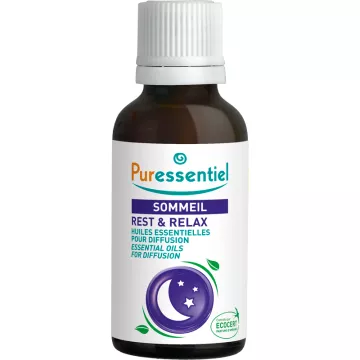
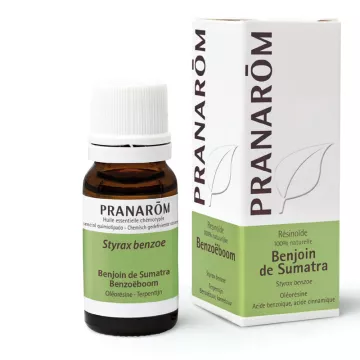
- Zen Aromatherapy: sandalwood, frankincense (Boswellia), true lavender, and vetiver are used in the Zen tradition to support meditation — their aromatic molecules directly activate the limbic system via the olfactory pathway — diffuse during meditation or relaxation sessions — discover our aromatherapy blends
- Zen diet: eat slowly, mindfully, without distractions—opt for simple, colorful, and varied meals—the ideal Zen meal: seasonal vegetables + whole grains + plant-based or light proteins — avoid overeating (Zen masters eat “hara hachi bu” = until 80% full)
- ZenSleep: A lasting state of Zen depends on restorative sleep—Zen-inspired bedtime rituals (tidying up the space, soothing herbal tea, reading, darkness, 18–20 °C)—check out our relaxation and sleep products for a peaceful night’s rest
Zen, Anxiety, and Everyday Well-Being
- Zen and Anxiety: Zen techniques teach us to observe anxiety without identifying with it (“anxiety passes, like clouds in the sky”)—this observer’s perspective reduces the emotional intensity of anxiety—the foundation of third-wave therapies (ACT, DBT, mindfulness) that have been clinically validated
- Zen with Children: Adapted Zen Activities — Star Breathing (inhale while spreading your fingers, exhale while bringing them together) — mindfulness games (observe 5 things in the room) — gardening — yoga for kids — introducing these practices early on builds long-term emotional resilience
- Zen at Work: a clutter-free space + a list of 3 priority tasks + the Pomodoro Technique (25 min of concentration + 5 min break) + cardiac coherence between tasks — turn off non-urgent notifications — eat lunch without screens — create transition rituals between tasks
- Creativity and the Zen State: the Zen state (high alpha waves + calm amygdala) is the optimal brain state for creativity and insights — artists, musicians, and writers often describe their creative “flow” as a Zen state — regular meditation improves the fluidity of associative thinking
- Practicing Zen Long-Term: start small (5 minutes of zazen in the morning) + anchor it to an existing habit + note the effect on mood and stress after 3 weeks + increase gradually — consistency trumps duration — “10 minutes every day is better than 1 hour once a week”