What is a wrist sprain, and which ligaments are involved?
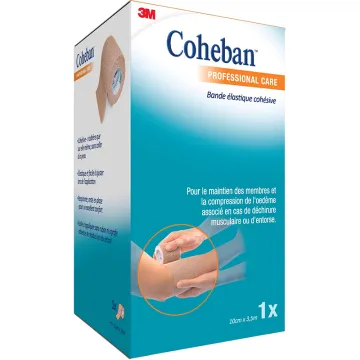
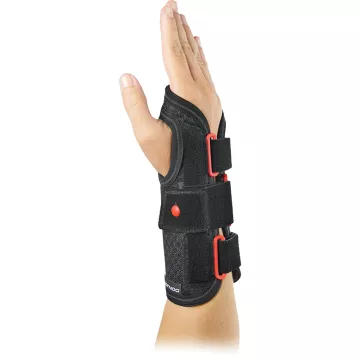
A wrist sprain is a ligament injury caused by falling onto an outstretched hand (the FOOSH mechanism—Fall On OutStretched Hand)—the most common mechanism of upper limb injury. A key characteristic of this injury is the risk that it may mask a scaphoid fracture, a serious complication if left untreated. Our line of sports support products offers appropriate splints and wrist braces.
- Scapho-lunar ligament: the most commonly injured ligament in the wrist—instability of the carpal bones if completely torn—dorsal pain upon pressure on the scapho-lunar space
- Radiocarpal ligaments: stabilizers of the radiocarpal joint—injured by forced extension of the wrist
- TFCC (triangular fibrocartilage complex): ulnar stabilizing structure—injured by pronation-supination twisting—pain on the ulnar side of the wrist
- Grades 1–3: same classification as elsewhere—Grade 3 with carpal instability requires stabilization surgery
- High-risk sports: skiing (skier’s thumb = ulnar collateral ligament of the thumb), skateboarding, ice skating, ball sports, and BMX
Scaphoid Fracture: The Diagnosis You Can’t Miss
A scaphoid fracture is the most serious complication following a fall onto the wrist—it presents as a “simple sprain” and may go unnoticed on the initial standard X-ray.
- Suggestive signs: pain in the anatomical snuffbox (depression between the thumb and the extensor tendon)—pain with axial pressure on the thumb—any painful wrist after a fall with this sign warrants an X-ray and possibly a CT scan
- Dangers of misdiagnosis: The scaphoid has retrograde blood supply—an untreated fracture → avascular necrosis → irreversible radiocarpal osteoarthritis
- Diagnostic delay: Initial X-ray is normal in 20–30% of scaphoid fractures—repeat on days 10–15 or perform an MRI or CT scan if pain persists
- Treatment: immobilization for 8–12 weeks if non-displaced; surgery if displaced or in cases of necrosis
- Any pain in the carpal tunnel area after a fall = seek medical attention—do not rely solely on a normal initial X-ray
What supplements support recovery from a wrist sprain?
Ligament healing in the wrist benefits from the same active ingredients as other sprains—take as a course of treatment starting in the first few days. Find these formulas in our joint collagen line.
- Hydrolyzed marine collagen + vitamin C: 30–60 minutes before physical therapy—promotes synthesis of type I collagen in the carpal ligaments—doubly documented effect on recovery from tendinous and ligamentous injuries
- Omega-3 (EPA/DHA): resolves the inflammatory phase without blocking it—promotes more flexible ligament healing—no NSAIDs for the first 72 hours
- Magnesium: reduces spasms in the forearm muscles that protect the wrist—300–400 mg/day
- Zinc + vitamin E: cofactors for ligament collagen remodeling
- Glucosamine: structural support for radiocarpal cartilage — long-term prevention of post-traumatic osteoarthritis
How to rehabilitate and prevent recurrent wrist sprains?
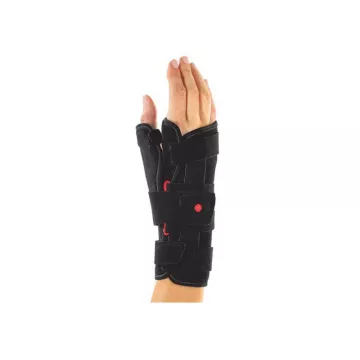
- Wrist splint: immobilization in a neutral position for 2–3 weeks for grades 2–3 — gradually removed during pain-free activities — our line of sports support products
- Rehabilitation exercises: gentle flexion-extension on days 3–5, gradual rotations on days 7–10, strengthening with resistance bands or light weights starting on day 21—under the supervision of a physical therapist
- Strengthening the flexors and extensors: grip exercises (squeezing a ball), pronation-supination rotations against resistance—the forearm muscles are the primary stabilizers of the wrist
- Protection in high-risk sports: wrist guards for skateboarding, snowboarding, and skating—studies show an 80% reduction in wrist fractures and sprains
- Wrist MRI if pain persists for > 6 weeks: to rule out an injury to the scapholunate ligament or TFCC that may have been overlooked during the initial examination