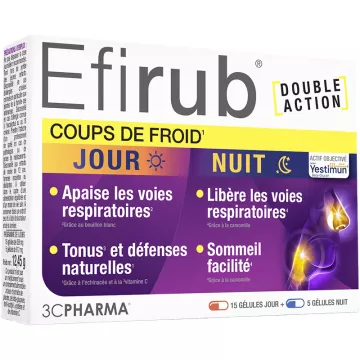
Ideally, winter immunity preparation should begin 4 to 6 weeks before the first outbreaks of infection (October–November in temperate latitudes). The core strategy consists of three complementary approaches: correcting micronutrient deficiencies (vitamin D3 1,500–2,000 IU/day, zinc 15–25 mg/day, selenium 50–100 µg/day), supporting the gut microbiota (multi-strain probiotics—70% of the body’s immune cells reside there), and a 3- to 4-week course of immunostimulant herbs. An underlying vitamin C deficiency significantly weakens resistance to winter infections—natural forms (acerola) are better tolerated and more bioavailable than synthetic vitamin C.
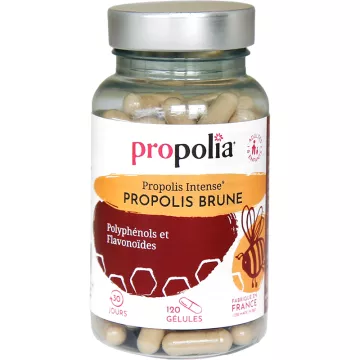
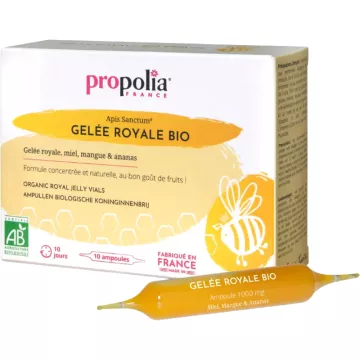
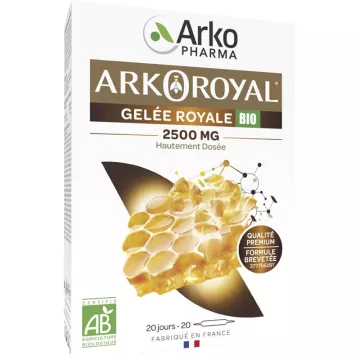
Two bee products with complementary immune-boosting properties. Propolis (flavonoids, phenolic acids, plant resins) exerts broad-spectrum antiseptic activity—antibacterial, antiviral, and antifungal—on the upper respiratory mucous membranes. Available in high-dose capsules, lozenges (honey + eucalyptus, for local action in the mouth and throat), or as a mouth spray, it is the first natural choice for a sore throat or early-stage bronchitis. Standardized royal jelly (10-HDA + royalactin proteins + B vitamins) stimulates macrophages, NK cells, and T lymphocytes during 3- to 4-week treatment courses, improving overall resistance to winter infections.
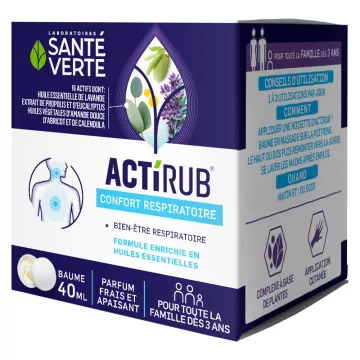
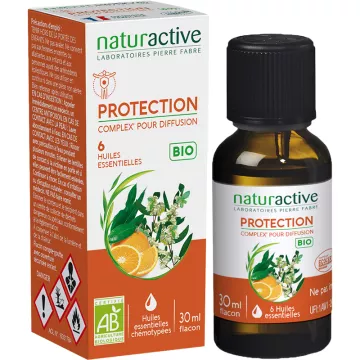
Winter essential oils can be used in three complementary ways. Diffusion into the air (protective blends, 15–20 minutes 3 times a day) purifies indoor air and reduces the ambient viral load— ravintsara (1,8-cineole + α-terpineol, a documented antiviral) is the go-to essential oil for winter diffusion. Wet inhalation (eucalyptus radiata or peppermint) clears the airways during congestion. Diluted topical application (to the soles of the feet or along the spine) stimulates the immune system via reflex zones. Pectoral balm (eucalyptus, thyme, and Scots pine essential oils in a waxy base) is rubbed onto the chest to thin bronchial secretions.
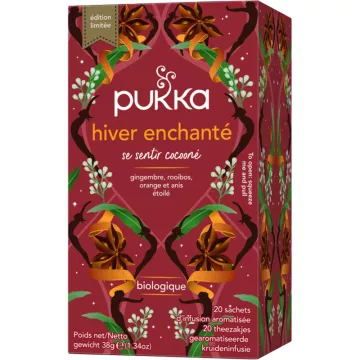
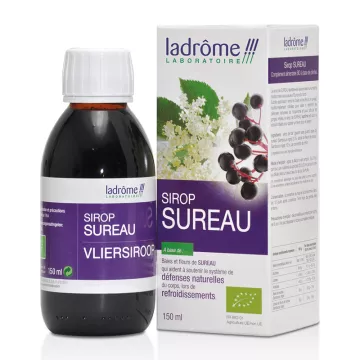
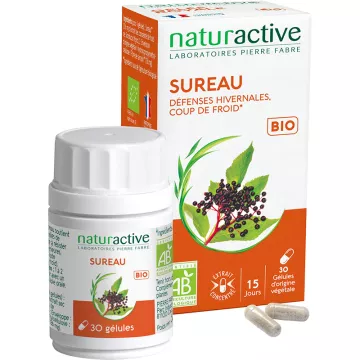
Black elderberry (organic syrup or anthocyanin-standardized capsules) is the best-documented antiviral agent for winter — its anthocyanins inhibit the hemagglutinins of influenza and parainfluenza viruses, reducing the duration of symptoms by 3 to 4 days at the onset of an episode. As a preventive measure, taking elderberry syrup regularly throughout the winter season reduces the frequency of upper respiratory infections. Organic winter herbal teas (thyme, rosemary, ginger, cinnamon, honey) support immunity and warm the body—their effects are cumulative. A comprehensive flu prevention strategy relies on these active ingredients as a supplement to vaccination for at-risk individuals.
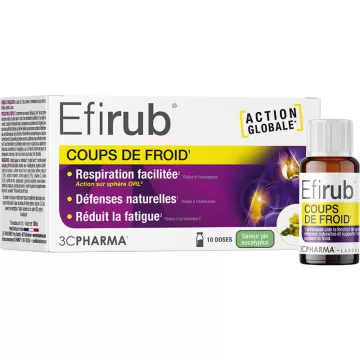
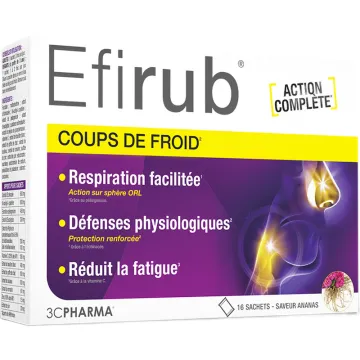
This distinction is clinically important because the natural treatments differ. The common cold (rhinovirus) is treated topically and nasally—with nasal rinses, eucalyptus essential oil, zinc, and propolis. Flu-like illnesses (coronavirus, RSV, metapneumovirus) require elderberry + propolis + vitamin C + rest. True flu (Influenza A or B) may require a specific antiviral within the first 48 hours for people at risk—propolis and elderberry provide relevant complementary support but are not a substitute for medical consultation.
Five simple routines, practiced daily throughout the winter, are the best prevention strategy. Exposure to natural light (20–30 minutes a day, even in winter) to maintain endogenous vitamin D levels and the circadian rhythm. Nasal rinsing with isotonic seawater in the morning to flush out viruses inhaled during the night. A teaspoon of honey (preferably manuka honey or acacia honey) in a hot herbal tea for its local antibacterial effect. 7 to 8 hours of restorative sleep—sleep deprivation reduces the immune response to vaccines by 70% and resistance to rhinovirus infections by 50%. Productive coughs lasting more than 3 weeks or accompanied by a fever > 38.5°C should be evaluated by a doctor to rule out a bacterial superinfection.