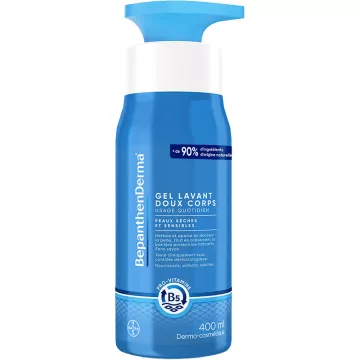
What is a cleansing gel, and how does it differ from shower gel?
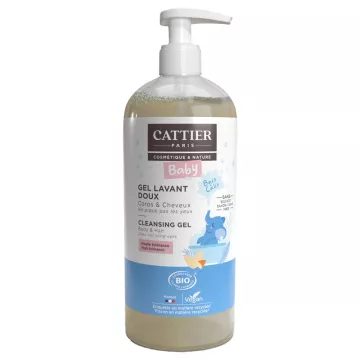
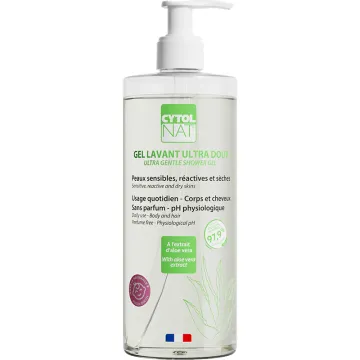
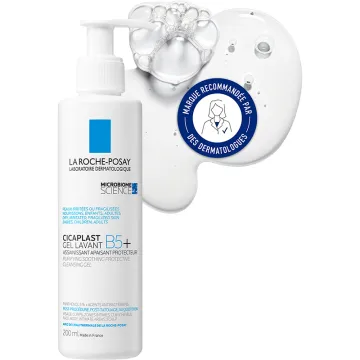
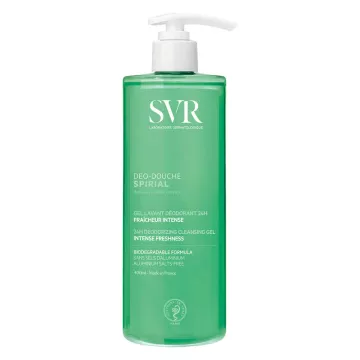
The term “cleansing gel” is broader than “shower gel”—it refers to any gel-textured cleanser for the body or face, often with an even gentler, dermatologically targeted formulation. In drugstores, “cleansing gel” is the preferred term used by dermatological brands (Avène, La Roche-Posay, Bioderma) to indicate a formulation with a physiological pH, fragrance-free, and suitable for sensitive skin.
- Shower gel: a daily body cleanser; may contain fragrances and more active foaming agents—prioritizes sensory experience
- Body cleansing gel: gentler formulation, pH 5.5, often fragrance-free—priority on safety of use, suitable for sensitive skin or skin undergoing treatment
- Facial wash: ultra-mild surfactants, non-comedogenic, designed for the thinner skin of the face—not a substitute for body shower gel
- 2-in-1 Cleansing Gel: for body and face—convenient for travel, dermatologically formulated for the whole family
Which cleansing gel is best for problem skin?
Skin weakened by a medical condition or treatment requires cleansers that are specifically formulated—not just “gentle.”
- Sensitive, reactive skin: fragrance-free cleansing gel, free of allergenic preservatives, with ultra-mild surfactants—look for labels such as “tested on sensitive skin” or “allergy-doctor approved”
- Atopic skin (eczema): Cleansing gel enriched with colloidal oats or licorice extract—clinically tested “atopic” product lines—never use a conventional scented body wash
- Acne-prone skin: Cleansing gel with zinc, salicylic acid (BHA), or benzoyl peroxide—controls skin flora without over-drying
- Skin undergoing dermatological treatment (retinoids, corticosteroid treatments, chemotherapy): very gentle cleansing gel free of ionic surfactants — often prescribed or recommended by a dermatologist alongside treatment
- Skin prone to couperose and rosacea: a cooling cleansing gel, free of irritating surfactants, menthol, and camphor—ultra-gentle texture, rinse with cold water
Body Cleansing Gel: How to Use It Properly Based on Your Skin Type?
The correct application technique is just as important as choosing the right product.
- Lukewarm water (never hot)—heat dilates blood vessels and worsens sensitivity and couperose
- Apply with your hands (do not use a washcloth on sensitive or atopic areas)—the washcloth adds irritating mechanical friction
- Gently lather, rinse quickly—contact time with water is the most underestimated factor for dry skin
- Pat dry, then apply an emollient cream or balm to skin that is still slightly damp
- Cleansing gels with salicylic acid (for acne-prone skin): leave on for 30–60 seconds before rinsing—BHA requires a minimum contact time to be effective
How do you read the label on a drugstore cleansing gel?
Here are some practical tips for distinguishing genuine dermatological formulas from marketing “me-too” products.
- INCI: The first 5 ingredients make up 80–90% of the formula — Water + mild surfactants (decyl glucoside, coco-glucoside) at the top = a good base
- Fragrance-free: The term “parfum/fragrance” or “perfume” in the INCI list indicates the presence of synthetic or natural fragrance—avoid on reactive skin
- Free of MIT/CMIT (methylisothiazolinone): highly sensitizing preservatives — banned in leave-on products since 2017, still permitted in rinse-off products — avoid if you have a history of allergies
- "Dermatologically tested" ≠ hypoallergenic — this label indicates a safety test on a panel of subjects, not the absence of allergens
- See our personal care line