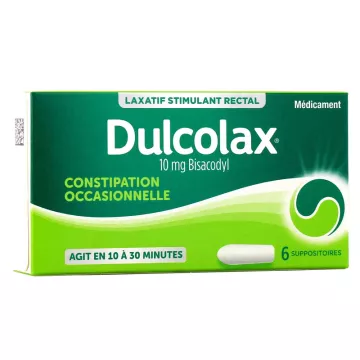
Suppositories are a solid dosage form intended for rectal, vaginal, or urethral insertion. Once in place, the base melts at body temperature or dissolves upon contact with secretions, releasing the active ingredient, which is absorbed by the local mucosa. This route of administration is particularly useful in cases of vomiting, refusal to take medication, or inability to take medication orally, as well as for treatments with a local effect, such as hemorrhoids.
What is a suppository?
A suppository is a solid, ovoid, or conical pharmaceutical preparation containing one or more active ingredients incorporated into a melting base (cocoa butter, semisynthetic glycerides, polyethylene glycol). There are several routes of administration.
- Rectal: the most common—pain relievers, fever reducers, laxatives, hemorrhoid treatments
- Vaginal: gynecological ovules—antifungals, treatments for infections, local hormones
- The rectal route avoids first-pass hepatic metabolism—resulting in higher bioavailability than the oral route for certain molecules
- Rapid mucosal absorption: onset of action is often faster than with an ingested tablet
What are the indications for suppositories?
Suppositories are indicated for several common self-medication situations involving over-the-counter products.
- Fever and pain: rectal acetaminophen—as a first-line treatment for infants or children who are vomiting, and for adults experiencing nausea
- Constipation: rectal glycerin, bisacodyl—local laxatives with mechanical and reflex action—see our constipation product line
- Nausea and vomiting: rectal antiemetics when oral administration is not possible
- Hemorrhoids: hemorrhoid suppositories containing anesthetics, pain relievers, and local vasoconstrictors—see our hemorrhoid product line
- Topical anti-inflammatory medications: proctocolitis, rectal NSAIDs (diclofenac, indomethacin)—by prescription
How do you insert a suppository?
The insertion technique determinesthe effectiveness and comfort of the treatment.
- Wash your hands before and after—use a disposable glove if necessary
- Lie on your left side with your right knee bent toward your chest
- Gently insert the suppository with the pointed end (the narrowest part) facing forward, using your index finger
- Stay lying down for 5 to 10 minutes after insertion to prevent the suppository from being expelled
- If the suppository is too soft: place it in the refrigerator for a few minutes before insertion
- Children: same position or lying on their stomach—use a pediatric-sized suppository appropriate for the child’s weight
Storage and precautions for suppositories?
Storage is a critical yet often overlooked consideration for this heat-sensitive dosage form.
- Store at a temperature below 25°C away from heat—cocoa butter melts at 37°C
- Some formulations require refrigeration (2–8°C)—check the label
- Never freeze—texture and efficacy are compromised
- Store in the original packaging, protected from light, and out of the reach of children
- A suppository that has melted and then re-solidified may have lost some of its active ingredient content
Suppositories: Side Effects and Contraindications?
Suppositories are well tolerated when used appropriately—a few points to watch for.
- Local irritation, burning, or rectal/vaginal itching: common, usually temporary
- Allergy to excipients: sensitivity to latex (gloves), castor oil, or parahydroxybenzoates—read the ingredients
- Contraindications: severe proctitis, anal fissure, or intestinal obstruction for rectal suppositories—always read the package insert
- Pregnancy: certain formulations are contraindicated—consult your pharmacist before use
- Anticoagulants and NSAID suppositories: possible interaction—inform the pharmacist