What is summer lucitis, and who is affected?
Summer lucitis is a photoallergic skin reaction that occurs during the first significant exposure to the sun of the season—typically in early summer or during a first sunny vacation after a long period without sun exposure. It primarily affects young women with fair skin, but can affect anyone, including children. What makes it unique is that rashes appear on areas not usually exposed to the sun (arms, shoulders, décolletage, legs) and subside on their own as the skin gradually “desensitizes” with repeated exposure. Sun-protection supplements are available in the store’s line of sun-protection dietary supplements.
- Mechanism: a cutaneous immune reaction triggered by UVA rays (primarily)—activated keratinocytes and Langerhans cells release pro-inflammatory cytokines—distinct from sunburn (physical burn) or a true IgE-mediated allergy
- Typical symptoms: intense itching 2 to 24 hours after exposure — small red bumps, blisters, or itchy papules — areas not accustomed to UV exposure (décolleté, arms, neck)—spontaneous resolution within 5 to 10 days if exposure ceases
- Aggravating factors: fair skin (phototypes I and II)—sudden and intense exposure after winter—photosensitizing medications (cycline antibiotics, NSAIDs, birth control pills, thiazide diuretics, St. John’s wort)—family history
- Differences from PEL (polymorphic light eruption): summer lucitis is clinically milder — lesions are more uniform (vesicles/fine papules) — gradual improvement over the course of the season due to natural desensitization — PEL is more widespread and recurrent, even during the summer
How can summer lucitis be effectively prevented?
Prevention is the only truly effective treatment—recurrence is almost inevitable from one year to the next if no measures are taken. The key principle is gradual desensitization: gradually increase sun exposure time at the start of the season to accustom the skin to UVA rays. Sun protection is the first step.
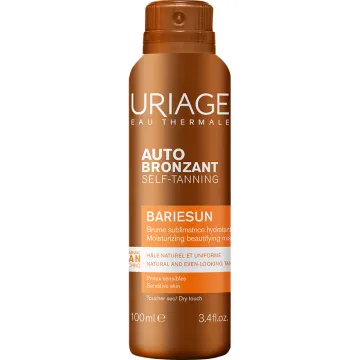
- SPF 50+ sun protection: a high SPF is mandatory at the start of the season—mineral filters (zinc oxide, titanium dioxide) or a combination of both—reapply every 2 hours and after each swim—don’t forget the décolletage, arms, and nape of the neck (the most affected areas)—use specific sunscreen sprays to make reapplication easier
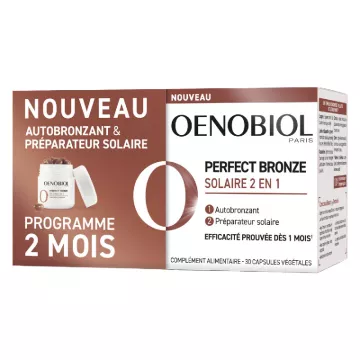
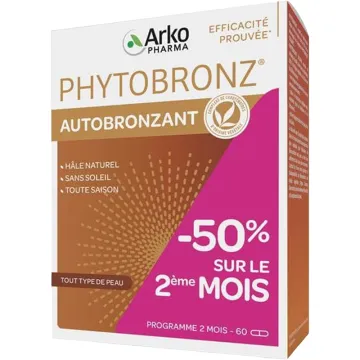
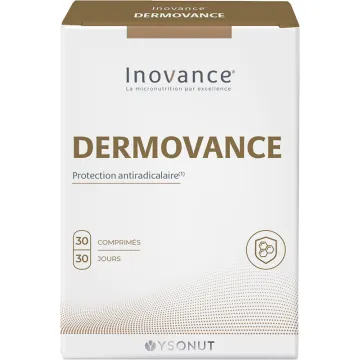
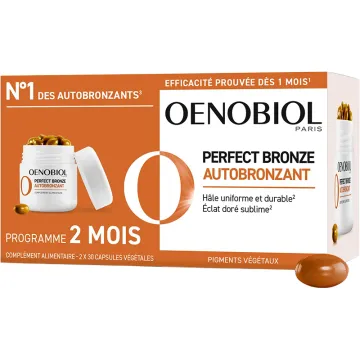
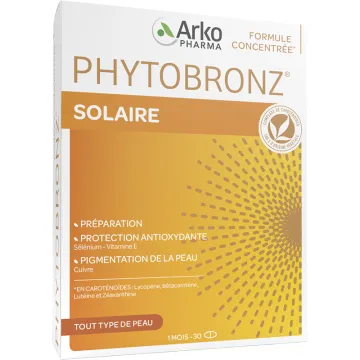
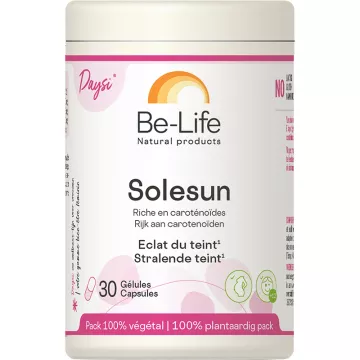
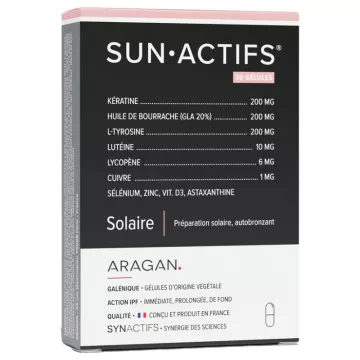
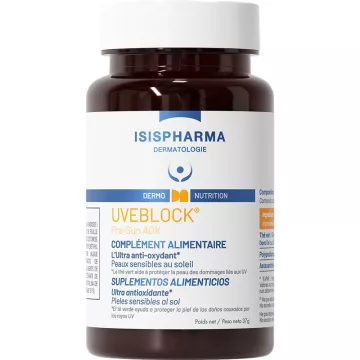
- Sun-prep dietary supplements: Start taking these 4 to 6 weeks before sun exposure — contain beta-carotene + vitamin E + vitamin C + lycopene + selenium — strengthen the skin’s antioxidant defenses against UV-induced oxidative stress — do not increase the sun protection factor (do not replace sunscreen)
- Omega-3: EPA and DHA have documented anti-inflammatory properties regarding UV-induced skin reactions — 2 to 3 g/day as a preventive regimen before the summer season — eat fatty fish twice a week and/or take supplements
- Avoid photosensitizing medications if possible (consult a doctor) — wear UV-protective clothing (UPF 50+) on highly reactive areas — avoid sun exposure between 10 a.m. and 4 p.m. at the start of the season
How should an existing summer lucitis reaction be treated?
- Stop sun exposure: first step — keep affected areas in the shade — do not scratch blisters to prevent secondary infection
- Local soothing treatments: purealoe vera gel (cooling + local anti-inflammatory action) 3 to 4 times a day — thermal water spray — after-sun lotion with soothing extracts
- Vitamin C: antioxidant—reduces post-UV oxidative stress, which amplifies the skin’s inflammatory reaction—as a course of 500 mg to 1 g per day during the episode and beyond
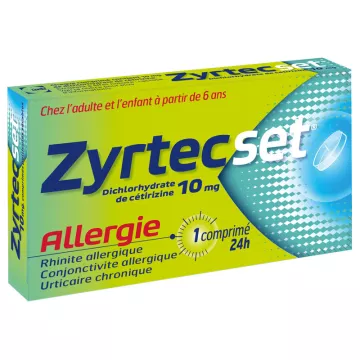
- Oral antihistamines: reduce intense itching — over-the-counter cetirizine and loratadine — topical corticosteroids (Class I–II) are reserved for severe cases under medical supervision
- Preventive phototherapy (UVA or PUVA): recommended by a dermatologist at the end of winter for severe, recurrent cases—desensitizes the skin before the season begins—2 to 3 sessions per week for 4 to 6 weeks
- Consult a dermatologist if: no improvement after 10 days—spread to unexposed areas—edema or blistering—systemic signs (fever, swollen lymph nodes)