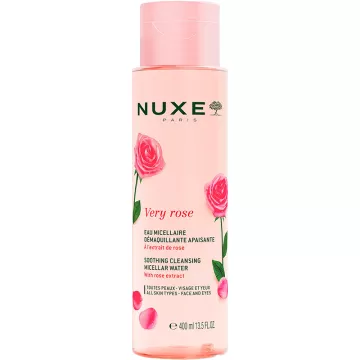
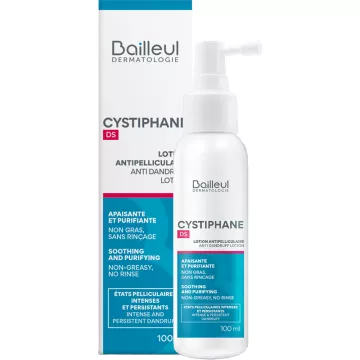
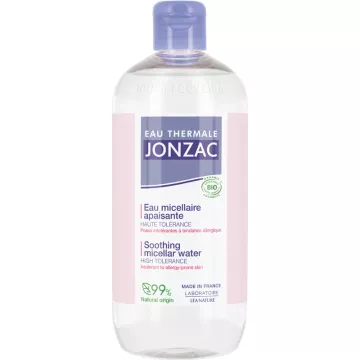
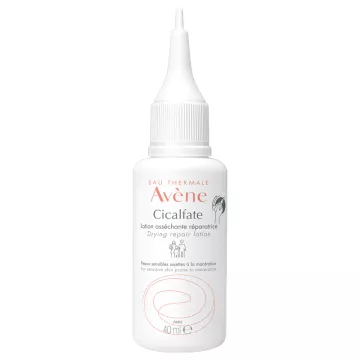
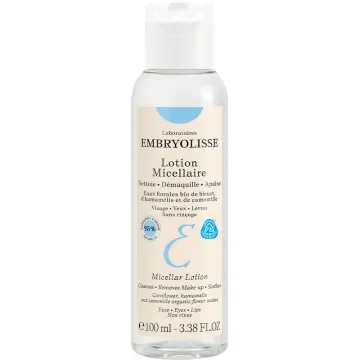
A soothing lotion is a cosmetic product formulated to alleviate feelings of skin discomfort and soothe temporary skin irritations.
This type of lotion contains active ingredients known for their soothing properties: aloe vera, bisabolol, allantoin, and soothing plant extracts.
When applied to the skin, it forms a comfortable film that hydrates, reduces feelings of tightness, and visibly minimizes superficial redness.
For those with reactive skin, check out our sensitive skin section, which offers a selection of suitable products.
The soothing lotion is particularly beneficial for sensitive, reactive skin or skin prone to mild skin allergies.
It is also helpful for normal skin that has been temporarily irritated by external factors such as sun, wind, cold, urban pollution, or poorly tolerated cosmetics.
For skin prone to atopic conditions, a soothing lotion can complement a skincare routine, though it should not replace a prescribed medical treatment.
Never apply a cosmetic lotion to broken skin, an open wound, or active eczema without first consulting a doctor.
A high-quality soothing lotion combines several active ingredients known for their skin-friendly properties and cosmetic effectiveness:
To maximize the benefits of a soothing lotion, apply it to clean, dry skin after cleansing your face.
Use gentle, delicate motions to spread the product over your face and body, focusing on dry or particularly sensitive areas.
Application in the morning and evening is generally recommended, or as needed in cases of temporarily reactive skin.
Perform a patch test on the inside of your elbow 48 hours before first use, especially if you have hypersensitive or allergic skin.
Certain common mistakes can compromise the effectiveness or tolerability of a soothing lotion.
Avoid formulas containing high concentrations of denatured alcohol or harsh synthetic fragrances, which can paradoxically further irritate reactive skin.
Never apply a cosmetic lotion to broken skin, an open wound, active eczema, or weeping dermatitis without first consulting a dermatologist.
Discontinue use and consult a healthcare professional ifsymptoms worsen, redness persists, or you experience a burning sensation.
A soothing lotion is formulated to alleviate discomfort and visibly reduce redness using targeted soothing ingredients.
Moisturizing cream focuses primarily on hydrating and nourishing the skin, using humectants (hyaluronic acid, glycerin) and emollients (butters, plant oils).
Soothing lotions can also hydrate, but their priority remains restoring skin comfort to skin that is temporarily uncomfortable.
Both products are perfectly complementary in a daily routine tailored to sensitive or reactive skin.
Soothing lotions can be beneficial for acne-prone skin, provided you choose a suitable formula.
Opt for lotions that are free of rich or comedogenic oils and contain regulating active ingredients like zinc or niacinamide, which soothe without weighing down the skin.
These active ingredients help visually reduce the inflammatory appearance of blemishes without clogging pores.
Formoderate to severe acne, consult a dermatologist who can prescribe an appropriate medical treatment; a soothing lotion remains a complementary cosmetic product for comfort.
Some soothing lotions are formulated for versatile use on both the face and body, but caution is still advised.
Formulas designed for the face are generally lighter and non-comedogenic, suited to the thinner, more exposed skin of the face.
Formulas for the body may be richer to treat larger areas, which are often drier or exposed to friction (knees, elbows).
Always check the manufacturer’s instructions before using the same product all over your body.
To incorporate a soothing lotion into your routine, apply it after cleansing and before serums or moisturizers.
In the morning, it soothes the skin after showering and prepares it for the next steps (serum, moisturizer, sunscreen); in the evening, it calms irritations that have built up throughout the day.
It can also be applied as needed throughout the day for a quick comfort boost, especially after exposure to the sun, wind, or cold.
For a complete routine, browse our selection of facial cleansers and choose a gentle formula suited to your skin type.
A well-tolerated soothing lotion results in several gradual positive signs.
You’ll notice a visible reduction in superficial redness, an increased sense of comfort, and less itching or tightness.
Overall, your skin will appear calmer, better hydrated, and less reactive to common irritants (cosmetics, environmental factors).
If you experience an adverse reaction (persistent stinging, increased redness, or a burning sensation), stop using the product and consult a dermatologist.