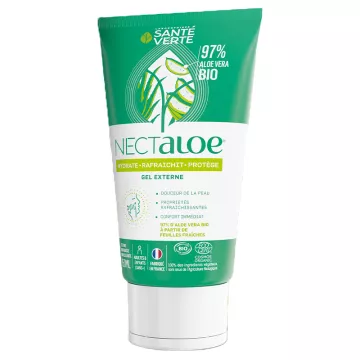
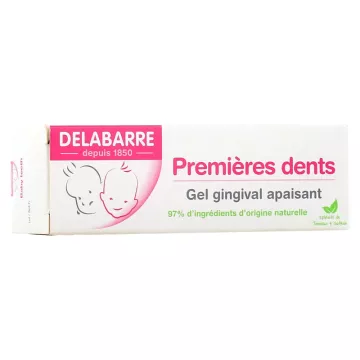
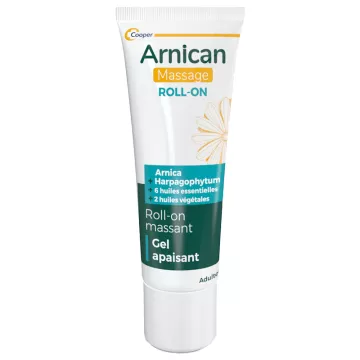
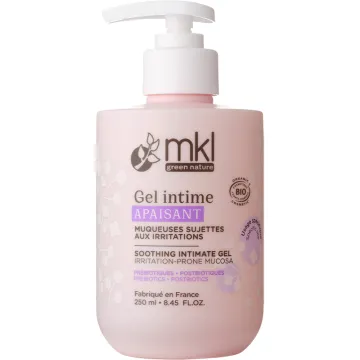
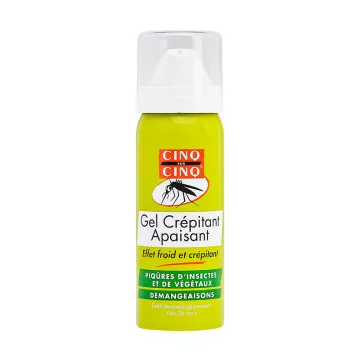
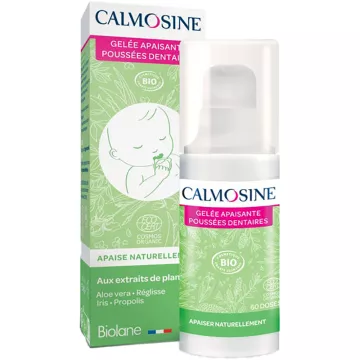
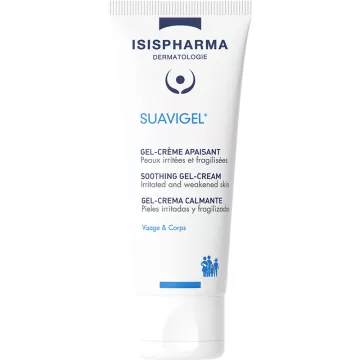
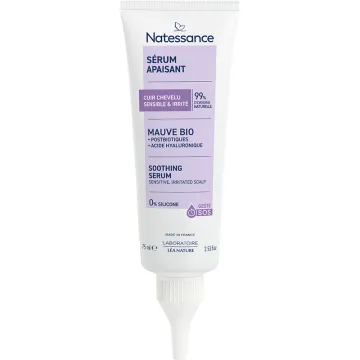
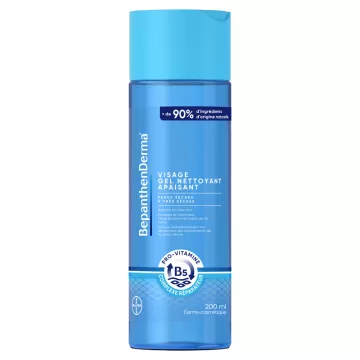
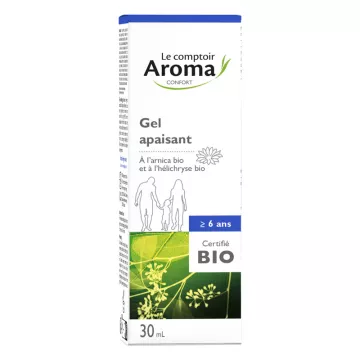
A soothing gel is a cosmetic product formulated to relieve feelings of skin discomfort, such as tightness, heat, subjective redness, and dryness.
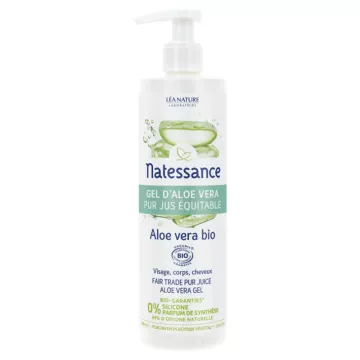
It typically contains soothing active ingredients such asaloe vera, bisabolol, panthenol (vitamin B5), allantoin, or chamomile extracts, which are known for their soothing properties.
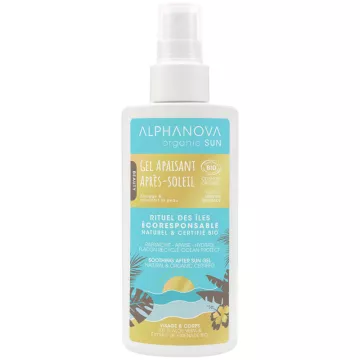
The gel texture provides an immediate cooling sensation, ideal after sun exposure or when the skin feels hot.
It forms a thin layer on the skin’s surface and visibly supports skin comfort, though it is not intended as a medical treatment.
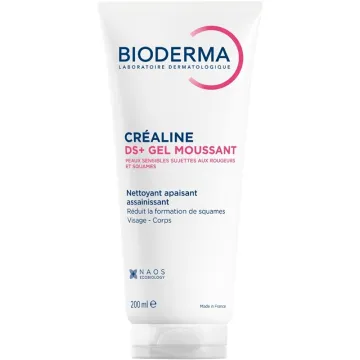
The soothing gel is suitable for a wide range of skin types, particularly sensitive, reactive, or irritated skin.
It is appreciated after prolonged sun exposure, in cases of superficial insect bites, or when experiencing a sensation of skin warmth in everyday life.
After a chemical peel, dermabrasion, or laser treatment, the use of any cosmetic product requiresprior consultation with the dermatologist who performed the procedure: skin following such procedures is fragile and requires a tailored regimen.
Most formulas are well-tolerated and non-comedogenic, but a contact allergy is always possible: perform a 48-hour skin test on the inner elbow before first use.
The soothing gel can be used as part of your daily routine to provide a sensation of comfort and freshness:
Apply a thin layer to clean skin after cleansing. Reapply 1 to 2 times a day as needed, on intact skin only.
After a chemical peel, laser treatment, microneedling, or any other aesthetic procedure, the skin is temporarily weakened and more reactive.
Important: Strictly follow the post-procedure care protocol prescribed by the dermatologist or esthetician who performed the treatment. Do not use any cosmetic products not recommended by the professional.
A suitable soothing gel, approved by your practitioner, can be used to provide a sense of comfort, alleviate tightness, and visually support the skin’s barrier function during the recovery phase.
Post-procedure medical follow-up remains essential to identify any unusual reactions (persistent redness, swelling, pain, infection).
When choosing a suitable soothing gel, consider the following criteria:
Preservatives in European cosmetics are regulated by Regulation (EC) 1223/2009; several long-chain parabens have been banned in the EU since 2014, while others remain permitted at regulated concentrations.
The soothing gel is a cosmetic product: it is never a substitute for medical treatment.
For chronic skin conditions (eczema, psoriasis, atopic dermatitis, rosacea), only a dermatologist can make a diagnosis and prescribe the appropriate treatment (topical corticosteroids, immunomodulators, phototherapy, etc.).
A soothing gel may, in some cases, complement the treatment plan—as a supplementary measure and with the dermatologist’s approval—to provide a sense of comfort between flare-ups.
Any regular use of cosmetic products on affected skin must be preceded by a medical consultation.
To incorporate a soothing gel into your daily routine:
Can be used morning and night as needed, or as needed in case of specificskin discomfort (after exercise, after shaving, after exposure to wind).
The shelf life of a soothing gel after opening generally ranges from 6 to 12 months, depending on the formula and the preservatives used.
Check the PAO (period after opening) on the packaging: a symbol of an open jar with a number followed by “M” (months).
Store the product in a cool, dry place, away from direct light and heat (never in a car in direct sunlight).
If the product’sappearance, color, smell, or texture changes, stop using it.
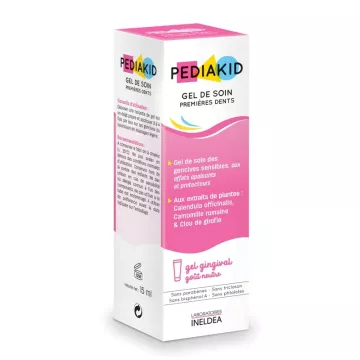
A soothing gel can generally be used on children’s skin, provided you choose a suitable pediatric formula.
Opt for formulas that are: hypoallergenic, fragrance-free, alcohol-free, free of known allergens, and contain simple, natural active ingredients (aloe vera, calendula, panthenol).
Infants under 3 months: Consult a pediatrician before any regular use of cosmetic products. For infants and young children, choose products that are explicitly certified as pediatric-safe.
Always perform a skin test on the inner elbow 48 hours before first use on a child.
No, it is never recommended to apply a cosmetic soothing gel to an open, weeping, infected, or unhealed wound.
Cosmetic soothing gels are designed for intact skin or skin that is slightly irritated (sunburn without blisters, superficial insect bites, or feelings of discomfort).
For any open wound, extensive burn, deep wound, or wound suspected of being infected, consult a doctor or pharmacist, who will recommend the appropriate medical treatment (antiseptic, bandage, or antibiotic therapy if necessary).
Also check your tetanus vaccination status in the event of a contaminated wound or a wound caused by a foreign object.
There are several reliable indicators to help you identify a high-quality soothing gel: