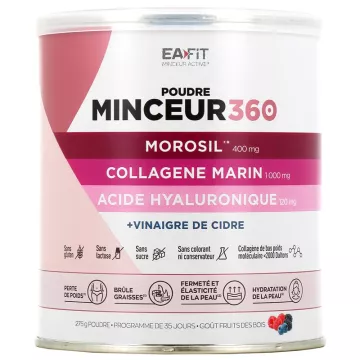
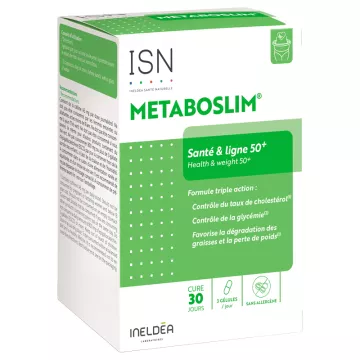
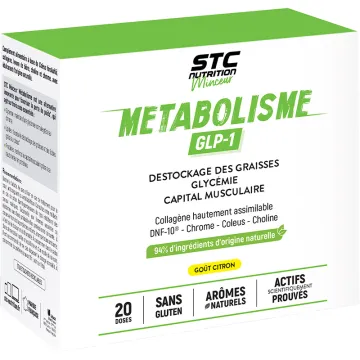
Losing weight for the long term means moving beyond restrictive diets and adopting a holistic approach. The combination of a balanced diet, regular physical activity, and metabolism support provides the strongest foundation. Dietary supplements— fat burners, natural appetite suppressants, and drainage-promoting ingredients—can support this process, provided they are part of a consistent lifestyle and do not replace it. ANSES emphasizes that no supplement produces significant results without a proper diet and regular physical activity.
The quality of food often takes precedence over simply counting calories. Prioritizing foods with a low glycemic index—legumes, whole grains, and high-fiber vegetables—helps maintain stable blood sugar levels, limit insulin spikes, and reduce fat storage. Lean proteins (poultry, fish, eggs) are particularly valuable: they prolong feelings of fullness and preserve muscle mass, which plays a crucial role in maintaining resting energy expenditure. Reducing added sugars and ultra-processed foods remains one of the most accessible strategies, without requiring rigorous calorie counting.
The health of the gut microbiota is now recognized as a factor influencing weight management. A balanced gut microbiota improves digestion, modulates nutrient absorption, and helps regulate satiety through the production of certain short-chain fatty acids. Probiotics —found in fermented milk products, kefir, or as dietary supplements—can help restore balance to this ecosystem, particularly after disruptions caused by a low-fiber diet or prolonged antibiotic treatment.
Two main types of exercise complement each other effectively to promote weight loss without sacrificing lean body mass:
Combining both types of exercise, at a rate of three to five sessions per week, optimizes results without risking counterproductive overexertion. Intensity and duration can be gradually increased over the course of several weeks to counteract the metabolic adaptation that inevitably occurs with any weight-loss program.
Plant-based drainage does not cause weight loss in the strict sense, but it supports the elimination of water retained in the tissues and alleviates the sensation of heavy legs or a bloated stomach often associated with periods of dietary restriction. When incorporated into a structured weight-loss program, it improves overall comfort and can boost motivation by making early results more visible. Green tea, which is both a mild diuretic and thermogenic, combines these two effects by modestly supporting energy expenditure and facilitating renal elimination.
Sleep deprivation disrupts two key hormones: leptin, which signals satiety, and ghrelin, which stimulates appetite. This results in an increased craving for high-calorie foods and fatigue that hinders physical activity. Aiming for seven to nine hours of sleep per night is a simple yet crucial lifestyle choice. Psychologically, setting realistic and incremental goals, recognizing emotional eating patterns, and celebrating small victories can help prevent compulsive overeating and establish lasting habits. When obstacles persist despite your efforts, support from a dietitian or a specialized psychologist can significantly help break through these barriers.