A skin concern refers to any unusual or persistent skin condition: breakouts, patches, redness, itching, flaking, or sensitivity. The term covers a wide variety of conditions that require different cosmetic active ingredients. Understanding which symptom corresponds to which type of condition helps guide you toward the right skincare line. The rule that applies to all skin types: protect the skin barrier to prevent a minor problem from becoming chronic.
Some practical guidelines:
The modern dermo-cosmetic arsenal offers proven active ingredients tailored to specific needs. Niacinamide (2–5%) regulates sebum production and improves overall skin tolerance, making it ideal for combination to oily skin. Panthenol (vitamin B5) restores and soothes, essential for compromised skin. Centella asiatica soothes and supports the healing of micro-lesions.Hyaluronic acid deeply hydrates without feeling heavy. Bisabolol andallantoin round out the soothing arsenal.Aloe vera remains a safe and well-tolerated classic.
A tailored routine consists of 3 to 5 carefully selected products —never more. Sensitive skin: fragrance-free syndet cleanser, soothing centella serum, lipid-replenishing cream with ceramides, mineral sunscreen SPF 50. Combination skin prone to breakouts: gentle cleansing gel, niacinamide serum, lightweight non-comedogenic moisturizer, targeted spot treatment with salicylic acid (BHA). Dry, fragile skin: an oil-based cleanser, hyaluronic acid serum applied to damp skin, a rich lipid-replenishing balm, and a nighttime barrier treatment. Reactive skin: a minimalist 3-product routine, free of harsh active ingredients, with systematic patch tests on the inner elbow.
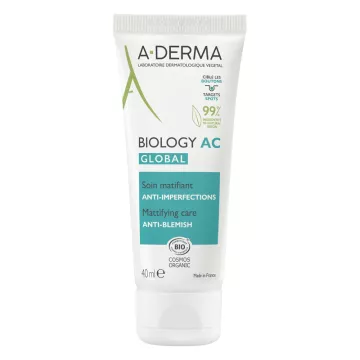
Several dermo-cosmetic brands have built their expertise around skin tolerance: Avène’s Tolérance line, La Roche-Posay’s Toleriane, Bioderma’s Sensibio, Cicabiafine, Eucerin, Uriage, and A-Derma. Their formulas feature short INCI lists, validated preservatives, fragrance allergens excluded, and thermal waters with documented soothing properties. For skin with specific conditions (atopic dermatitis, rosacea, post-dermatological treatment), these lines remain the gold standard in pharmaceutical recommendations.
Beyond topical care: