There are four main skin types: normal, oily, dry, and combination. To identify your skin type, cleanse your face and wait an hour without applying any skincare products. If your skin is shiny all over your face, it’s oily. If it feels tight or has flaky patches, it’s dry. Normal skin remains balanced, without excess oil or discomfort. Combination skin, on the other hand, has an oily T-zone (forehead, nose, and chin) paired with dry or normal cheeks.
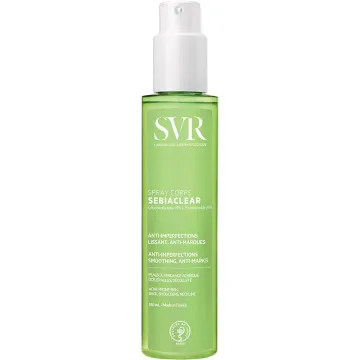
To care for oily skin, choose non-comedogenic products with a light texture. Cleanse your face morning and night with a gentle gel, then apply an oil-free moisturizer. Active ingredients like salicylic acid and benzoyl peroxide regulate excess sebum and prevent breakouts. A weekly chemical exfoliant containing glycolic acid also gently unclogs pores.
Dry skin requires skincare products rich in nourishing plant oils and ceramides. Remove makeup with a cleansing milk or oil, then immediately apply a rich moisturizer to lock in moisture. Active ingredients like hyaluronic acid and glycerin draw water into the skin’s outer layers. Avoid products containing alcohol or sulfates: they exacerbate dryness and weaken the skin barrier.
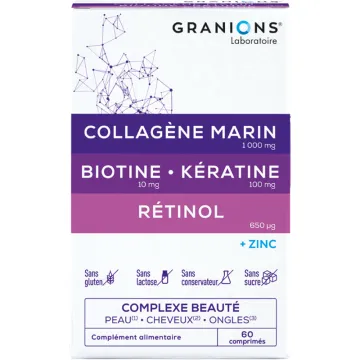
Retinol, a derivative of vitamin A, is one of the most powerful anti-aging ingredients. It accelerates cell turnover, reduces wrinkles and fine lines, and refines skin texture. It also fades dark spots and hyperpigmentation. Start with a low concentration to minimize irritation, then gradually increase the frequency of application over the course of several weeks.
Applying sunscreen daily protects the skin from UV rays, which are responsible for premature aging and the majority of skin cancers. Even on cloudy days or in winter, UV rays penetrate the clouds and damage the skin. Choose a broad-spectrum sunscreen with an SPF of at least 30, and reapply every two hours during prolonged exposure.
To prevent dark spots (or hyperpigmentation), apply sunscreen daily along with antioxidant ingredients such as vitamin C. To fade them, use brightening serums containing kojic acid, azelaic acid, or hydroquinone. Chemical peels and laser treatments performed by a professional remain the most effective options for stubborn dark spots.
Hyaluronic acid retains up to 1,000 times its weight in water, making it an exceptional moisturizing agent. It visibly plumps the skin, reduces wrinkles, and improves overall skin texture. Serums and creams enriched with hyaluronic acid are particularly suitable for dry and dehydrated skin in need of comfort and suppleness.
Collagen provides structure to the skin and supports its natural firmness. Creams and serums enriched with collagen stimulate the skin’s own production of this protein and visibly improve skin elasticity. Combine them with antioxidants and peptides to maximize the benefits. A diet rich in vitamin C, zinc, and essential amino acids also supports natural collagen synthesis.
An effective skincare routine is built around four fundamental steps: cleansing, toning, moisturizing, and sun protection. Cleansing removes impurities and makeup residue. Toning rebalances the skin’s pH. Moisturizing maintains comfort and elasticity. Sun protection prevents UV damage. Follow up with targeted serums (for acne, anti-aging, or dark spots) to address your specific concerns.
To select the right products, first identify your skin type and specific concerns. Carefully read the labels and look for active ingredients that benefit your skin type. For example, salicylic acid is ideal for oily skin, while hyaluronic acid is better suited for dry skin. Consult a dermatologist for personalized recommendations if you have persistent skin issues.
Face masks deliver a high concentration of active ingredients to address specific issues on an as-needed basis. Moisturizing formulas, enriched with hyaluronic acid or glycerin, restore comfort and suppleness. Clay or activated charcoal masks absorb excess sebum and purify the pores of oily skin. Masks containing enzymes or acids (such as glycolic acid) gently exfoliate to reveal a more radiant complexion. For anti-aging care, discover our dedicated line of anti-wrinkle masks.
Antioxidants protect the skin from damage caused by free radicals, which are responsible for premature aging. Serums combining vitamin C, vitamin E, and resveratrol effectively neutralize these free radicals and boost the skin’s radiance. Apply an antioxidant serum in the morning, followed by a broad-spectrum sunscreen for optimal protection against environmental aggressors (pollution, UV rays).
Peptides are short chains of amino acids that stimulate the production of collagen and elastin, two key proteins responsible for skin firmness and elasticity. Products enriched with peptides reduce wrinkles and fine lines, refine skin texture, and support cellular repair. Incorporate peptide-infused serums and creams into your routine to strengthen the skin barrier and maintain visibly younger, firmer skin.
Sensitive skin requires gentle, soothing care to prevent irritation. Use hypoallergenic, fragrance-free cleansers specifically formulated for reactive skin. Then apply moisturizers enriched with soothing ingredients such asaloe vera, colloidal oatmeal, or allantoin. Avoid products containing sulfates, parabens, or alcohol. Always test any new product on a small area before applying it to your entire face.
Chronic stress causes acne breakouts, dullness, and accelerated signs of aging. Cortisol, the main stress hormone, stimulates sebum production and worsens breakouts. To minimize these effects, adopt proven techniques: meditation, yoga, regular sleep, and physical activity. Supplement your skincare routine with soothing ingredients like niacinamide and chamomile oil.