0
Menu

Skin Care: Preventing the Signs of Aging and Preserving Natural Radiance

Filter
Number of products : 16
Sort
Sort
Close
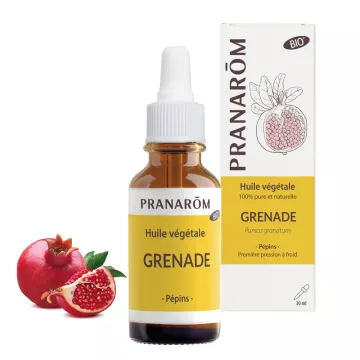
Pranarom Organic Pomegranate Vegetable Oil, 30 ml, Dropper Bottle Pranarom Organic Pomegranate Vegetable Oil, 30 ml, Dropper Bottle
€11.59
Shipped within 24h
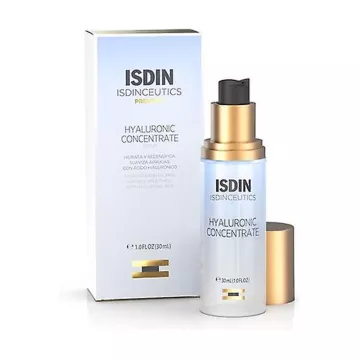
Isdin Hyaluronic Concentrate Serum 30 ml Isdin Hyaluronic Concentrate Serum 30 ml
€46.90
Shipped within 24h
Vitall+ Pure Marine Collagen 1000mg 30 tablets Vitall+ Pure Marine Collagen 1000mg 30 tablets
€30.65
Shipped within 24h
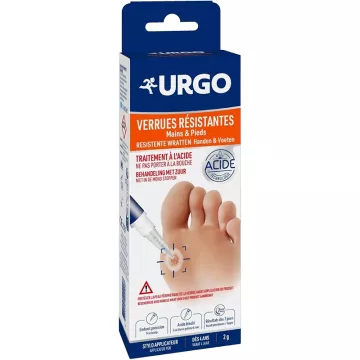
Urgo Stubborn Warts Pen, 1.5 ml Urgo Stubborn Warts Pen, 1.5 ml
€16.39
Shipped within 24h
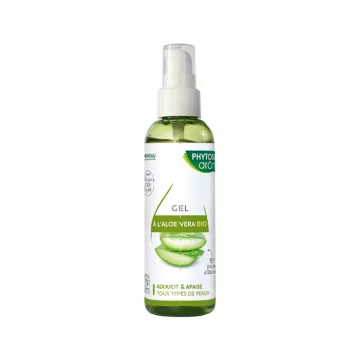
Phytosun Aroms Aloe Vera Gel 100 ml Phytosun Aroms Aloe Vera Gel 100 ml
€9.30
Shipped within 24h
Ladrôme Organic Fresh Plant Extracts: Calendula Officinalis 50 ml Ladrôme Organic Fresh Plant Extracts: Calendula Officinalis 50 ml
€7.20
Shipped within 24h
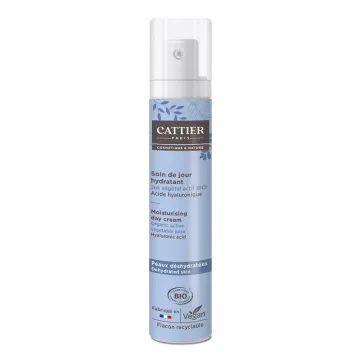
Cattier Moisturizing Day Care 50 ml Cattier Moisturizing Day Care 50 ml
€19.36
Shipped within 24h
RuboZinc 15 mg Zinc, 30 capsules RuboZinc 15 mg Zinc, 30 capsules
€5.79
Shipped within 24h
Jonzac High Tolerance 24hr Unscented Deo Roll-on Jonzac High Tolerance 24hr Unscented Deo Roll-on
€6.90
Shipped within 24h
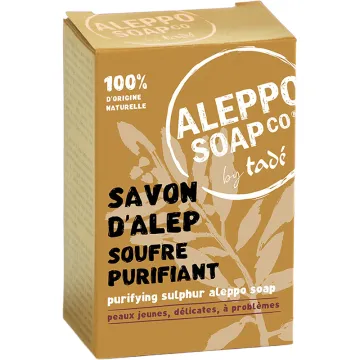
Tadé Purifying Aleppo Sulfur Soap 150g Tadé Purifying Aleppo Sulfur Soap 150g
€4.96
Shipped in 5 to 7 working days
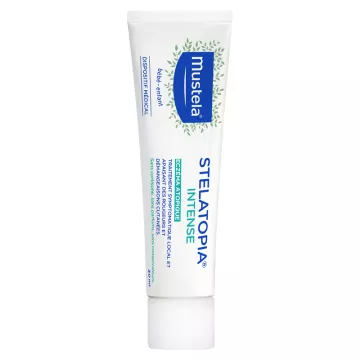
Mustela Baby & Child Stelatopia Intensive Cream for Atopic Eczema, 30 ml Mustela Baby & Child Stelatopia Intensive Cream for Atopic Eczema, 30 ml
€13.49
Shipped in 5 to 7 working days

Why is skincare important?

Skincare plays a crucial role in maintaining the integrity of the skin barrier, protecting against external aggressors, and preventing premature aging. A tailored routine transforms the overall appearance of the face, reduces the signs of aging, and addresses specific concerns such as acne or dark spots. Taking care of your skin also enhances its elasticity and radiance, resulting in a visibly younger and healthier complexion.

What are the different skin types, and how can you identify them?

There are four main skin types: normal, dry, oily, and combination.

  • Normal skin: balanced texture, few visible skin issues.
  • Dry skin: a tight feeling and a tendency to flake, which are typical characteristics of dry skin.
  • Oily skin: Excessive shine, enlarged pores, and abundant sebum—all signs of oily skin.
  • Combination skin: an oily T-zone (forehead, nose, chin) and dry or normal cheeks, which is typical of combination skin.

To accurately identify your skin type, observe how your skin reacts one hour after cleansing. A consultation with a dermatologist can also help refine this diagnosis if you’re unsure.

What are the essential steps in a skincare routine?

An effective skincare routine revolves around four fundamental steps:

  1. Cleansing: Use a gentle cleanser suited to your skin type, morning and night.
  2. Toning: Apply a toner to rebalance the skin’s pH and visibly tighten pores.
  3. Moisturizing: Nourish your skin with a moisturizer suited to your specific needs.
  4. Sun protection: Apply sunscreen every morning with an SPF appropriate for your level of sun exposure.

Exfoliation and the application of serums or targeted treatments (anti-aging, anti-blemish) usefully complement this basic routine.

Which ingredients are most beneficial for the skin?

Several essential active ingredients provide long-lasting improvements to skin quality:

  • Hyaluronic acid: intense hydration and an immediate plumping effect.
  • Retinol: powerful anti-aging action; visibly reduces wrinkles and fine lines.
  • Vitamin C: brightens the complexion and fights free radicals thanks to its antioxidant power.
  • Niacinamide: refines skin texture, reduces redness, and regulates sebum production.

Incorporating products containing these active ingredients significantly transforms the health and appearance of your skin over the course of several weeks.

How to Prevent and Treat Acne?

To prevent and treat acne, follow a rigorous and consistent routine:

  • Cleanse your skin morning and night with a gentle, non-comedogenic cleanser.
  • Use only non-comedogenic products to avoid clogging pores.
  • Apply topical treatments containing benzoyl peroxide or salicylic acid, which are essential for persistentacne.
  • Avoid touching your face to limit the spread of bacteria.

Consult a dermatologist if you have severe acne to discuss advanced treatment options (oral antibiotics, targeted hormonal therapies).

Why is sun protection essential?

Sun protection remains the most powerful anti-aging measure: it prevents damage from UV rays, which cause premature aging, dark spots, and an increased risk of skin cancer. Choose a broad-spectrum sunscreen with an SPF of at least 30 and apply it every morning, even on cloudy days. Reapply every two hours during prolonged sun exposure.

What are the benefits of professional treatments?

Professional treatments —chemical peels, microdermabrasion, laser treatments—offer significant benefits when used in addition to a home skincare routine:

  • Visible improvement in skin texture and evenness of skin tone.
  • Reduction of acne scars and stubborn dark spots.
  • Stimulation of collagen production for firmer, more toned skin.

These treatments must be performed by a qualified professional to ensure optimal results and minimize risks.

How can you incorporate anti-aging skincare into your routine?

To effectively incorporate anti-aging skincare into your routine, follow these dermatological recommendations:

  • Apply a retinol serum at night to stimulate cell regeneration.
  • Choose a cream enriched with peptides to support skin elasticity.
  • Maintain intense hydration and always protect your skin with sunscreen to preserve the effectiveness of the active ingredients.

Start following these steps as soon as you notice the first signs of aging. Also explore our anti-aging skincare line to complete your daily routine.

What are the effects of stress on the skin?

Chronic stress visibly degrades skin quality and can cause, in particular:

  • Skin breakouts and flare-ups of inflammatory acne.
  • A marked increase in sebum production.
  • Weakening of the skin barrier and increased dehydration.

To minimize these effects, incorporate stress management techniques (meditation, regular exercise, a balanced diet) and complement your routine with soothing and moisturizing skincare products designed to restore the skin barrier.

How do you choose the right skincare products?

To choose the right products, consider three key criteria:

  • Skin type: tailor each product to your specific skin type (dry, oily, combination, normal).
  • Ingredients: Look for recognized active ingredients such as hyaluronic acid, retinol, and vitamin C.
  • Specific concerns: Choose products that address your specific concerns (acne, anti-aging, hydration, dark spots).

If in doubt, consult a dermatologist for personalized recommendations and to avoid costly mistakes when choosing products.

How does diet affect the skin?

Diet directly affects skin health. A balanced diet rich in antioxidants, vitamins, and minerals visibly improves the appearance and quality of the skin. Omega-3 fatty acids (found in fish, nuts, and seeds) help maintain hydration and suppleness. Fruits and vegetables rich in vitamins C and E protect against oxidative damage. On the other hand, limit processed foods, sugary foods, and foods high in saturated fats: they worsen acne and fuel skin inflammation.

How can you treat pigment spots?

There are several effective approaches to treating pigment spots (or hyperpigmentation):

  • Skin-lightening products: serums containing vitamin C, kojic acid, or hydroquinone to fade localized spots.
  • Chemical exfoliation: AHAs (alpha-hydroxy acids) and BHAs (beta-hydroxy acids) gently exfoliate and fade surface pigmentation.
  • Laser treatments: Fractional lasers and intense pulsed light (IPL) target deep-seated pigment for long-lasting reduction.

Consult a dermatologist to determine the treatment best suited to your skin type and the severity of your hyperpigmentation.

What role do peptides play in skincare?

Peptides are short chains of amino acids that play a role in skin regeneration and repair. They stimulate collagen production, which improves the skin’s elasticity and firmness. Peptides also reduce the appearance of wrinkles and fine lines. Peptide-enriched serums and creams refine skin texture and promote visibly younger, revitalized skin. Incorporate them into your daily routine for gradual, long-lasting results.

How do hormonal changes affect the skin?

Hormonal changes (puberty, pregnancy, menopause) significantly alter the skin and often cause:

  • Hormonal acne: localized breakouts on the chin and jawline.
  • Dry skin: particularly pronounced during menopause.
  • Hyperpigmentation: the appearance of melasma or “pregnancy mask.”

Adapt your skincare routine to the specific needs of each hormonal phase. Consult a dermatologist to explore topical or hormonal treatments if symptoms persist.

Why is exfoliation essential for the skin?

Exfoliation removes dead skin cells that have accumulated on the skin’s surface, promotes cell renewal, and reveals a more even and radiant complexion. There are two types of exfoliants:

  • Mechanical exfoliants: composed of abrasive particles that physically scrub the skin’s surface.
  • Chemical exfoliants: acid-based (AHAs, BHAs) that dissolve dead skin cells without friction.

Exfoliation also improves the absorption of other active ingredients applied afterward. Exfoliate your skin once or twice a week, depending on your skin’s tolerance, to avoid irritation and weakening of the skin barrier.