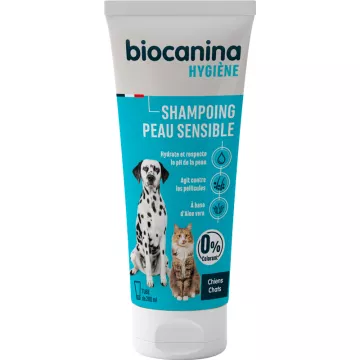
Short-haired dogs and cats (Labrador, Boxer, Beagle, Bulldog, British Shorthair, European cat) have skin that is more directly exposed to external irritants than long-haired or thick-coated breeds. The protective keratin layer is thinner, making the skin more vulnerable to parasites and irritants. The most common skin problems include atopic dermatitis (environmental allergies, often hereditary in Labradors, Bulldogs, and Dalmatians), seborrhea (excessive sebum production, strong odor, greasy coat), and bacterial folliculitis (infection of the hair follicles, pimples, scabs). Calendula (Calendula officinalis, flavonoids, and triterpenes) is a soothing and regenerating active ingredient particularly well-suited for shampoos designed for the sensitive skin of short-haired animals.
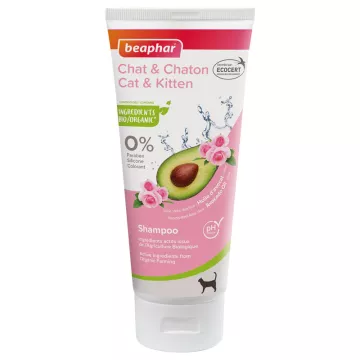
Cats groom themselves using their corneal papillae—a bath is generally only necessary in specific cases: severe soiling, treatment for resistant parasites, advanced seborrhea, or a veterinarian’s recommendation. A cat’s skin pH (6.2–7.2) differs from that of dogs and humans—using a shampoo specifically formulated for cats is essential to avoid disrupting the hydrolipidic film. No-rinse shampoos (sprays or foams to massage in and then wipe off) are the most practical solution for cats that are reluctant to bathe. Borage (Borago officinalis, rich in gamma-linolenic acid/GLA) is an active ingredient for treating dry and atopic skin in cats—available in capsules to be pierced for direct application to the coat or as an oral dietary supplement.
Brushing a short-haired dog requires specialized tools, different from those used for long-haired breeds:
Eveningprimrose (Oenothera biennis, an oil rich in linoleic acid and GLA) is used as a dietary supplement for dogs suffering from recurrent dry dermatitis—the omega-6 content improves ceramide production and reduces transepidermal water loss.
Dry skin, flaking, and dandruff are common in certain short-haired breeds (Dalmatian, Bull Terrier, Akita). The most effective active ingredients include salicylic acid (keratolytic, removes dead cells), sulfur (anti-seborrheic), zinc pyrithione (antifungal and anti-seborrheic), and colloidal oatmeal (soothing and film-forming). Vitamin B3 (niacin/niacinamide) enhances the synthesis of skin ceramides and reduces transepidermal water loss—it is increasingly being incorporated into veterinary shampoos and conditioners for dry skin. Vitamin B2 (riboflavin), a cofactor in skin cellular respiration, can also support skin health in deficient animals.
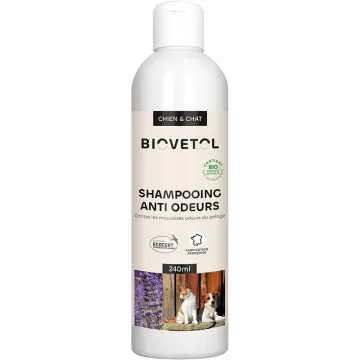
Short-haired dogs often have a more pronounced body odor—their more exposed skin comes into direct contact with the environment, and sebum is not filtered by a thick coat of hair. Anti-odor shampoos containing natural enzymes (proteases, lipases) break down odor-causing compounds produced by skin bacteria without masking them with irritating synthetic fragrances. Dry skin often leads to increased bacterial growth on the surface—treating it improves both skin health and odor. A bath every two months, combined with daily grooming with a washcloth, is generally sufficient to maintain optimal hygiene.