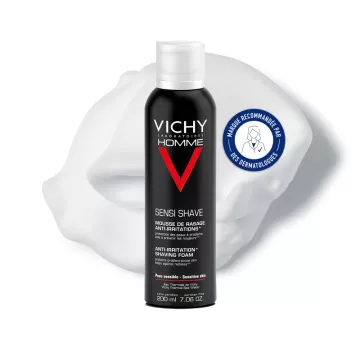
Shaving foam is an aerated emulsion whose microbubble structure performs several functions simultaneously:
As the standard humectant in shaving formulas, vegetable glycerin retains moisture on the surface of the hair and skin throughout the entire shaving process thanks to its hygroscopic properties. At concentrations of 5–15%, it reduces transepidermal water loss (TEWL) from skin exposed to the razor blade, preventing a tight, dry feeling. Its biocompatibility is superior to that of propylene glycol (which is irritating at high doses)—it is well-tolerated by all skin flora. Caution: at concentrations above 30%, it can have the opposite effect and cause dehydration through osmosis.
Incorporatingsalicylic acid (BHA, 0.5–2%) into shaving cream is a documented preventive measure against ingrown hairs. Its fat-soluble nature allows it to penetrate the follicles and dissolve the obstructing keratin—a direct preventive mechanism. It inhibits COX-1 and COX-2 (local anti-inflammatory effect) and reduces C. acnes colonization in open follicles. Avoid use on open cuts or on very sensitive skin during the first use.
A source of azulene (chamazulene)—a blue pigment formed during distillation— chamomile (Matricaria chamomilla) is the go-to anti-irritant active ingredient for skin that is hypersensitive to shaving. Its azulene inhibits the release of histamine and leukotriene B4 (mediators of acute inflammation), providing immediate anti-allergic relief. Its alpha-bisabolol inhibits NF-kB and promotes the healing of micro-lesions. Clinical studies confirm the standardized extract’s anti-inflammatory activity on the skin in cases of persistent post-shave redness.
Two complementary active ingredients to improve the tolerability of shaving formulas:
Glycolic acid (a smaller-molecule AHA, 1–3% in shaving formulas) provides a documented pre-shave benefit. It helps slightly ingrown hairs rise to the surface before shaving and smooths out keratotic roughness that causes the blade to veer off course. With regular use, it thickens the dermis and improves the skin’s mechanical resistance to repeated irritation from chronic shaving. Precautions: photosensitizing—apply SPF in the morning. Not recommended for irritated skin or skin with open cuts.