What is a scratch?
A scratch is a very superficial linear wound, often as fine as a scratch mark, that affects only the epidermis and sometimes the outermost layer of the dermis. It typically results from a brief, gliding contact with a sharp point or edge: a fingernail, a thorn, a twig, paper, a toy, an animal’s claw, or a piece of wire. Minimal, intermittent bleeding, a brief stinging sensation, and sometimes itching—the wound usually heals without issue within a few days. However, certain situations—particularly animal scratches—require special vigilance to prevent specific infectious complications.
How does it differ from other wounds?
Three clinical indicators help classify it correctly:
- Scratch: a fine, shallow line with spotty bleeding, caused by light contact with a sharp object or claws;
- Abrasion: a larger surface area, with the epidermis torn away by friction, accompanied by diffuse oozing;
- Cut: clean edges, variable depth, caused by a sharp object;
- Bite: irregular wound, often contused, high risk of bacterial and viral infection.
The classification guides treatment: a superficial scratch requires only simple care; a deep scratch or an animal bite may warrant medical attention.
What to do in case of a superficial scratch?
The standard 5-step protocol:
- Wash your hands thoroughly;
- Rinse the area under running water for 2 to 3 minutes;
- Gently clean the area with a mild, unscented liquid soap;
- Pat dry with a sterile gauze pad;
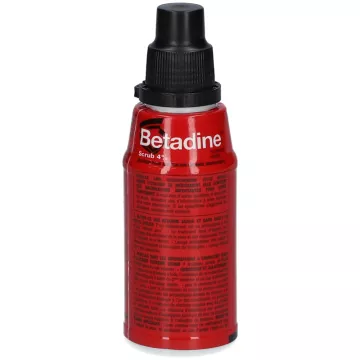
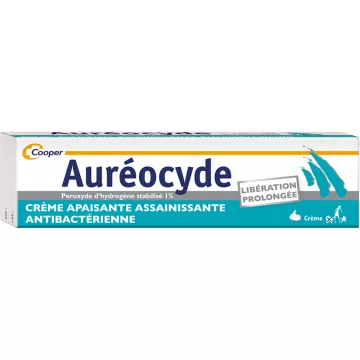
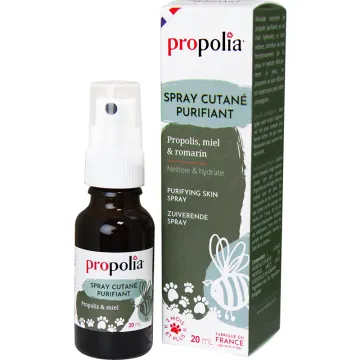
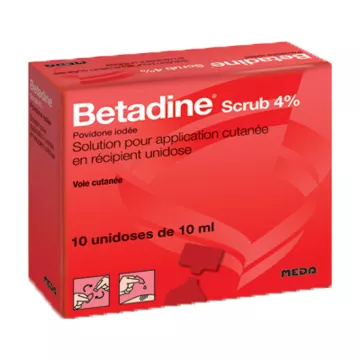
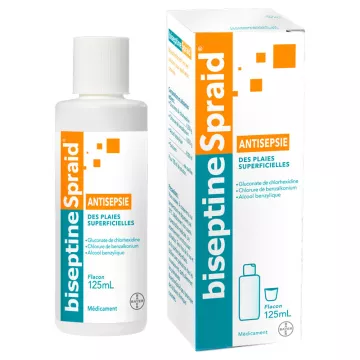
- Apply a suitable antiseptic solution (aqueous chlorhexidine as the first-line treatment);
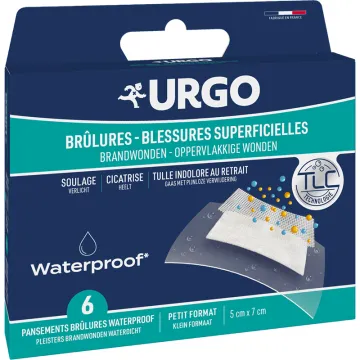
- Cover with a simple adhesive bandage if the area is exposed to friction, or leave uncovered in a protected area;
- Repeat the disinfection once a day for 2 to 3 days.
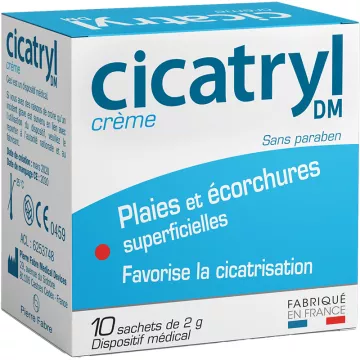
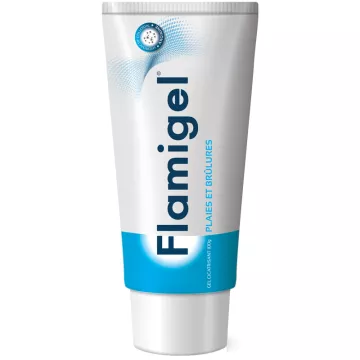
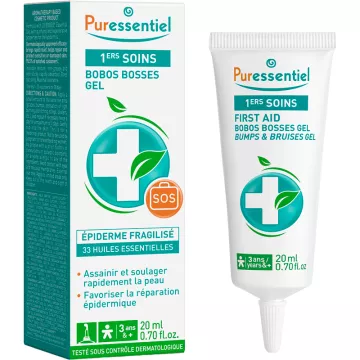
For highly exposed areas (face, hands), a healing balm containing Centella asiatica, panthenol, or allantoin aids in the healing process.
Should you be concerned about animal scratches?
Yes, more so than with an “ordinary” scratch. Animal claws carry a specific bacterial flora and can lead to specific infections:
- Cat scratch disease (bartonellosis): caused by Bartonella henselae, it presents 1 to 3 weeks after exposure with a papule, followed by a swollen and painful regional lymph node, and sometimes a fever. Medical consultation is essential; antibiotic treatment is possible;
- Pasteurellosis: an infection caused by Pasteurella multocida, a serious concern following cat scratches and especially bites. Rapid onset (3 to 24 hours) of intense redness, warmth, disproportionate pain, and sometimes discharge. Seek prompt medical attention; antibiotic therapy is required;
- Risk of rabies: In metropolitan France, the risk is extremely low but not zero (bats, imported animals). Any scratch or bite from a wild, stray, or unknown animal warrants prompt medical attention and notification to the designated rabies control center;
- Risk of tetanus: Tetanus vaccination status should be checked systematically.
Useful precaution: Wash thoroughly (for 10 minutes) with soap and water, disinfect the wound, and see a doctor within the same day for any animal scratch, even a superficial one.
What signs of infection should you watch for?
Warning signs within 24 to 72 hours after the scratch:
- Redness spreading beyond the edges of the original wound;
- Abnormal local warmth;
- Pain that intensifies instead of subsiding;
- Progressive swelling;
- Yellow or greenish pus-like discharge;
- A reddish streak extending up the limb (lymphangitis);
- Swollen and painful lymph node in the drainage area (armpit, groin, neck);
- Fever, chills, unusual fatigue;
- In the case of an animal scratch: closer monitoring for 2 to 3 weeks.
The appearance of even one of these signs requires a medical consultation.
How can you prevent a visible scar?
With a superficial scratch, the scar is usually invisible over time. A few precautions can help:
- Do not pick at the scab that forms—it protects the healing tissue;
- Avoid direct sunlight on the area for 4 to 6 weeks (post-inflammatory hyperpigmentation);
- Use SPF 50 sunscreen daily once the scab has fallen off;
- Apply a healing treatment (centella, allantoin, dexpanthenol) once the wound has closed;
- Gently massage the area for 2 to 3 minutes a day starting in the second week;
- Moisturize the skin regularly to keep the scar supple;
- On the face, avoid heavy makeup for the first few days.
What precautions should be taken for children?
Children frequently scratch themselves while playing: with each other, on toys, or when scratched by a family cat or dog. A few simple rules:
- Keep nails short to reduce the frequency of accidental scratches (both their own and those caused by other children);
- Teach them as early as possible to wash the scratch with “water and mild soap” at the bathroom sink;
- Choose colorful or patterned bandages to make the treatment less of a big deal;
- Check the tetanus vaccination record for booster dates;
- Any animal scratch—including those from a pet—on a young child’s face, neck, or hands requires a doctor’s visit;
- For children who tend to scratch their wounds (due to atopic skin or anxiety), pay particular attention to signs of secondary infection.
When should you see a doctor?
A doctor’s visit is necessary in the following situations:
- Any animal scratch, even if it appears minor;
- A deep, long scratch, or one in a functional area (palm, joint);
- Injuries to the eye, eyelids, or genitals;
- Signs of infection after 48–72 hours;
- A scratch on an immunocompromised person, a diabetic, or a frail elderly person;
- No healing after 10 to 15 days;
- Last tetanus booster more than 20 years ago or unknown vaccination status;
- Suspected bite (often mistaken for a deep scratch).
The community pharmacist remains the first point of contact for first aid and medical referral if necessary.