What are some best practices for protecting your skin every day?
To protect your skin effectively, your routine should include three key steps:
- Daily application of sunscreen with an SPF of 30 or 50—even on cloudy days—containing broad-spectrum UVA and UVB filters.
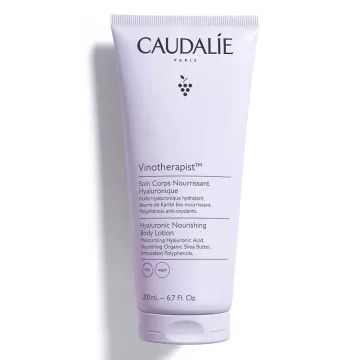
- Regularmoisturizing with a product suited to your skin type (dry, combination, oily, sensitive) to support the skin’s barrier function.
- Gently cleanse your skin morning and night with a pH-balanced product (around 5.5) that is free of harsh surfactants.
Helpful tips: quality sleep, a varied diet, stress management, and limiting aggravating factors (smoking, excessive alcohol, intense UV exposure).
Which ingredients effectively protect the skin?
Several cosmetic active ingredients have been the subject of encouraging studies:
- Antioxidants: stable vitamin C, vitamin E, niacinamide, plant polyphenols. Help neutralize environmental free radicals.
- Mineral sunscreens: zinc oxide and titanium dioxide, well-tolerated alternatives even for sensitive skin or children (according to current recommendations).
- New-generation organic filters: photostable, broad-spectrum, regulated by European Regulation (EC) No. 1223/2009.
- Cosmetic retinol: an antioxidant that supports skin renewal. Photosensitizing: apply in the evening; use SPF the next day. Not to be confused with medical retinoids (prescription-only; contraindicated during pregnancy due to their teratogenicity).
- Prioritize non-comedogenic formulations that have been dermatologically tested, particularly for sensitive skin.
How can you protect your skin from aging?
Skin aging is a normal biological process and cannot be reversed. Several approaches can help slow its progression and visually reduce its signs:
- Daily sun protection (the best-documented anti-aging measure).
- Skincare products enriched with bioactive peptides and hyaluronic acid: support skin elasticity.
- Stable vitamin C in the morning under SPF.
- Gradual-release cosmetic retinol in the evening.
- A varied diet rich in fruits, vegetables, nuts, and fatty fish (omega-3).
- Avoid tobacco, excessive alcohol, and intense UV exposure.
Marketing claims regarding “growth factors,” “plant stem cells,” or “cosmetic micro-injections” are often merely promotional language; objectively demonstrated clinical benefits should be evaluated on a case-by-case basis. For targeted procedures (peels, laser treatments, fillers), a prior consultation with a dermatologist or medical aesthetician is required.
What morning and evening routines should you follow to protect your skin?
In the morning: gentle cleansing, an antioxidant serum (stable vitamin C, niacinamide), a suitable moisturizer, and sunscreen with SPF 30 to 50.
In the evening: remove makeup if worn or waterproof SPF (sometimes double cleansing), gentle cleansing with lukewarm water, targeted treatment as needed (progressive cosmetic retinol, hyaluronic acid, niacinamide), moisturizing and nourishing night cream. Do not use retinoids and exfoliating acids together in the same routine: alternate them night by night to maintain skin tolerance.
What habits should you avoid to protect your skin?
Certain habits can permanently compromise skin quality:
- Intense sun exposure between noon and 4 p.m., especially without sunscreen.
- Tanning beds (artificial UV rays classified as Group 1 carcinogens by the IARC since 2009).
- Smoking: accelerates photoaging, impairs skin microcirculation, and degrades collagen quality.
- Excessive alcohol consumption: dehydration, skin vasodilation, and persistent redness.
- Very harsh skincare treatments (over-exfoliation, highly alkaline soaps, repeated mechanical scrubs with coarse grains).
- A skincare routine overloaded with products that are incompatible with one another.
- Chronic lack of sleep.
How can you recognize the signs of sun damage?
Sun damage can manifest as:
- Changes in skin texture (roughness, thickening, loss of elasticity).
- Persistent dryness.
- Appearance or worsening of pigment spots (solar lentigines, melasma).
- More pronounced wrinkles, especially on the most exposed areas (face, décolletage, hands).
- Actinic keratoses: small, rough, and sometimes scaly lesions on sun-exposed skin. These are considered **precancerous lesions** and warrant a dermatological consultation for evaluation and possible treatment.
- Any mole that shows a change in shape, color, border, or size—or that bleeds—warrants a dermatological consultation (ABCDE rule).
Regular self-monitoring, supplemented by periodic dermatological examinations for high-risk individuals (fair skin type, personal or family history, past intense sun exposure, high number of moles), is recommended by dermatology professional societies.
What are the effects of pollution on the skin, and how should we respond?
Air pollution (fine particulate matter, ozone, NOx, heavy metals, secondhand smoke) causes oxidative stress in the skin, accelerates photoaging, and can exacerbate preexisting skin conditions (eczema, acne, rosacea). To minimize its effects:
- Thoroughly cleanse your face in the evening to remove particles deposited on the skin.
- Apply topical antioxidants in the morning (stable vitamin C, niacinamide).
- Support the skin barrier (ceramides, glycerin, essential fatty acids).
- Daily sun protection, which also acts as a physical barrier.
- An antioxidant-rich diet and regular hydration.
How can you protect your skin from screen light?
The effect of blue light (HEV) emitted by screens on the skin is being studied, but clinical evidence remains limited and inconsistent at this stage compared to UV radiation. Some reasonable suggestions:
- Daily antioxidant skincare (which addresses oxidative stress in general).
- Sunscreen containing mineral filters and/or pigments (notably iron oxide), which provide partial coverage across the visible spectrum.
- Screen settings: night mode, software filters, reduced brightness, regular breaks (the 20-20-20 rule for visual comfort).
- Sleep hygiene: limit screen time in the evening, which also protects the skin by promoting better sleep.
Marketing claims about “blue light-blocking carotenoids” or “skin lutein” often go beyond the available evidence: take them with a grain of salt.
How do you choose a skincare product to moisturize and protect your skin?
The choice of moisturizer depends on your skin type:
- Dry skin: rich creams, balms, formulas with ceramides, shea butter, glycerin, and hyaluronic acid.
- Oily skin: lotions, hydrating gels, non-comedogenic formulations, niacinamide.
- Combination skin: balancing cream or a dual-routine product depending on the area.
- Sensitive skin: gentle formulas, free of heavy fragrances, dermatologically tested.
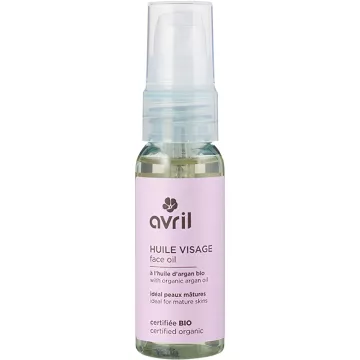
- Mature skin: richer creams, antioxidants, peptides, and gradually increasing concentrations of cosmetic retinol.
Avoid highly concentrated drying alcohols and strong fragrances on reactive skin. Test a new product on the inner elbow 24 to 48 hours before regular use, especially on atopic skin. In the event of a severe allergic reaction (facial swelling, difficulty breathing suggestive of angioedema), call 15 or 112.
What diet helps protect the skin from the inside out?
Diet contributes to the overall health of the skin:
- Antioxidants (vitamins C, E, A, polyphenols, carotenoids): citrus fruits, berries, green vegetables, nuts and seeds, orange-colored vegetables (carrots, squash, sweet potatoes), tomatoes.
- Omega-3 essential fatty acids: fatty fish, nuts, flaxseeds, canola oil; generally beneficial effect on systemic inflammation.
- Protein intake (precursors of collagen).
- Regular hydration (1.5 to 2 liters of water per day as needed, to be adjusted).
- Limit added sugars (WHO recommendation: less than 10% of total energy intake from free sugars).
- Limit ultra-processed foods and excessive alcohol consumption, and quit smoking.
Supplementation can be discussed with a doctor or dietitian if needed on an individual basis; it is not a substitute for a balanced diet.