What are skin pores?
Pores are the visible openings on the skin’s surface that correspond to two distinct structures: the ostia of the pilosebaceous follicles (which channel hair and sebum) and the pores of the sweat ducts (which release sweat). Contrary to popular belief, the skin does not “breathe” or “eliminate” toxins in the medical sense: the body’s detoxification is carried out by the liver and kidneys. Pores, however, play a role in thermoregulation (sweat) and skin protection (sebum, hydrolipid film).
How do pores work?
Each pilosebaceous pore is connected to a sebaceous gland that produces sebum, a lipid secretion that forms part of the skin’s surface hydrolipid film. Sebum helps maintain the skin’s suppleness and protects it from external aggressors. Excessive production (hyperseborrhea) influenced by hormones (androgens) can lead to clogged pores, the formation of comedones, and a worsening of acne-prone skin.
Why do some pores become visible?
The visibility of pores depends on several factors:
- Genetics: The basic size of pores is largely hereditary.
- Skin type: Oily and combination skin tend to have more visible pores than dry skin.
- Hyperseborrhea: Excess sebum visually distends the follicular ostium.
- Hyperkeratinization and the buildup of dead skin cells that clog the pore opening.
- Skin aging: The gradual loss of collagen and elastin causes the area around the pore to sag.
- Chronic unprotected sun exposure, which damages the dermal support fibers.
- Tobacco, which accelerates skin aging.
How can you reduce the appearance of pores?
Several skincare steps can minimize the visibility of pores:
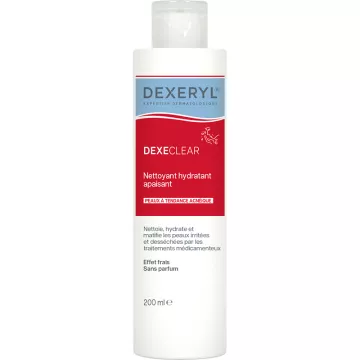
- Gentle cleansing morning and night with a syndet or a gel with a pH close to 5.5 to remove excess sebum without damaging the skin barrier.
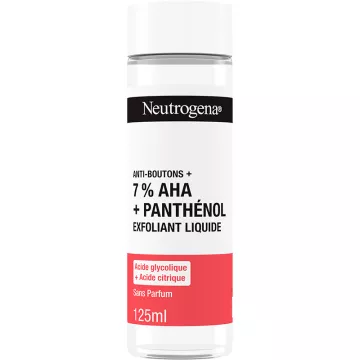
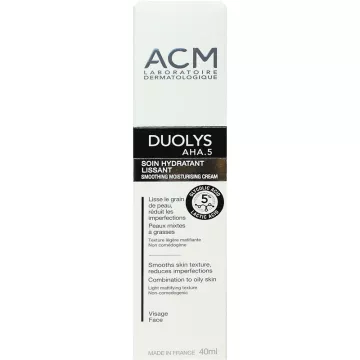
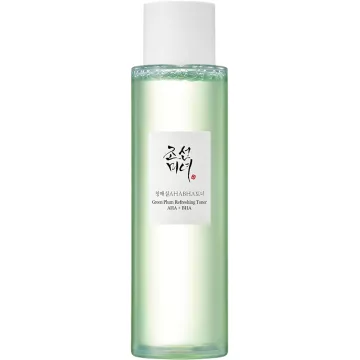
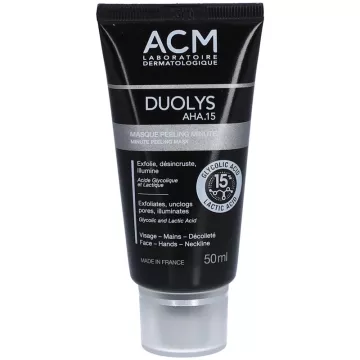
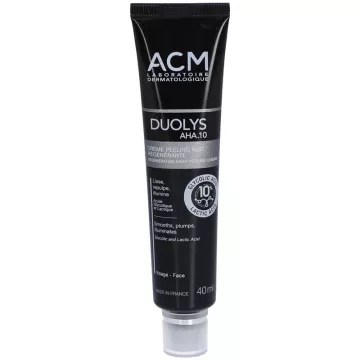
- Gradual chemical exfoliation withsalicylic acid (BHA, max 2% in cosmetics according to EC Regulation 1223/2009), which penetrates clogged pores, or with AHAs (glycolic acid). Both are photosensitizing: SPF 30 to 50 sun protection is essential.
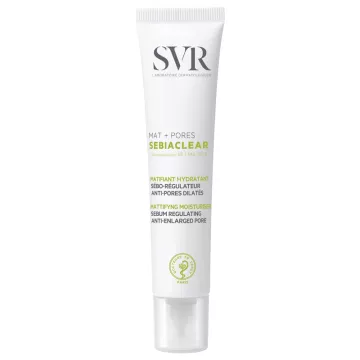
- Non-comedogenic moisturization: well-hydrated skin has a more even texture.
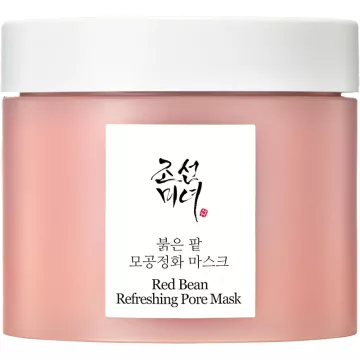
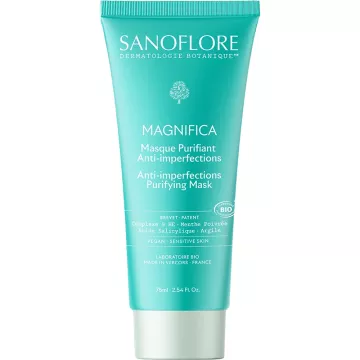
- Absorbent claymasks (green, white, pink) applied as needed; rinse off before they dry completely to avoid irritation.
- Professional treatments: superficial chemical peels at a medical-aesthetic clinic, microdermabrasion, non-ablative fractional lasers, microneedling—procedures that should be evaluated on a case-by-case basis with a dermatologist.
Are there any natural solutions for visible pores?
Several approaches are mentioned in consumer cosmetics, but should be used with caution:
- Clay masks, which are well-tolerated by most skin types.
- Aloe vera gel, which is moisturizing and soothing.
- Witch hazel hydrosol, gentle and soothing for combination skin (test for tolerance; some formulas contain alcohol).
- Highly diluted apple cider vinegar as a lotion: tolerance varies by skin type; avoid on damaged or very sensitive skin.
Avoid: undiluted lemon juice applied to the skin, as it can cause photosensitivity due to furocoumarins (risk of phytophotodermatitis with burns and pronounced pigmentation spots). Egg white masks are an internet trend with no proven effectiveness and may pose an allergy risk. Baking soda (alkaline pH ~9) can compromise the skin barrier with repeated use.
What are some myths about pores?
- “Pores open and close”: Pores do not have muscles that would cause them to actively open or close. Their appearance depends on their contents (sebum, dead skin cells), hydration, and the elasticity of the surrounding dermis. Cold water does not “tighten” pores permanently; it may provide a temporary feeling of firmness due to vasoconstriction.
- “Only oily skin has visible pores”: all skin types can have them, although they’re more noticeable on combination and oily skin.
- “The more you wash, the better”: on the contrary, aggressive and frequent cleansing can stimulate sebum production as a reaction (rebound effect) and damage the skin barrier.
- “Pore strips remove blackheads”: They remove some of the surface debris from the pores without permanently reducing pore size.
What factors influence pore size?
- Genetics: the predominant factor. The baseline pore size is largely predetermined.
- Skin type: Oily and combination skin tend to have more visible pores; dry skin tends to have less noticeable pores.
- Hyperseborrhea and hormonal changes (puberty, menstrual cycle, pregnancy, menopause, PCOS).
- Age: The loss of collagen and elastin in the dermis accentuates the appearance of pores.
- Chronic unprotectedsun exposure.
- Smoking, pollution, oxidative stress.
- Skincare routine: over-cleansing or using unsuitable products.
How does a daily skincare routine reduce the visibility of pores?
A tailored routine addresses several factors:
- Gentle cleansers with a pH close to 5.5 and free of harsh denatured alcohol.
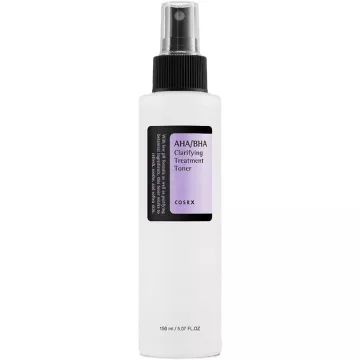
- Gentle keratolytic toners or serums containing 0.5% to 2% salicylic acid or low-dose glycolic acid (photosensitizing: SPF is essential).
- Serums containing 5–10% niacinamide: visibly regulate sebum production and reduce redness.
- Topical retinoids: Over-the-counter cosmetic retinol gradually increases cell turnover; prescription-only retinoids (adapalene, tretinoin, topical isotretinoin) are more potent, photosensitizing, and contraindicated during pregnancy for some.
- SPF 30 to 50 sunscreen every morning in a non-comedogenic fluid formula.
- Non-comedogenic moisturizers in gel or fluid form.
Can pore size really be reduced permanently?
The structural size of pores, which is largely genetic, cannot be permanently altered. However, their appearance can be significantly improved and stabilized through:
- Chemical peels (glycolic, salicylic, or mandelic acid) performed in a clinic at set intervals.
- Microneedling (dermaroller, dermapen) performed in a medical office, which stimulates collagen production around the pores. Strict aseptic precautions must be followed; at-home use is not recommended.
- Non-ablative or ablative fractional lasers, as indicated by a dermatologist.
- Topical retinoids (cosmetic retinol as part of a routine, medical retinoids by prescription) for long-term use.
- Microdermabrasion as a supervised mechanical exfoliation treatment.
Results depend on skin type, adherence to the treatment regimen, and associated sun protection. Maintenance care is necessary to preserve the benefits.
Why do pores become clogged, and how can this be prevented?
Blockage results from a mixture of sebum, dead skin cells, and impurities within the follicular ostium. To minimize this:
- Gently cleanse morning and night.
- Gentle chemical exfoliation 1 to 3 times a week, depending on tolerance.
- Always remove makeup before bed, including water-resistant SPF (double cleanse if necessary).
- Use cosmetics and foundations labeled “non-comedogenic.”
- Keep brushes, sponges, and pillowcases clean (change pillowcases 1 to 2 times a week).
- Do not squeeze or scratch blackheads (risk of scarring and post-inflammatory hyperpigmentation).
- Sun protection year-round.
What foods support healthy-looking pores?
A varied diet contributes to skin health:
- Antioxidants (berries, citrus fruits, leafy greens) to reduce oxidative stress.
- Omega-3s (fatty fish, nuts, flaxseeds) for their effect on systemic inflammation.
- Vitamins A (carotenoids), C, and E; vitamin D as needed.
- Zinc found in seafood, meats, and nuts.
- Stay hydrated throughout the day.
- Limit added sugars and ultra-processed foods with a high glycemic index, as several studies have suggested they may worsen acne (results may vary depending on individual profiles).
- Depending on the individual’s profile, monitor the potential effect of skim dairy products on acne flare-ups.
Empirical elimination is not recommended: consulting a doctor or dietitian allows for a personalized approach based on the clinical context.