A peel is a controlled chemical exfoliation that removes the superficial layers of the epidermis to stimulate cell renewal. The classification is based on the depth of action. A superficial peel (low-concentration AHAs, BHAs, and PHAs) does not penetrate beyond the granular layer of the epidermis—recommended for dull complexions, enlarged pores, and mild blemishes. A medium peel (trichloroacetic acid, TCA, 15–35%) reaches the papillary dermis—recommended for pigmentation spots and superficial wrinkles, and is reserved for dermatologists. A deep peel (phenol, TCA 35–50%) reaches the reticular dermis and requires anesthesia—exclusively medical procedures. In drugstores, only superficial peels are available. Dull skin and a lackluster complexion are the most common indications for at-home superficial peels.
Superficial peeling acids differ in their mechanism of action and skin tolerance:
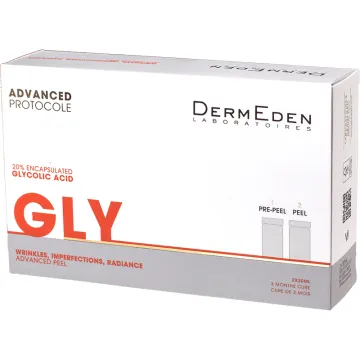
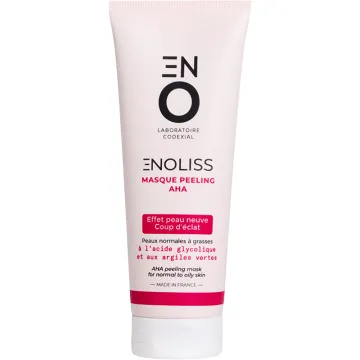
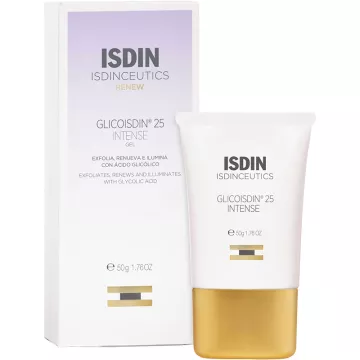
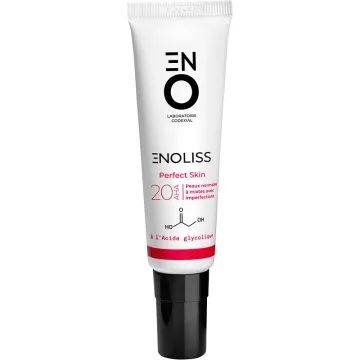
Gradually increasing AHA concentrations is the key to an effective and well-tolerated exfoliation routine. ISDIN Glicoisdin 8 Soft (8% glycolic acid) is the ideal starting point for beginners. Enoliss Perfect Skin 20 AHA Renewing Night Gel (20% AHA, overnight micro-exfoliation) is the intermediate step. ISDIN Glicoisdin 25 Intense (25%, concentrated gel) and Enoliss AHA Peeling Mask (occasional radiance boost) offer higher concentrations for skin that has become accustomed to the treatment. Dermeden GLY Advanced Peel (professional formula) is the most concentrated option available in drugstores. SPF 30+ is required the day after any application and throughout the entire treatment. Pore tightening is one of the most visible effects of regular AHA peels.
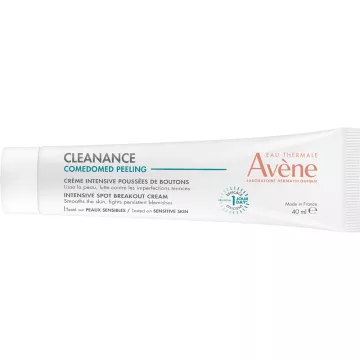
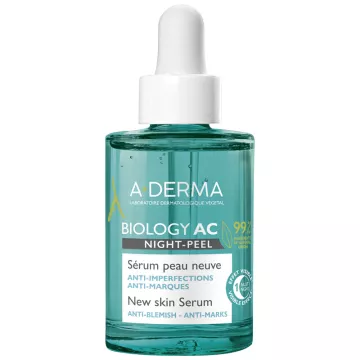
Salicylic acid (BHA) and glycolic acid peels at low concentrations are best suited for acne-prone skin. Avène Cleanance Comedomed Intensive Peeling Cream (salicylic + glycolic) is a dual-acid formula designed for oily, blemish-prone skin—it unclogs pores and reduces blackheads. Aderma Biology Ac Night-Peel Serum (AHA + BHA + 0.1% retinol in a gentle formulation) is formulated for sensitive, acne-prone skin. A dull complexion associated with acne is very common—combined BHA+AHA peels simultaneously improve radiance and reduce blemishes.
Rosacea and couperose are relative contraindications—AHAs can worsen redness; opt for PHAs or enzymatic peels (papain, bromelain) instead. Pregnancy: Salicylic acid (BHA) is contraindicated as a precaution—AHAs are generally safe at low concentrations, but medical advice is recommended. Fitzpatrick skin types V–VI have an increased risk of post-inflammatory hyperpigmentation—always start with the lowest concentrations and avoid peels in the summer. Daily SPF 30+ sunscreen is non-negotiable throughout the entire treatment. A non-comedogenic mineral concealer is best for covering temporary redness the day after an active peel.
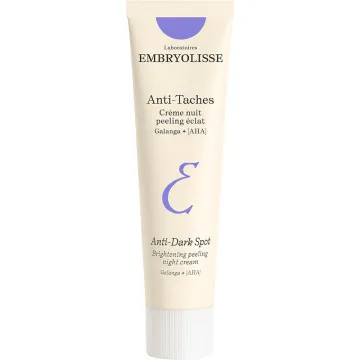
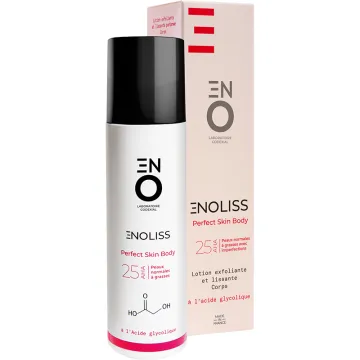
For pigmentation spots and a dull complexion, glycolic acid and lactic acid peels are the most recommended—their exfoliating action accelerates the removal of hyperpigmented cells and stimulates the synthesis of new, non-pigmented cells. Embryolisse Anti-Dark Spot Radiance Peeling Night Cream (AHA + brightening actives) and Enoliss AHA Peeling Mask for Renewed Skin and Radiance are formulas specifically designed to enhance radiance and even out skin tone. Enoliss Perfect Skin Body 25 AHA Lotion (100 ml) extends the exfoliation routine to the body—particularly useful for areas of hyperkeratosis (elbows, knees, décolleté) and dull skin on the body. The combination of AHA exfoliation and depigmenting active ingredients (niacinamide, vitamin C) provides the most comprehensive solution for dark spots and an uneven complexion—apply these products at least one hour apart to avoid interactions between the active ingredients.