The oak (genus Quercus, family Fagaceae) is a majestic tree native to the Northern Hemisphere. In herbal medicine, it is the bark (Quercus cortex) that is used, harvested from the young twigs of the pedunculate oak (Quercus robur) or the sessile oak (Quercus petraea). Its main characteristic is its high tannin content (10–20%), compounds responsible for its long-recognized astringent properties. These tannins tighten tissues and form a protective film on the mucous membranes and skin. Oak bark is primarily used externally (baths, compresses, mouthwashes) and, to a more limited extent, in traditional internal use.
The EMA (European Medicines Agency) recognizes oak bark for traditional use in several indications. For external use: symptomatic treatment of minor skin irritations and relief from itching and discomfort associated with hemorrhoids (in sitz baths). For local use in the oral cavity: mild inflammation of the mucous membranes of the mouth and throat. For internal use: symptomatic treatment of mild, nonspecific diarrhea for a short duration (maximum 3 to 4 days). This recognition is based on a long history of traditional use. Beyond these time frames or in the event of persistent symptoms, medical consultation is necessary.
For relief of irritated skin and localized itching, oak bark is used externally:
The astringent effect temporarily tightens the tissues. Protecting the skin barrier by moisturizing after baths prevents dryness.
For oral comfort, oak bark is traditionally used as a mouthwash made from a cooled and strained decoction. This preparation can help soothe sensitive gums or the oral mucosa in cases of mild inflammation. The decoction is prepared using one tablespoon of bark per 250 ml of water, brought to a simmer for about ten minutes, then cooled and strained before use as a gargle or mouthwash. This topical use is not a substitute for a dental consultation in cases of persistent pain, swelling, or confirmed infection. Do not swallow the preparation when using it as a mouthwash. If oral inflammation persists for more than a few days, professional advice is necessary.
A decoction is the traditional method of preparing oak bark. Place one tablespoon of dried bark (about 3 to 5 g) in a saucepan with 250 ml of cold water. Bring to a boil, then cover and simmer for 10 to 15 minutes. Strain thoroughly and let cool to lukewarm or room temperature, depending on the intended use. For baths and compresses, use the lukewarm decoction for external application. For mouthwashes, use the cooled decoction as a gargle without swallowing. The decoction can be stored in the refrigerator for up to 24 hours. For internal use (mild diarrhea), the decoction must be more diluted, and consultation with a healthcare professional is essential due to its high tannin content, which can cause digestive discomfort if the preparation is not properly dosed.
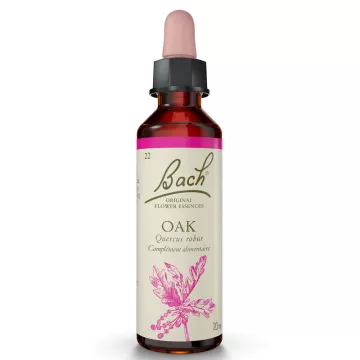
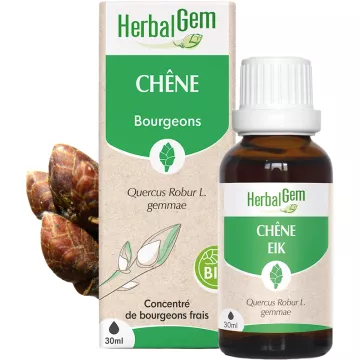
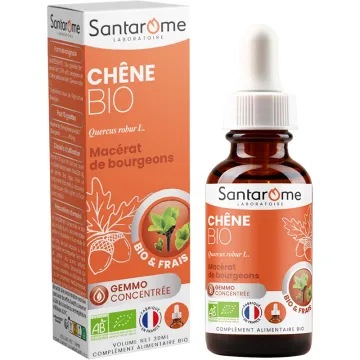
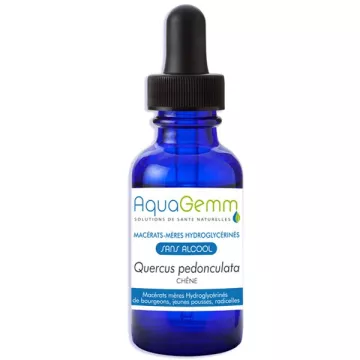
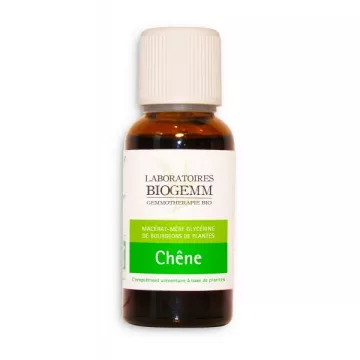
Oak bark is available in several forms.Dried, chopped bark for decoctions remains the traditional form, sold in herbal shops. Bark powder is used for poultices and certain preparations. Dry extracts in capsules standardized for tannins provide a precise dosage for supervised internal use. The mother tincture or hydroalcoholic extract offers a concentrated, adaptable form. The glycerin macerate of oak buds used in gemmotherapy highlights the plant’s embryonic extracts, offering a different approach from that of the bark. For topical use, certain cosmetic preparations incorporate oak bark extract for its astringent properties. Choose products whose origin and harvesting methods are clearly indicated, in a manner that respects forest biodiversity.
Several precautions are necessary due to the high tannin content. When taken internally, tannins can irritate the digestive tract lining if consumed in excess and may interfere with the absorption of certain minerals—particularly iron—with regular and prolonged use; space out meals and iron supplements. Internal use should be limited to occasional use (no more than 3 to 4 days) and should be supervised. Pregnant or breastfeeding women should avoid internal use of oak bark, as there is insufficient data on its safety. People undergoing medical treatment (particularly those taking iron supplements or oral medications) should space out their doses and seek professional advice. For external use, avoid baths that are too frequent or too concentrated, as they can dry out the skin. Do not apply to extensive areas of broken skin. A preliminary skin test is recommended for those with sensitive skin. If diarrhea persists for more than 3 days, or if there is blood in the stool or a fever, seek medical attention immediately.
Several criteria help identify a reliable product.The botanical species must be specified (Quercus robur or Quercus petraea, the standard medicinal barks). The Bio AB or Ecocert label guarantees the absence of pesticide residues and sustainable harvesting practices.The origin and harvesting method must be specified to ensure traceability and respect for forest biodiversity (harvested from young twigs without harming the tree). For standardized extracts, the tannin content must be listed to ensure reproducible results.The appearance of the dried bark must be uniform, free of mold, and without any suspicious odor. Packaging in airtight pouches or opaque bottles preserves quality by protecting the product from moisture. Avoid bark of unknown origin or harvested from potentially polluted areas.