What is muscular balance, and why are imbalances so common?
Muscular balance refers to the harmonious relationship between agonist and antagonist muscle groups—biceps/triceps, quadriceps/hamstrings, abdominals/back muscles. An imbalance creates mechanical compensations that lead to pain, restricted movement, and an increased risk of injury. Our sports wellness line offers active ingredients to support muscle recovery in this process.
- Repetitive unilateral movement: unbalanced sports training (too much chest work without corresponding back muscles), asymmetrical manual labor—overused muscles become tight and dominant
- Prolonged sedentary behavior: glutes inhibited by sitting, shortened psoas, weakened abs—a classic combination leading to lower back pain in office workers
- Unrehabilitated injuries: post-traumatic compensation—the body avoids the painful area by recruiting other muscles, creating new imbalances
- The most common muscular imbalance in clinical practice: weakness of the core stabilizer muscles (multifidus, transverse abdominis) with dominance of the superficial mobilizer muscles (erector spinae)
What is the link between muscle imbalance and postural pain?
Most chronic muscle tension has a postural origin and an underlying agonist/antagonist imbalance—rarely a structural pathology.
- Hunchback posture: tight pectorals + weak back muscles — chronic neck and shoulder blade tension — correct by stretching the pectorals + strengthening the rhomboids and lower trapezius
- Lower back pain: tight psoas + inhibited glutes + weak abdominals — pelvic anteversion imbalance — prioritize deep core strengthening and psoas stretching
- Painful knee without injury: often a quadriceps/hamstring imbalance or lack of hip stabilization — proprioceptive rehabilitation before any other intervention
- Recurrent shoulder pain: imbalance between the internal rotators (strong) and external rotators (weak) — specifically strengthen the rotator cuff stabilizer muscles
Which supplements support muscle balance and recovery?
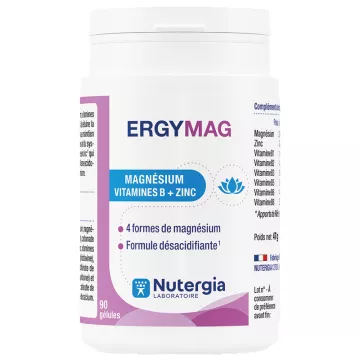
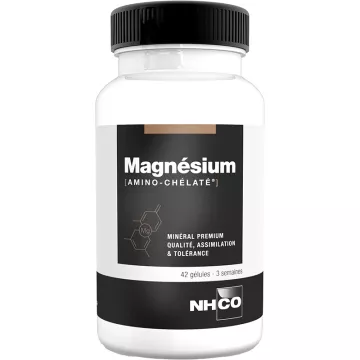
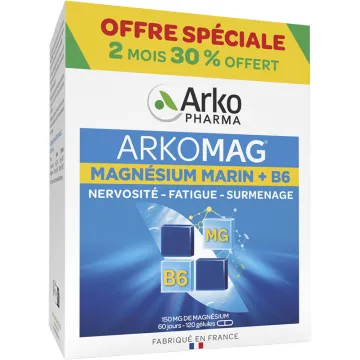
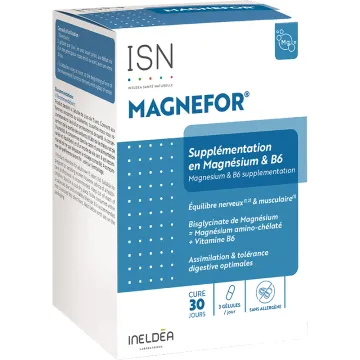
Targeted nutrition accelerates recovery in fatigued muscles and reduces inflammation in compensatory muscles. Find these active ingredients in our muscle comfort line.
- Magnesium: reduces muscle spasms in imbalanced muscles (often the shortened ones) and associated cramps — 300–400 mg/day
- Omega-3: reduces inflammation in overworked muscles and tendons subjected to compensatory strain
- Protein and BCAAs: support muscle synthesis when strengthening weak muscles—see our muscle-building line
- Vitamin D3: Deficiency is associated with overall muscle weakness that exacerbates imbalances—maintain levels at ≥ 30 ng/mL
- Hydrolyzed collagen + vitamin C: supports tendons and ligaments subjected to compensatory stress in areas of imbalance
Which specialists should you consult to assess and correct a muscle imbalance?
Muscle imbalance is a functional issue—supplements support recovery, but assessment and correction often require a movement specialist.
- Physical therapist: assessment of strength and flexibility by muscle segment—targeted strengthening and stretching protocols for shortened muscles—the go-to specialist for postural imbalances
- Osteopath: release of fascial tension and rebalancing of muscle chains—complementary to physical therapy for chronic pain of postural origin
- Certified fitness trainer/coach: design of balanced training programs that prevent asymmetrical overuse — essential for athletes as a preventive measure
- Sports physician or rheumatologist: if pain persists despite correction of imbalances—to rule out a structural condition (herniation, joint impingement)
- For post-rebalancing muscle soreness: normal within 24–72 hours as weak muscles are activated — if soreness persists for more than 1 week, this is a sign that requires evaluation