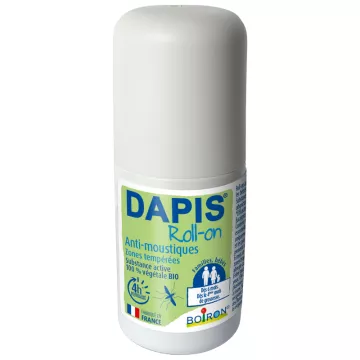
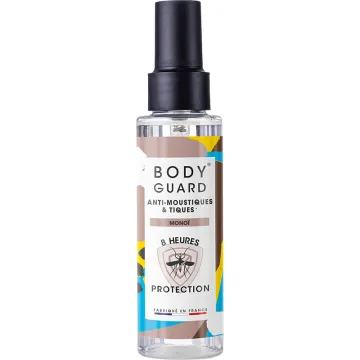
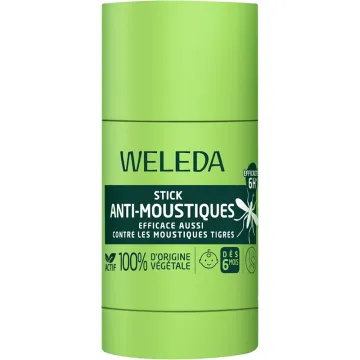
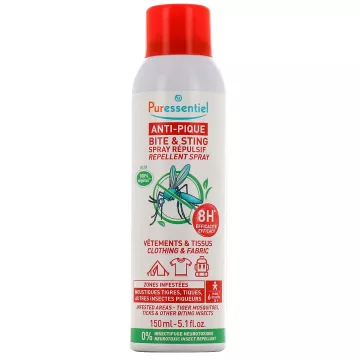
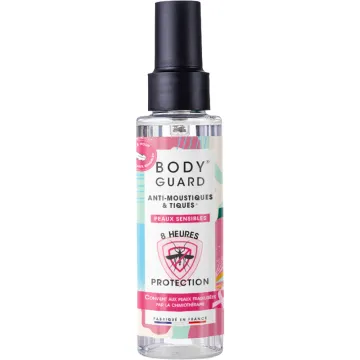
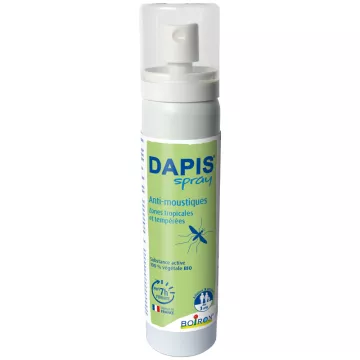
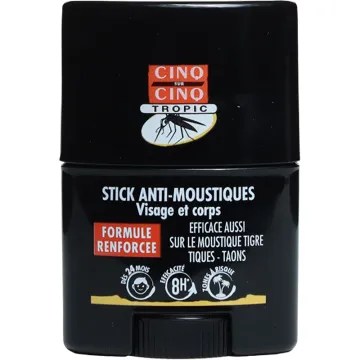
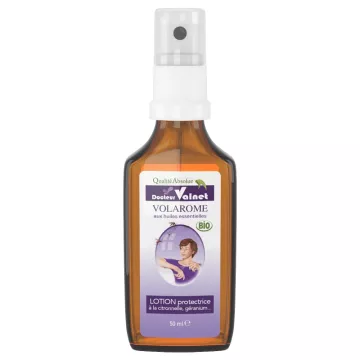
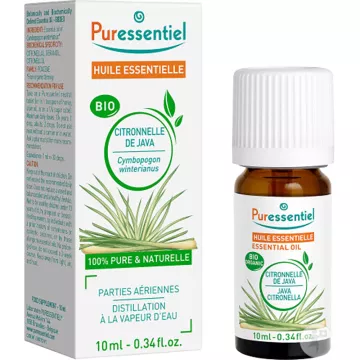
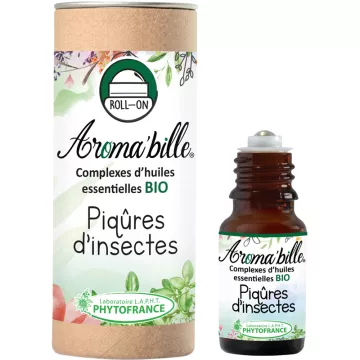
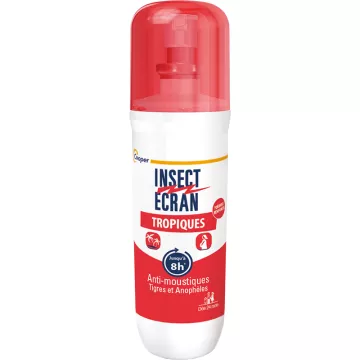
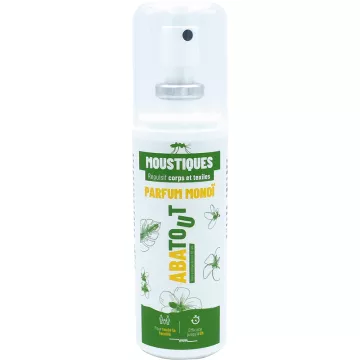
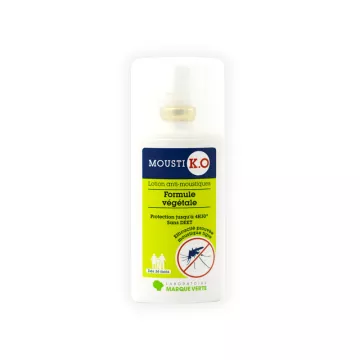
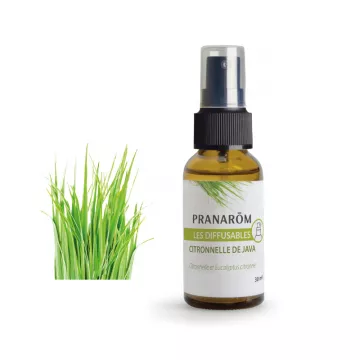
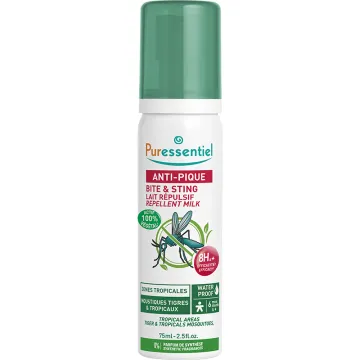
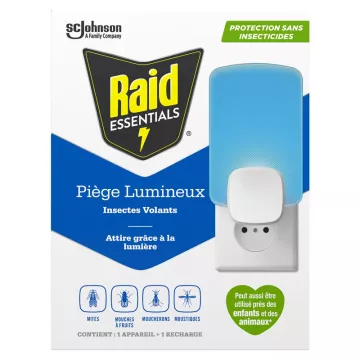
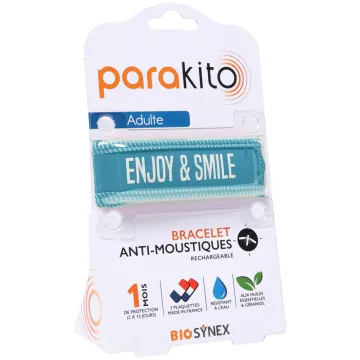
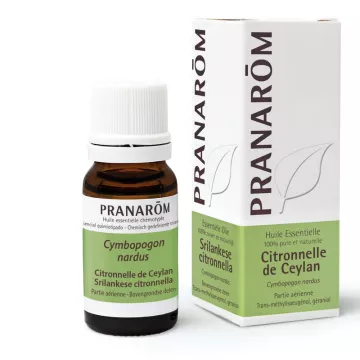
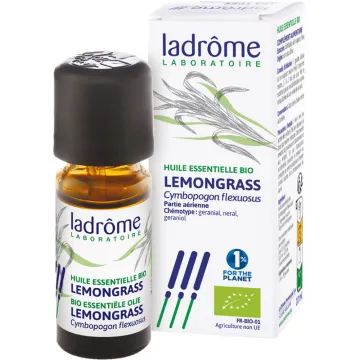
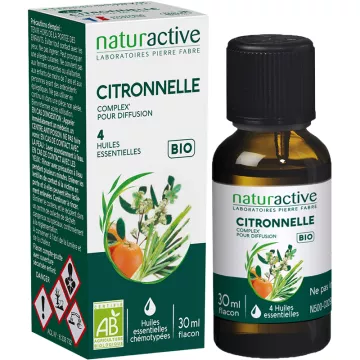
A mosquito repellent is a product applied to the skin or used in the environment that disrupts the mosquito’s sensory receptors to prevent it from detecting its target. Whether it’s approved chemical active ingredients or natural formulations, topical sprays or electric diffusers: using your repellent correctly is just as important as choosing the right one.
What is a mosquito repellent?
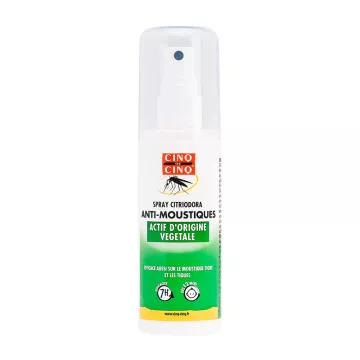
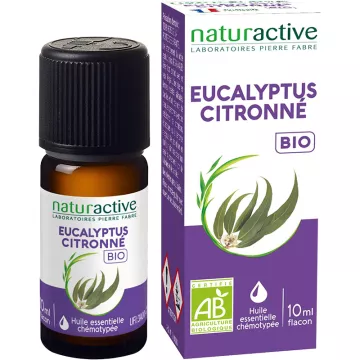
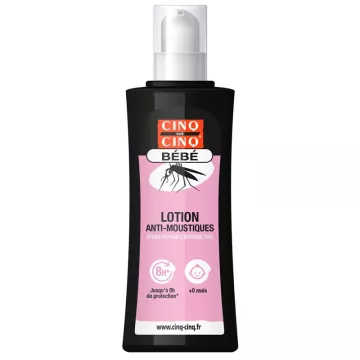
A mosquito repellent creates an olfactory and chemical barrier that confuses the insect’s sensors and prevents it from locating its prey. Unlike an insecticide, it does not kill the mosquito. The main active ingredients are DEET, icaridin, IR3535, and—on the natural side—lemon eucalyptus, which is the only one approved by the WHO. Check out our selection of mosquito repellents.
How do you apply a mosquito repellent?
The application technique determines the effectiveness and duration of protection.
- Apply evenly to all exposed areas of skin: ankles, arms, the back of the neck, and wrists
- On the face: apply the product to your hands first, then spread it on, avoiding the eyes and mouth
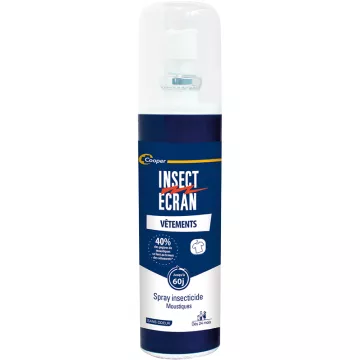
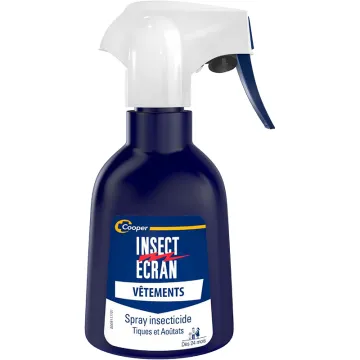
- Also apply to clothing if the manufacturer recommends it (especially for DEET—be careful with synthetic fabrics)
- Do not apply under clothing or on open wounds
- Do not let children handle the product on their own
Insect Repellent and Sunscreen: How to Use Them Together?
During prolonged outdoor exposure, combining SPF with insect repellent is common but often done incorrectly.
- Apply sunscreen first, let it absorb for 2 to 3 minutes, then apply the repellent on top
- Insect repellent should never be mixed with sunscreen in your hand before application
- DEET may slightly reduce the effective SPF—compensate by using a sunscreen with a higher SPF
- Reapply the repellent more frequently after swimming or sweating without waiting to reapply the sunscreen
What mosquito repellents are suitable for indoor use?
Indoor protection devices complement skin-applied repellents.
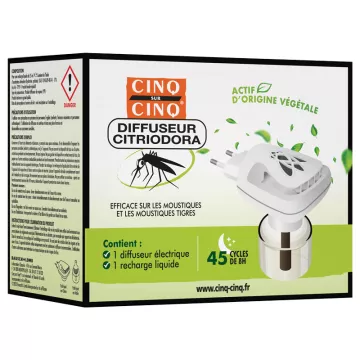
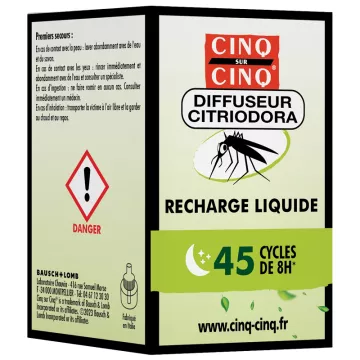
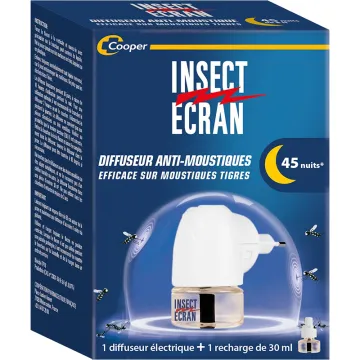
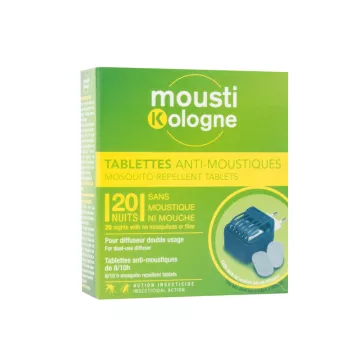
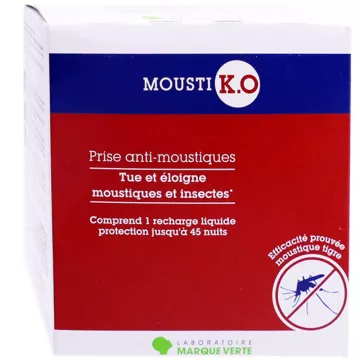
- Electric diffusers: replaceable pads or liquid refills; effective in closed rooms all night long
- Candles and coils with essential oils: for patios and semi-open spaces
- Impregnated mosquito nets: mechanical + chemical protection, recommended for infants and high-risk areas
- Fan: the airflow makes it difficult for mosquitoes to fly, effective as a supplement
Duration of protection: When should you reapply your repellent?
The duration of protection varies depending onthe active ingredient and concentration.
- DEET 30%: up to 6 to 8 hours; reapply after swimming or heavy sweating
- Icaridin 20%: effective for 4 to 6 hours; very resistant to sweating
- Lemon eucalyptus 30%: 2 to 3 hours; reapply more frequently
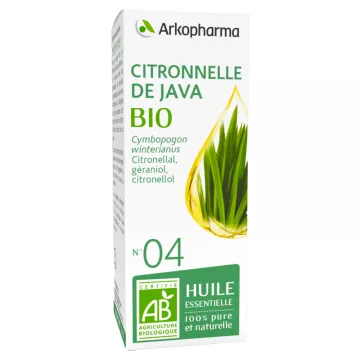
- Natural repellents (citronella): 1 to 2 hours—use in combination with additional measures (enhanced protection in high-risk areas)
- Peak mosquito activity: dusk and dawn — plan your protection accordingly
Reaction to the repellent: what to do?
Redness, itching, swelling: these signs require immediate action.
- Immediately wash the area with soap and water
- Apply a soothing gel if irritation is mild
- See a doctor if symptoms persist or worsen
- For future use: choose a repellent containing icaridin or IR3535, which are better tolerated by sensitive skin
- Check the expiration date: an expired repellent can cause irritation and loses its effectiveness