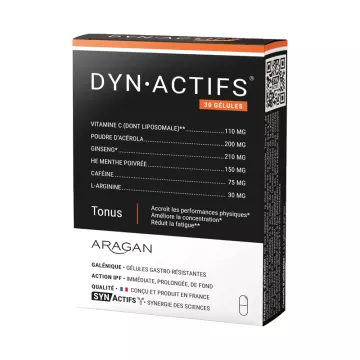
Morning fatigue —feeling exhausted upon waking, difficulty “getting going,” and a heavy body despite a full night’s sleep—is a distinct symptom from exercise-induced fatigue. Several mechanisms can explain it:
Identifying which of these mechanisms predominates directly determines the choice of natural active ingredients.
The cortisol awakening response (CAR) is the mechanism that prepares the body for activity within 30 to 45 minutes of waking up. People suffering from chronic morning fatigue often have a blunted CAR. Vitamin B5 (a cofactor of coenzyme A in the synthesis of adrenal corticosteroids) directly supports morning cortisol production. Vitamin B3 (niacinamide, a precursor to NAD+) is essential for the mitochondrial respiratory chain in the adrenal glands and neurons. Phosphatidylserine (200–400 mg in the morning) modulates the morning cortisol response—particularly in cases of morning fatigue accompanied by anxiety and evening hyperarousal.
Melatonin levels should drop rapidly upon exposure to morning light. In “evening chronotypes” (biological late risers), this drop is slower, and residual melatonin perpetuates morning drowsiness. Exposure to bright light (2,500–10,000 lux) within the first 30 minutes after waking is the most effective way to accelerate this decline. High-quality deep sleep, with complete 90-minute cycles, remains the best prevention—sleep debt can only be repaid through sleep, never through supplementation alone.
Iron-deficiencyanemia causes morning fatigue by reducing oxygen-carrying capacity upon waking. But even without overt anemia, low ferritin levels (< 30 µg/L) reduce the synthesis of muscle myoglobin and intracellular iron stores in dopaminergic neurons—leading to difficulty getting out of bed and morning cognitive sluggishness. Bioavailable iron bisglycinate (Granions Fer Énergie et Vitalité) and energy shots combining iron, B vitamins, and ginseng (ORTIS Energy Express Bio) are two options for addressing this iron-deficiency component of morning fatigue.
Hypothyroidism is a frequently overlooked cause of chronic morning fatigue. The thyroid gland secretes T4, which is converted into active T3—the hormone that regulates cellular metabolic rate. In cases of hypothyroidism, the slowed metabolism results in intense morning fatigue, sensitivity to cold, cognitive sluggishness, and constipation. This fatigue does not respond well to supplements alone and requires a TSH test followed, if confirmed, by medical replacement therapy. Selenium (a cofactor for deiodinases that facilitate the T4→T3 conversion) can support thyroid conversion as a complement to medical care in cases of mild thyroiditis.
Five simple, evidence-based morning routines reduce fatigue upon waking, regardless of the underlying cause. Exposure to natural light or a light therapy lamp (at least 2,500 lux) within the first few minutes of waking eliminates residual melatonin and synchronizes the circadian clock. A glass of water (300–500 ml) immediately after waking up compensates for nighttime dehydration (insensible perspiration), which contributes to that morning feeling of heaviness. Light physical activity (5–10 minutes of walking or stretching) boosts blood circulation and stimulates morning cortisol secretion. A protein-rich breakfast (eggs, Greek yogurt, cottage cheese) stabilizes morning blood sugar levels and prevents mid-morning reactive hypoglycemia. Lehning L72 (homeopathic sleep remedy, taken at night) improves the quality of deep sleep—an essential prerequisite for waking up feeling energized.